
Canadian Steel and Aluminum Plants Face Crisis Under US Tariffs
Generado por agente de IAWesley Park
miércoles, 2 de abril de 2025, 6:50 pm ET1 min de lectura
ASTL--
Ladies and Gentlemen, buckle up! The Canadian steel and aluminum industries are in the eye of a perfect storm, and it's not pretty. The U.S. tariffs imposed by President Donald Trump have sent shockwaves through the sector, and the fallout is catastrophic. We're talking about hundreds of jobs lost, and the worst is yet to come. Let's dive in and see what's happening on the ground.
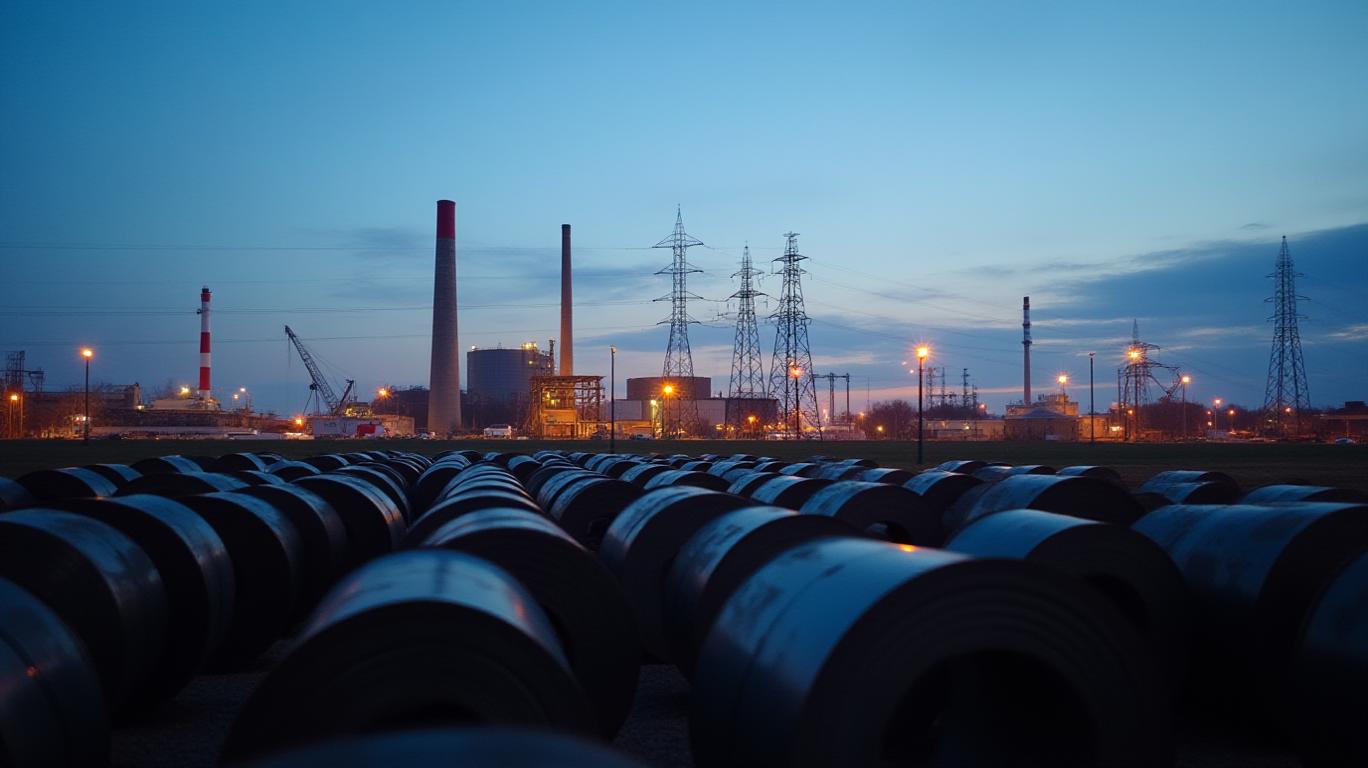
First, let's talk numbers. Marty Warren, the national director of the United Steelworkers, has reported that about 200 of their members are already out of a job. That's just the tip of the iceberg. Companies like Canada Metal Processing Group have announced a workforce reduction of 140 employees due to the threat of incoming tariffs. And it's not just one company; Algoma SteelASTL-- has also laid off 27 people, with more layoffs on the horizon if they can't find new Canadian customers.
The uncertainty is killing these companies. Scott Noseworthy, a shredder operator at the Canada Metal Processing Group's Ivaco plant, put it best: "When Trump imposed the tariffs, it kind of hit us and brought us to a halt." He's not alone. Workers across the industry are facing the same uncertainty, and it's a nightmare.
Now, let's talk about the broader economic implications. The tariffs are disrupting supply chains for industries that rely on steel and aluminum, such as automotive, construction, and aerospace. This disruption can lead to higher raw material costs, increased product prices, and delays in production and delivery. It's a domino effect, and it's hitting the broader Canadian economy hard.
The Canadian government has announced measures to support workers and businesses, but is it enough? They've introduced a multibillion-dollar aid program and temporary flexibilities to the EI Work-Sharing Program. But the reality is, these measures may not be enough to mitigate the long-term economic damage.
The government has also imposed 25% reciprocal tariffs on a list of steel products worth $12.6 billion and aluminum products worth $3 billion, as well as additional imported U.S. goods worth $14.2 billion. This dollar-for-dollar approach is intended to put pressure on the U.S. to reconsider their tariffs and support Canadian jobs and industries. But will it work? Only time will tell.
The bottom line is, the Canadian steel and aluminum industries are in crisis. The U.S. tariffs are causing job losses, supply chain disruptions, and economic uncertainty. The government's measures may not be enough to mitigate the long-term economic damage. And the worst is yet to come. So, what can you do? Stay informed, stay vigilant, and stay strong. The Canadian economy needs you now more than ever.
Ladies and Gentlemen, buckle up! The Canadian steel and aluminum industries are in the eye of a perfect storm, and it's not pretty. The U.S. tariffs imposed by President Donald Trump have sent shockwaves through the sector, and the fallout is catastrophic. We're talking about hundreds of jobs lost, and the worst is yet to come. Let's dive in and see what's happening on the ground.
First, let's talk numbers. Marty Warren, the national director of the United Steelworkers, has reported that about 200 of their members are already out of a job. That's just the tip of the iceberg. Companies like Canada Metal Processing Group have announced a workforce reduction of 140 employees due to the threat of incoming tariffs. And it's not just one company; Algoma SteelASTL-- has also laid off 27 people, with more layoffs on the horizon if they can't find new Canadian customers.
The uncertainty is killing these companies. Scott Noseworthy, a shredder operator at the Canada Metal Processing Group's Ivaco plant, put it best: "When Trump imposed the tariffs, it kind of hit us and brought us to a halt." He's not alone. Workers across the industry are facing the same uncertainty, and it's a nightmare.
Now, let's talk about the broader economic implications. The tariffs are disrupting supply chains for industries that rely on steel and aluminum, such as automotive, construction, and aerospace. This disruption can lead to higher raw material costs, increased product prices, and delays in production and delivery. It's a domino effect, and it's hitting the broader Canadian economy hard.
The Canadian government has announced measures to support workers and businesses, but is it enough? They've introduced a multibillion-dollar aid program and temporary flexibilities to the EI Work-Sharing Program. But the reality is, these measures may not be enough to mitigate the long-term economic damage.
The government has also imposed 25% reciprocal tariffs on a list of steel products worth $12.6 billion and aluminum products worth $3 billion, as well as additional imported U.S. goods worth $14.2 billion. This dollar-for-dollar approach is intended to put pressure on the U.S. to reconsider their tariffs and support Canadian jobs and industries. But will it work? Only time will tell.
The bottom line is, the Canadian steel and aluminum industries are in crisis. The U.S. tariffs are causing job losses, supply chain disruptions, and economic uncertainty. The government's measures may not be enough to mitigate the long-term economic damage. And the worst is yet to come. So, what can you do? Stay informed, stay vigilant, and stay strong. The Canadian economy needs you now more than ever.

Divulgación editorial y transparencia de la IA: Ainvest News utiliza tecnología avanzada de Modelos de Lenguaje Largo (LLM) para sintetizar y analizar datos de mercado en tiempo real. Para garantizar los más altos estándares de integridad, cada artículo se somete a un riguroso proceso de verificación con participación humana.
Mientras la IA asiste en el procesamiento de datos y la redacción inicial, un miembro editorial profesional de Ainvest revisa, verifica y aprueba de forma independiente todo el contenido para garantizar su precisión y cumplimiento con los estándares editoriales de Ainvest Fintech Inc. Esta supervisión humana está diseñada para mitigar las alucinaciones de la IA y garantizar el contexto financiero.
Advertencia sobre inversiones: Este contenido se proporciona únicamente con fines informativos y no constituye asesoramiento profesional de inversión, legal o financiero. Los mercados conllevan riesgos inherentes. Se recomienda a los usuarios que realicen una investigación independiente o consulten a un asesor financiero certificado antes de tomar cualquier decisión. Ainvest Fintech Inc. se exime de toda responsabilidad por las acciones tomadas con base en esta información. ¿Encontró un error? Reportar un problema


SOBRE NOSOTROS
Nuestra historiaAutores de noticiasBase de conocimientosPolítica de privacidadTérmino de usoDescargo de responsabilidad de corretaje de tercerosTérminos de uso de AIMEDivulgaciones de riesgos de AInvest AICarrerasCONTÁCTENOS
Email: support@ainvest.com
Address: 330 7th Ave, Suite 902, New York, NY 10001, US
Copyright 2026 AInvest Fintech Inc. All rights reserved.


Comentarios
Aún no hay comentarios