
Why Canadian Rental REITs Outperform Condo Developments in 2025
The Canadian housing market is at a crossroads. For years, investors have chased condo developments, banking on the myth of a never-ending housing shortage. But a seismic shift is underway—one that BMOBMO-- Capital Markets has laid bare in its groundbreaking analysis. The housing shortage narrative, it argues, is a post-pandemic fabrication. The real story? A structural oversupply in rental markets and the collapse of condo valuations. For investors, this means one thing: rental REITs are the only game in town. Here’s why—and why you should act now.
The Housing Shortage Myth: Busted
BMO’s analysis upends conventional wisdom. Far from a decades-long underbuilding crisis, Canada’s housing shortage is a temporary blip, amplified by pandemic-era distortions. The key metric? The “people per home” ratio. To return to 2016 levels—a pre-pandemic benchmark—Canada needs just 600,000 additional units, not the “millions” politicians tout. This oversold narrative has fueled reckless stimulus spending, channeling taxpayer dollars into condo towers that now sit idle.
The data is damning:
- Condo values have plummeted. In Toronto, prices for pre-construction condos have dropped 25% since 2021, per the Toronto Real Estate Board.
- Rental vacancies are soaring. The Greater Toronto Area’s rental vacancy rate hit 3.2% in 2024, exceeding pre-pandemic levels, even as rents rise artificially due to flawed data (more on this later).

Why Condos Are Now a Risky Bet
The condo boom was built on two pillars: low interest rates and the belief in perpetual demand. Both are crumbling.
- Overbuilding in the wrong places:
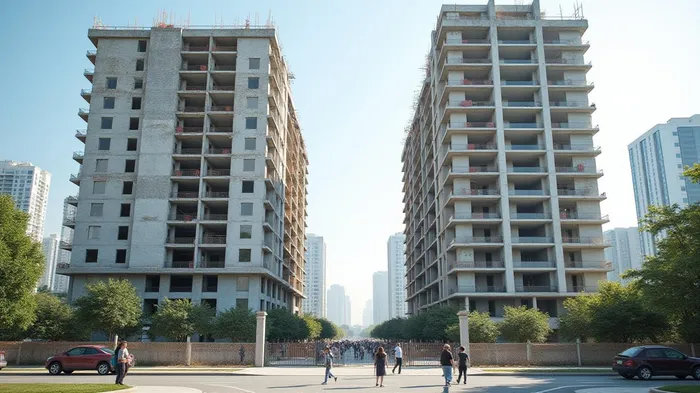
- Stimulus-fueled condo projects often targeted urban cores, ignoring suburban demand for single-family homes. The result? A glut of underoccupied high-rises.
Misallocated capital: Taxpayer-backed subsidies inflated construction costs, making projects economically unviable. BMO estimates that 30% of new condos built post-2020 will struggle to turn profits due to rising material and labor expenses.
Rental data deception:
- StatsCan’s shift to reporting “asking rents” (not actual rents paid) has inflated affordability metrics, masking oversupply. This creates a false sense of scarcity, pushing investors into condos that lack real demand.
The Rental REIT Play: Stability in Chaos
While condos falter, rental REITs thrive on structural tailwinds:
- Affordability constraints: With mortgage rates near 7%, homeownership is out of reach for many. Rentals fill the gap, especially in transit-accessible suburbs.
- Institutional demand: Pension funds and sovereign wealth funds are snapping up rental assets, driving valuations higher.
- Data-driven resilience: Unlike condos, rental REITs benefit from long-term leases and steady cash flows.
The numbers back this shift:
- RioCan REIT (REI.UN) reported a 93% occupancy rate in stabilized properties in 2024, with rent growth outpacing inflation.
- Boardwalk REIT (BEI.UN) saw its stock rise 18% in 2024, while condo developers like Dream Global (DSH) fell 32%.
Why Act Now? The Clock is Ticking
The window to pivot is narrowing. Here’s why urgency matters:
1. Regulatory risks: Canada’s government is under pressure to address housing affordability. Rent control and stricter zoning could hit condo developers harder than REITs.
2. Interest rate drag: As the Bank of Canada holds rates high, construction costs remain elevated, making new condo projects riskier.
3. The oversupply reckoning: Markets like Vancouver and Toronto are already seeing condo vacancies spike, signaling a coming correction.
Conclusion: Exit Condos, Embrace REITs
The era of condo speculation is over. BMO’s analysis has exposed the truth: Canada’s housing crisis is not about shortages—it’s about misallocation of capital and flawed policy. Investors who cling to condos risk being stranded in a market drowning in overbuilt units and sinking values.
The smart money is moving to institutional rental REITs, which offer stability, predictable returns, and a hedge against Canada’s shifting housing landscape. Don’t be left holding the bag. Act now—before the rental boom leaves you behind.





Comentarios
Aún no hay comentarios