
The Canadian Energy Transition Paradox: High Belief, Low Action, and the Path Forward
Canadians overwhelmingly recognize the environmental and financial promise of the energy transition, yet most are not capitalizing on the opportunity. According to Mackenzie Investments’ Sixth Annual Earth Day Study, 67% of Canadians believe investing in low-carbon and renewable energy solutions will create a better future, while 56% see these investments as financially rewarding. Yet only 14% are actively participating. This disconnect—between belief and action—paints a stark picture of untapped potential.
The study reveals a systemic challenge: a knowledge gapGAP--, regulatory uncertainty, and skepticism about greenwashing are stifling growth. To unlock the $4.5 trillion annual global opportunity in energy transition investments, stakeholders must address these barriers head-on.
The Belief-Action Divide
Canadians are not indifferent to the energy transition. Nearly two-thirds (67%) believe it will improve future generations’ quality of life, and over half (56%) see financial upside. However, the data also shows a staggering mismatch between conviction and investment behavior:
- Only 10% of respondents say they are very likely to invest in energy transition opportunities within the next three years.
- A mere 6% know how to begin investing in this space.
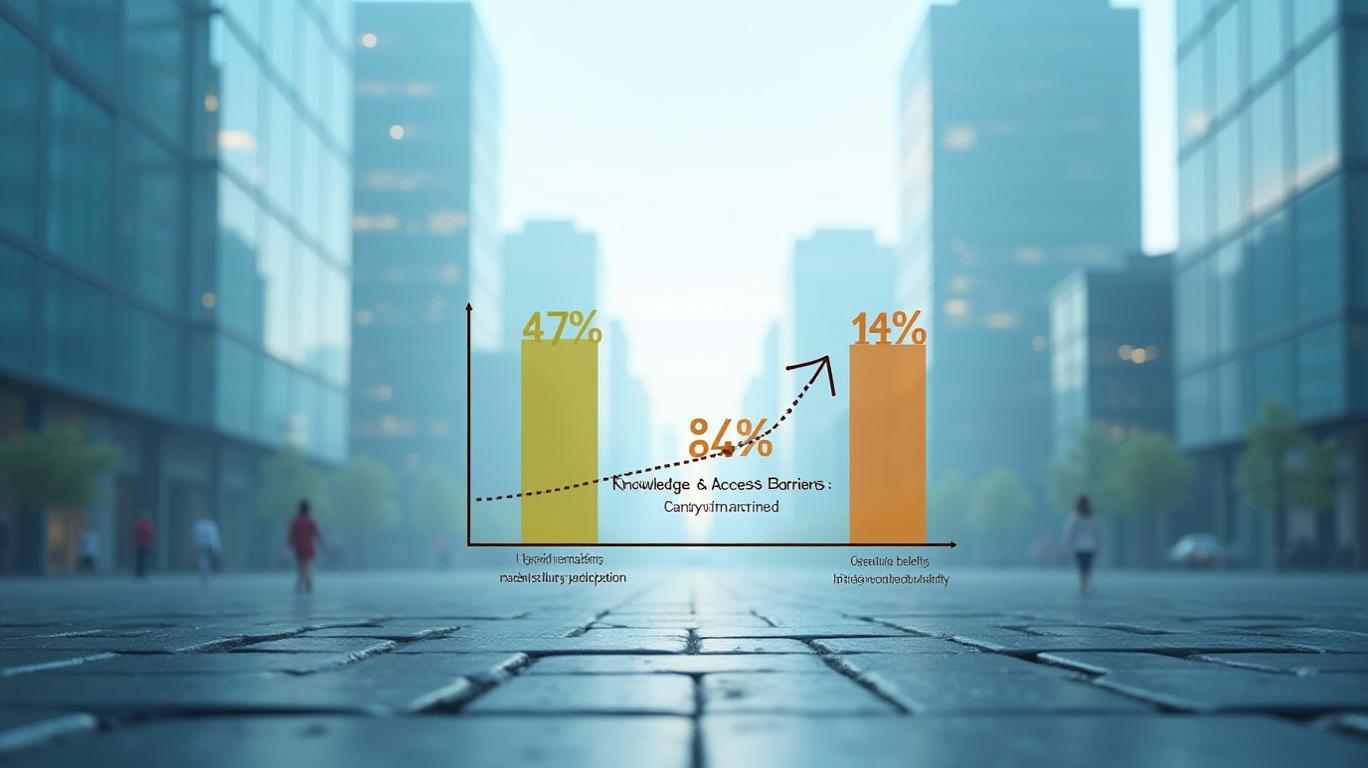
This gap is particularly alarming given the scale of the opportunity. The International Energy Agency estimates that achieving global net-zero targets requires $4.5 trillion in annual investments—a figure only 6% of respondents recognize.
Barriers to Entry: Awareness, Greenwashing, and Trust
Three key issues are holding Canadians back:
- Lack of Awareness: Only 6% understand how to access energy transition investments. This reflects a broader educational void in financial literacy around sustainability-focused portfolios.
- Greenwashing Concerns: 34% of respondents call greenwashing—a practice where companies overstate environmental commitments—a “major concern,” while 62% acknowledge it as at least a moderate issue.
- Regulatory Ambiguity: 41% distrust sustainable investing (SI) due to a lack of clear guidelines. Without standardized metrics, investors struggle to distinguish legitimate opportunities from hollow marketing.
Fate Saghir, SVP of Sustainability at Mackenzie, underscores the urgency: “Regulatory disclosure standards are needed to combat greenwashing and rebuild trust. Advisors must step in to guide investors through this complexity.”
The Role of Financial Advisors
The study positions financial advisors as critical to bridging the awareness gap. By demystifying energy transition investments, advisors can:
- Identify sectors like renewable energy infrastructure, battery technology, and carbon capture.
- Align investments with both environmental goals and financial returns.
- Integrate these assets into well-diversified portfolios to mitigate risk.
Mackenzie’s own energy transition funds, which emphasize transparency and measurable ESG outcomes, exemplify this approach. Their focus on projects with clear climate impact—such as wind farms or grid modernization—aims to build investor confidence.
The Economic Imperative
The financial case for energy transition investing is compelling. Renewable energy costs have plummeted—solar power, for instance, is now cheaper than fossil fuels in most regions. Meanwhile, legacy energy companies are pivoting: oil majors like ExxonMobil and Chevron are allocating billions to hydrogen and carbon sequestration.
Yet Canadian individual investors remain sidelined. This inertia could prove costly. As Saghir notes, “The energy transition isn’t just about saving the planet—it’s about preparing portfolios for the next economic paradigm.”
Conclusion: Closing the Gap Requires Collective Action
The Mackenzie study underscores a clear paradox: Canadians see the energy transition as vital but lack the tools to engage. To resolve this, three steps are critical:
1. Education: Financial institutions must demystify energy transition investments through accessible resources and advisor training.
2. Regulation: Governments must establish transparent ESG reporting standards to combat greenwashing.
3. Innovation: Firms like Mackenzie need to expand low-barrier entry points, such as low-cost ETFs or themed mutual funds.
The stakes are high. With $4.5 trillion in annual investment needed globally, Canada’s $14% participation rate is a missed opportunity—not just for the planet, but for investors. As the energy transition accelerates, those who act now may secure both a greener future and a stronger portfolio.
The path forward is clear. The question is: Will Canadians seize it?
Data Note: Mackenzie’s study surveyed 1,500 Canadian adults (March 20–26, 2025), with a ±2.5% margin of error.







Comentarios
Aún no hay comentarios