
Canada Wildfires Deteriorate U.S. Air Quality: Iowa, Michigan, and Minnesota Affected
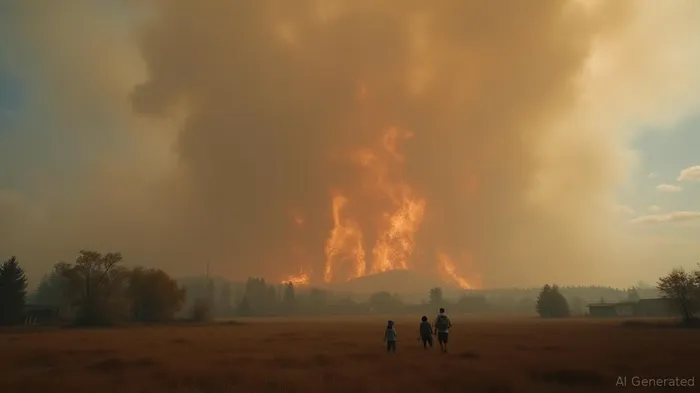
As massive wildfires continue to rage across Canada, their impact is being felt far beyond the borders of the country. Canada currently battles 608 active wildfires, including over 430 that remain uncontrollable, largely located in provinces such as Alberta, Saskatchewan, Manitoba, and northwestern Ontario. The smoke emitted from these fires has traveled extensively, compromising air quality across several U.S. regions, prompting air quality alerts and advisories.
In Iowa, the air quality alert issued by the Iowa Department of Natural Resources and expected to last until midnight Friday, August 1, underscores the adverse conditions. Areas such as Clinton, Davenport, Des Moines, and Iowa City have recorded unhealthy air quality levels, as measured by the Air Quality Index. Certain regions, like Clinton, reported an index level as high as 180 PM, indicating a significant decline in air quality throughout the day. Even less-affected areas, like Emmetsburg and Lake Sugema, are deemed unhealthy for sensitive groups.
Sensitive populations, including seniors, children, and individuals with respiratory conditions, face elevated risks under these conditions. Health advisories recommend reducing outdoor activity during periods when air quality levels remain precarious. Overall, air quality is projected to improve gradually, with forecasts suggesting clarity could return by August 3.
The state of Michigan is similarly experiencing degraded air conditions from Canadian wildfires. Air quality advisories have extended into Saturday, August 2, for all counties. Various cities, such as Detroit, Lansing, Grand Rapids, Kalamazoo, Benton Harbor, and Traverse City, have reported measurements within the "Unhealthy" range of the Air Quality Index, necessitating caution and protective measures among residents. The persistent northeast winds have been integral in transporting smoke into Michigan, with environmental conditions like high atmospheric pressure maintaining its presence close to the ground.
In Minnesota, the situation is comparable, with an ongoing air quality alert extending through Saturday. Minneapolis notably ranked third globally for the poorest air quality on Thursday, as logged by IQAir. The Minnesota Pollution Control Agency has identified this alert as one of the longest recorded, paralleling the 2021 Greenwood fire alerts. Forecast analysis predicts that smoke may begin clearing by Saturday afternoon, as shifts in broader weather patterns emerge.
Southeast Wisconsin also faces one of the world's worst air quality conditions due to the wildfire smoke, with alerts set to expire by noon on Friday. Improvement is anticipated by the weekend, but caution persists for those engaging in outdoor activities.
In conclusion, the widespread effects of Canadian wildfires have underscored the transboundary environmental challenges these natural disasters pose. Communities across affected states are urged to adhere to air quality advisories, mitigate outdoor exposure, and protect vulnerable populations as analysts anticipate evolving conditions in the coming days.







Comentarios
Aún no hay comentarios