
Canada's Retail Sales in 2025: Navigating Economic Headwinds and Cyclical Opportunities
Economic Headwinds and Structural Risks
The Canadian economy faces a trifecta of risks: a weak labor market, trade deficits, and stagnant real estate prices. CIBC's Senior Portfolio Manager, , notes that these factors increase the likelihood of a Canadian recession, . The trade imbalance with the U.S., exacerbated by tariffs, has shifted Canada from a net exporter to a net importer, creating a sustained drag on GDP growth. Meanwhile, the Bank of Canada's potential rate cuts, while supportive of consumer borrowing, risk inflating asset bubbles in sectors like housing, which remain stagnant.
Sector Resilience and Consumer Behavior
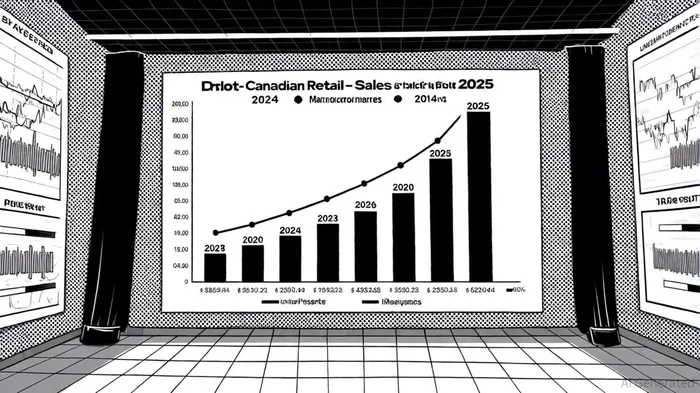
Despite these headwinds, retail sales have defied expectations. In the first half of 2025, Canadian retailers reported year-over-year sales gains, . This resilience is partly attributed to the "Buy Canadian" movement, which has redirected consumer spending toward domestic brands, and strong back-to-school demand. However, the (CSCE) reveals lingering caution, with consumers citing high prices, housing costs, and economic uncertainty as barriers to discretionary spending, as noted in an S&P Global analysis.
Investment Opportunities in Consumer Discretionary
CIBC's 2025 forecast identifies opportunities in interest-rate-sensitive segments of the consumer discretionary sector, such as auto and home improvement. Lower borrowing costs, potentially spurred by Federal Reserve rate cuts, could reignite demand for big-ticket items. For instance, companies like Lowe's and Aptiv are positioned to benefit from long-term trends like aging housing stock and the electric vehicle (EV) transition. In Canada, The Motley Fool Canada highlights three stocks for 2025:
- Canadian Tire (TSX:CTC.A), leveraging both physical and e-commerce channels.
- Aritzia (TSX:ATZ).
- Loblaw Companies (TSX:L).
Risks and Strategic Cautions
The sector's vulnerability to macroeconomic shifts cannot be overstated. Tariffs have already triggered 30 credit rating downgrades in the consumer discretionary sector in Q2 2025, . Companies like General Motors and Best Buy have cut financial guidance due to tariff-related uncertainties. For Canadian investors, CIBC recommends a defensive approach, emphasizing liquidity and quality screens to mitigate risks from trade policy volatility and inflation. Additionally, locking in medium-term bond yields before the easing cycle gains traction is advised, as higher government bond yields present capital appreciation opportunities.
Strategic Recommendations for Investors
- Sector Diversification: Prioritize interest-rate-sensitive industries (e.g., auto, home improvement) while hedging against trade risks.
- Defensive Positioning: Allocate to high-quality, dividend-paying equities like CIBC itself, .
- Bond Yields: Consider medium-term government bonds to capitalize on potential rate cuts.
Conclusion
Canada's retail sector in 2025 is a study in contrasts: resilient consumer spending coexists with structural economic risks. While CIBC's forecast underscores the need for caution, strategic investments in rate-sensitive discretionary sectors and defensive equities offer pathways to navigate uncertainty. As the Bank of Canada contemplates rate cuts and trade tensions persist, investors must balance optimism with prudence to capitalize on emerging opportunities.







Comentarios
Aún no hay comentarios