
Canada's Q1 Growth Sparks Sectoral Divide: Where to Invest Amid Tariff Turbulence
Canada's economy delivered a modest but resilient 0.4% GDP growth in Q1 2025, defying recession fears and revealing stark contrasts between sectors. While energy, financialsFISI--, and utilities surged ahead, manufacturing and real estate faltered under the weight of U.S. tariff uncertainties and cooling domestic demand. For investors, this report underscores a critical fork in the road: prioritize tariff-resistant sectors now or brace for near-term volatility. Here's how to navigate the divide.
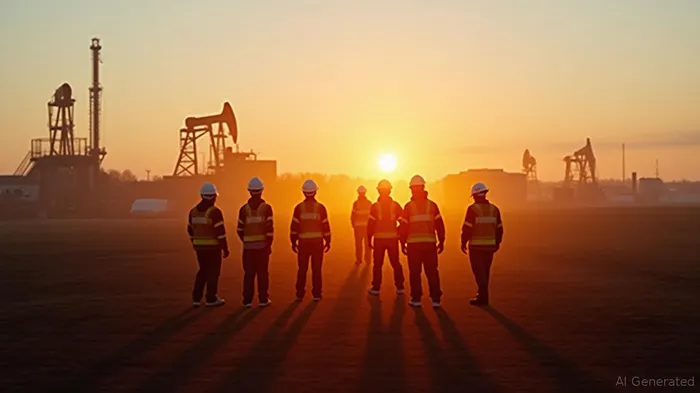
The Resilience of Energy and Financials: A Foundation for Growth
The goods-producing sector led the charge, growing 0.8%—its strongest performance since early 2022. Energy and utilities were the unsung heroes:
- Oil/gas and mining expanded 1.4%, driven by a 2.3% jump in oil sands extraction and robust support services. The sector's surge reflects both global energy demand and businesses stockpiling ahead of U.S. tariffs on Canadian crude.
- Utilities rose 3.4% as hydroelectric output and winter heating needs spiked.
Meanwhile, financial services grew 0.7%, benefiting from steady demand for mortgages and corporate lending. The sector's stability, bolstered by a 0.4% rise in GDP per capita (due to slower population growth), positions Canada's banks as reliable cash generators.
The Tariff Boom and Export Surge: A Double-Edged Sword
Exports surged 1.6% in Q1 as businesses front-loaded orders to beat looming U.S. tariffs. Industrial machinery and vehicles were stars:
- Passenger vehicle exports jumped 16.7%, while industrial machinery rose 12%, reflecting a frantic rush to secure tariff-free shipments.
- However, this “now-or-never” strategy may backfire. Imports also rose 1.1%, suggesting pent-up demand, but Q2 risks loom: stalled trade negotiations, delayed investment, and potential inventory overhang could drag GDP down.
Domestic Weakness and Sectoral Risks: Caution Ahead
Not all sectors are thriving. Real estate declined 0.4%, with home resale activity plummeting 13.9%—a warning of overvalued housing markets. Manufacturing also stumbled, with chemical and machinery production falling despite a rebound in transportation equipment.
Household spending grew just 0.3%, highlighting tepid domestic demand. With the Bank of Canada holding rates at 2.75%—despite core inflation stubbornly above 3%—investors must weigh the cost of capital against sector-specific risks.
The Bank of Canada's Rate Decision: A Catalyst for Strategy
The central bank's decision to stand pat at 2.75% signals confidence in Q1's resilience but also a wait-and-see approach to tariffs and inflation. This creates a sweet spot for strategic investors:
- Buy energy and financials now: These sectors are insulated from trade wars and benefit from rate stability.
- Avoid manufacturing and real estate: Their exposure to tariffs and domestic softness makes them vulnerable to a Q2 slowdown.
Final Take: Position for Resilience, Not Momentum
Canada's Q1 growth isn't a green light for exuberance—it's a red flag for sectoral divergence. Investors should double down on energy and financials while hedging against tariff-driven volatility. With the Bank of Canada's hands tied by inflation, this is no time to chase broad market exposure. The next move hinges on U.S.-Canada trade talks—positioning now could mean the difference between outperforming and being blindsided.
Act decisively: Tariff-resistant sectors are the anchors in a choppy economy. The rest? Proceed with caution.





Comentarios
Aún no hay comentarios