
Canada's Dual Trade Strategy: Protecting Domestic Truck Body Makers While Supporting Strategic Steel Imports
Anti-Dumping Measures: A Shield for Truck Body Manufacturers
The Canada Border Services Agency (CBSA) has launched a high-stakes investigation into alleged dumping and subsidizing of truck bodies from China, following a complaint from Morgan Canada Corporation and Morgan Transit Corporation, the country's leading producers of such vehicles, according to a CBSA news release. These companies argue that Chinese imports, priced below fair market value, have caused material injury to domestic operations, eroding sales, production, and employment. The CBSA's preliminary decision, , , could trigger duties that would bolster local manufacturers.
This move underscores a broader trend of protectionism in response to U.S. tariffs under President , which have already forced automakers like Stellantis to shift production south of the border, as noted in a Global News report. By targeting Chinese imports specifically, Canada aims to insulate its truck body industry while maintaining access to U.S. markets-a delicate negotiation that could shape investment flows in the sector.
Strategic Steel Import Policies: Balancing Supply and Protection
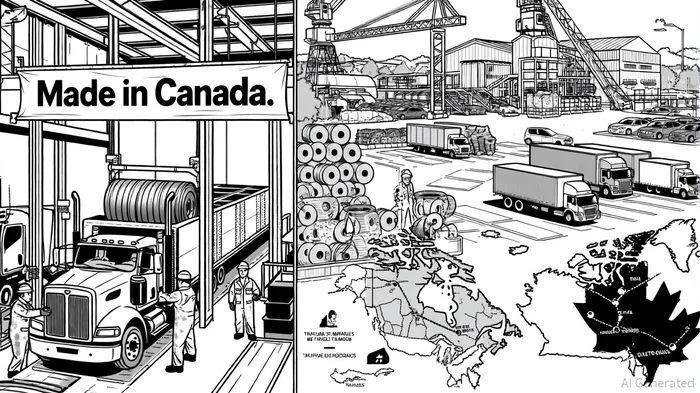
While defending domestic truck makers, Canada has simultaneously introduced nuanced steel import policies to stabilize supply chains. , , , , according to an Automotive World report. Additionally, , aiming to curb circumvention of trade rules. These measures are complemented by tariff exemptions for critical U.S. and Chinese steel products used in public health, agriculture, and national security sectors, as detailed in a SteelOrbis article.
The policy reflects a pragmatic approach: protecting domestic steel producers from overcapacity while ensuring industries like truck body manufacturing-reliant on imported steel inputs-remain viable. Finance Minister has emphasized that these policies support "downstream industries and Canadian workers," though critics argue they create asymmetry in U.S.-Canada trade relations, according to a BDO Canada analysis.
Strategic Innovation Fund: Fueling Long-Term Resilience
To further bolster the steel sector, , targeting modernization, product diversification, and defense-related applications, in a Department of Finance release. These funds prioritize projects that enhance competitiveness, such as developing new steel products for green energy or defense contracts. For example, , supported by additional investments from Boeing, as described in a Government of Canada news release.
The SIF/SRF also emphasizes supply chain resilience, , as Automotive World reported. This focus on transparency aligns with global efforts to counter Chinese market distortions and could benefit firms investing in traceability technologies.
Investment Opportunities: Sectors and Stocks to Watch
The dual trade strategy creates clear winners. Truck body manufacturers like Morgan Canada stand to gain if anti-dumping duties are imposed, as reduced Chinese competition could stabilize pricing and margins. Meanwhile, steel producers benefiting from TRQs and SIF/SRF funding-such as those developing high-strength alloys for defense or renewable energy-offer long-term growth potential.
Investors should also monitor companies in strategic sectors like defense, where steel is a critical input. For instance, firms involved in armored vehicle production or infrastructure projects may see increased demand as Canada prioritizes domestic content. Additionally, logistics providers facilitating steel imports under tariff exemptions could benefit from sustained supply chain activity.
Conclusion: A Pragmatic Path Forward
Canada's dual trade strategy-protecting truck body manufacturers while strategically managing steel imports-demonstrates a nuanced response to global trade tensions. By combining anti-dumping actions with targeted exemptions and innovation funding, the government aims to preserve industrial capacity while fostering resilience. For investors, the key takeaway is to align portfolios with sectors directly supported by these policies, particularly steel, defense, and advanced manufacturing. As the CBSA and CITT finalize their decisions in late 2025, the next phase of Canada's trade strategy will likely shape the trajectory of its industrial base for years to come.







Comentarios
Aún no hay comentarios