
Can China's Zero-Tariff Market Access Boost African Economic Fortunes?
Generado por agente de IAEli Grant
lunes, 9 de diciembre de 2024, 4:59 am ET1 min de lectura
ILPT--
China's recent announcement of zero-tariff market access for 33 African countries has sparked optimism about the potential boost to African economic fortunes. This policy, effective December 1, 2024, aims to lower costs for African exports, enhance competitiveness, and strengthen economic ties between Africa and China. As African countries emerge from economic challenges brought about by the COVID-19 pandemic, Russia's war in Ukraine, and the climate crisis, this policy presents an opportunity for growth and diversification.
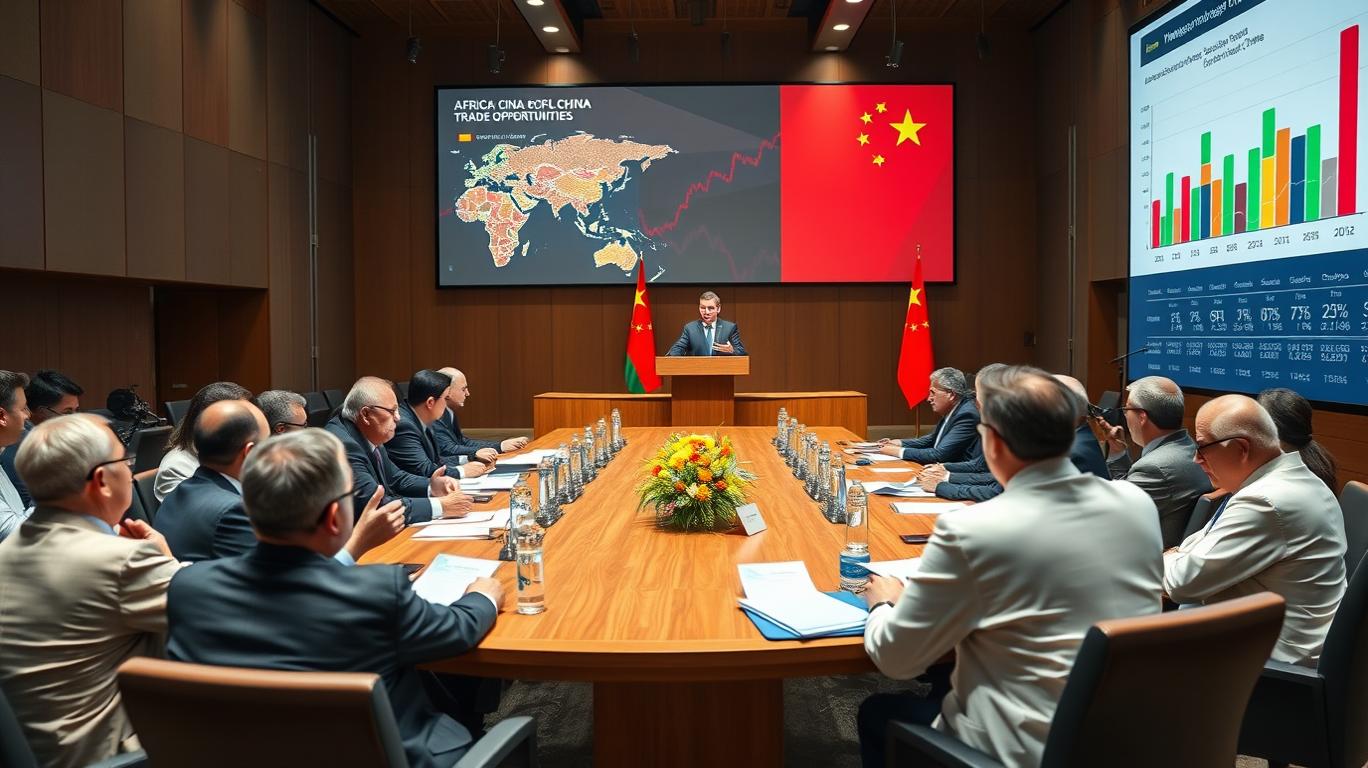
China has been Africa's largest trading partner for 15 consecutive years, with bilateral trade reaching a record high of $282.1 billion in 2023. The zero-tariff policy is expected to further stimulate African exports, potentially narrowing the trade deficit. In 2023, African countries' top trading country partners shifted from predominantly the United Kingdom and the United States to China, indicating the growing importance of the China-Africa trade relationship.
The zero-tariff policy could significantly boost African economic fortunes by diversifying exports and promoting non-resource sectors. Currently, African exports to China are heavily reliant on primary commodities, with petroleum crude oil, refined copper, and iron ore accounting for over 60% of total exports. However, China's new policy could encourage African countries to expand into manufacturing and other sectors, helping them move up the global value chain and create new job opportunities.
China's support for cross-border e-commerce platforms opens new sales channels for African agricultural products, with a 7.2% increase in imports in the first seven months of 2024. This policy, building on previous commitments, aims to drive industrial cooperation and enhance trade. However, Africa's underdeveloped e-commerce landscape presents challenges. As Africa's urbanization accelerates, growing consumer demand, improved logistics, and increasing e-commerce acceptance can boost cross-border trade.
To leverage the zero-tariff policy effectively, African countries should focus on diversifying their exports, investing in infrastructure, and promoting regional integration. Additionally, African governments should engage in strategic partnerships with Chinese investors, ensuring that FDI aligns with their industrial development goals and promotes sustainable growth.
In conclusion, China's zero-tariff market access for African countries presents a significant opportunity for African economies to attract more foreign direct investment, foster industrial development, and boost economic growth. By diversifying exports, enhancing product quality, and improving infrastructure, African nations can maximize the long-term benefits of this policy and create a more balanced trade relationship with China.
China's recent announcement of zero-tariff market access for 33 African countries has sparked optimism about the potential boost to African economic fortunes. This policy, effective December 1, 2024, aims to lower costs for African exports, enhance competitiveness, and strengthen economic ties between Africa and China. As African countries emerge from economic challenges brought about by the COVID-19 pandemic, Russia's war in Ukraine, and the climate crisis, this policy presents an opportunity for growth and diversification.
China has been Africa's largest trading partner for 15 consecutive years, with bilateral trade reaching a record high of $282.1 billion in 2023. The zero-tariff policy is expected to further stimulate African exports, potentially narrowing the trade deficit. In 2023, African countries' top trading country partners shifted from predominantly the United Kingdom and the United States to China, indicating the growing importance of the China-Africa trade relationship.
The zero-tariff policy could significantly boost African economic fortunes by diversifying exports and promoting non-resource sectors. Currently, African exports to China are heavily reliant on primary commodities, with petroleum crude oil, refined copper, and iron ore accounting for over 60% of total exports. However, China's new policy could encourage African countries to expand into manufacturing and other sectors, helping them move up the global value chain and create new job opportunities.
China's support for cross-border e-commerce platforms opens new sales channels for African agricultural products, with a 7.2% increase in imports in the first seven months of 2024. This policy, building on previous commitments, aims to drive industrial cooperation and enhance trade. However, Africa's underdeveloped e-commerce landscape presents challenges. As Africa's urbanization accelerates, growing consumer demand, improved logistics, and increasing e-commerce acceptance can boost cross-border trade.
To leverage the zero-tariff policy effectively, African countries should focus on diversifying their exports, investing in infrastructure, and promoting regional integration. Additionally, African governments should engage in strategic partnerships with Chinese investors, ensuring that FDI aligns with their industrial development goals and promotes sustainable growth.
In conclusion, China's zero-tariff market access for African countries presents a significant opportunity for African economies to attract more foreign direct investment, foster industrial development, and boost economic growth. By diversifying exports, enhancing product quality, and improving infrastructure, African nations can maximize the long-term benefits of this policy and create a more balanced trade relationship with China.

Divulgación editorial y transparencia de la IA: Ainvest News utiliza tecnología avanzada de Modelos de Lenguaje Largo (LLM) para sintetizar y analizar datos de mercado en tiempo real. Para garantizar los más altos estándares de integridad, cada artículo se somete a un riguroso proceso de verificación con participación humana.
Mientras la IA asiste en el procesamiento de datos y la redacción inicial, un miembro editorial profesional de Ainvest revisa, verifica y aprueba de forma independiente todo el contenido para garantizar su precisión y cumplimiento con los estándares editoriales de Ainvest Fintech Inc. Esta supervisión humana está diseñada para mitigar las alucinaciones de la IA y garantizar el contexto financiero.
Advertencia sobre inversiones: Este contenido se proporciona únicamente con fines informativos y no constituye asesoramiento profesional de inversión, legal o financiero. Los mercados conllevan riesgos inherentes. Se recomienda a los usuarios que realicen una investigación independiente o consulten a un asesor financiero certificado antes de tomar cualquier decisión. Ainvest Fintech Inc. se exime de toda responsabilidad por las acciones tomadas con base en esta información. ¿Encontró un error? Reportar un problema


SOBRE NOSOTROS
Nuestra historiaAutores de noticiasBase de conocimientosPolítica de privacidadTérmino de usoDescargo de responsabilidad de corretaje de tercerosTérminos de uso de AIMEDivulgaciones de riesgos de AInvest AICarrerasCONTÁCTENOS
Email: support@ainvest.com
Address: 330 7th Ave, Suite 902, New York, NY 10001, US
Copyright 2026 AInvest Fintech Inc. All rights reserved.


Comentarios
Aún no hay comentarios