
Camden Property Trust: Strategic Resilience in the Post-Pandemic Multifamily Housing Sector
The post-pandemic multifamily housing sector has emerged as a cornerstone of long-term capital appreciation, driven by structural shifts in population dynamics, remote work flexibility, and urban-to-suburban migration. Among industry leaders, Camden Property TrustCPT-- (CPT) has distinguished itself through a dual focus on capitalizing on long-term housing demand and operational resilience, positioning the company to navigate macroeconomic volatility while delivering consistent returns to stakeholders.
Sunbelt Dominance: A Strategic Anchor
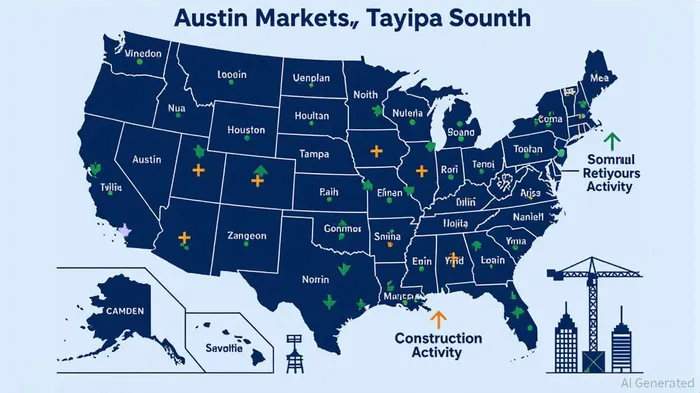
Camden's portfolio is heavily weighted toward Sunbelt markets—Austin, Houston, Tampa, and Nashville—regions characterized by robust job growth, population influxes, and affordability for renters[1]. As of Q2 2025, the company reported 95.6% occupancy and record-high resident satisfaction scores[2], underscoring the demand stickiness in these markets. This strategic alignment with Sunbelt dynamics is not accidental but a calculated response to demographic trends. According to a report by Market Report Analytics, new construction starts in core Sunbelt cities have fallen to a 13-year low, creating a supply-demand imbalance that favors existing operators like CPT[1].
The company's recent acquisitions, such as Camden Clearwater in Tampa and Camden Woodmill Creek in Houston, further illustrate its commitment to high-growth corridors[2]. These markets are also less susceptible to economic downturns due to their diversified industries, including technology, healthcare, and energy.
Operational Efficiency: Driving Unlevered Returns
Camden's operational resilience is evident in its ability to reposition older assets and optimize costs. The company has achieved 8% to 10% unlevered returns through renovations of aging properties, a strategy that enhances value without significant debt burden[2]. This approach aligns with broader industry trends, as operators increasingly prioritize asset quality over sheer volume.
Financial discipline has also been a hallmark of CPT's 2025 performance. Lower bad debt, reduced interest expenses, and property tax refunds contributed to $1.70 per share in Core FFO for Q2, exceeding market expectations[2]. The introduction of a $600 million commercial paper program further diversifies its financing options and secures access to lower interest rates[1], a critical advantage in a high-rate environment.
Navigating Macroeconomic Uncertainty
While the Federal Reserve's tightening cycle and potential recession risks loom, Camden's cautious approach to same-store guidance and market diversification mitigates downside risks[1]. The company's 2026 rent growth forecast of 4% and higher projections for 2027 reflect confidence in the durability of demand, even as specific markets like Austin and Nashville face short-term challenges[2].
A key differentiator is CPT's ability to balance short-term prudence with long-term vision. By maintaining high occupancy rates and leveraging Sunbelt affordability, the company is insulated from the volatility that plagues more saturated urban markets.
Conclusion: A Model for Sustainable Growth
Camden Property Trust's strategic positioning in the post-pandemic multifamily sector exemplifies how REITs can thrive by aligning with structural demand drivers and operational excellence. Its focus on Sunbelt markets, asset repositioning, and financial agility creates a compounding effect that benefits both shareholders and residents. As housing demand remains resilient and supply constraints persist, CPT's disciplined approach positions it as a leader in an industry poised for sustained growth.





Comentarios
Aún no hay comentarios