
This Calm Isn’t Exactly Reassuring After a Wild Ride in Markets
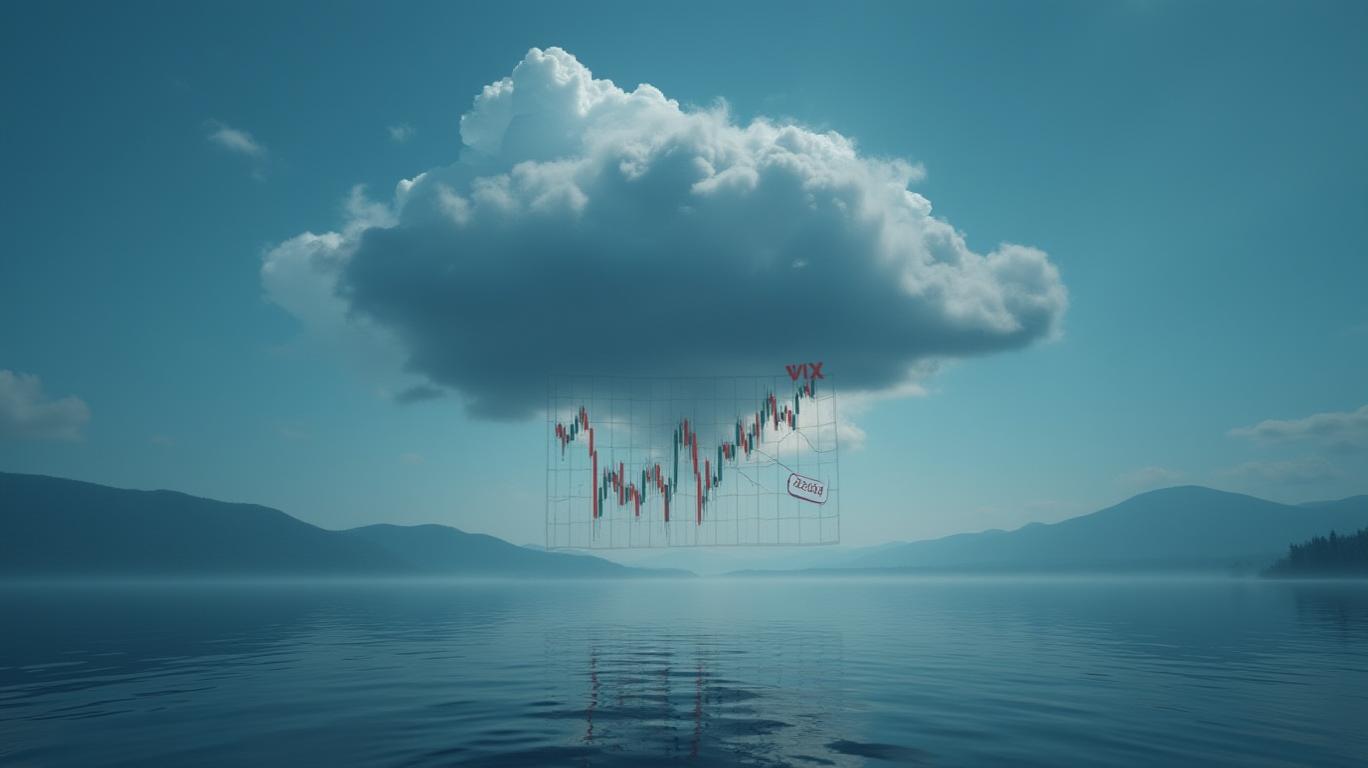
The financial markets of late 2024 and early 2025 have oscillated between vertigo-inducing turbulence and an uneasy stillness, much like a storm front lingering over a lake—calm on the surface but churning beneath. Investors who once chased momentum-driven rallies now find themselves in a limbo where hope for Fed rate cuts clashes with fears of a trade-war-fueled recession. The recent dip in volatility, while welcome, masks deeper vulnerabilities.
The Volatility Surge: Tariffs as the Catalyst
The market’s “wild ride” reached its crescendo in April 2025, when President Trump’s tariff announcements sent the CBOE Volatility Index (VIX) soaring to 24. . The sell-off in equities was sharp, but Treasury yields paradoxically fell as investors sought safety, creating a fleeting illusion of stability. The pain was uneven: tech stocks, buoyed by AI hype, held up better than industrials and commodities-sensitive sectors. Yet the broader damage was clear.
The 10-year / 3-month Treasury yield curve inverted, a historically reliable recession signal, while the Atlanta Fed’s GDPNow model painted a grim Q1 2025 picture: a projected -2.8% contraction. This inversion, combined with softening labor market data—rising “continuing” unemployment claims and a declining quits rate—hinted at a slowdown even as unemployment stayed below 5%.
The Fed’s Tightrope Walk
Central banks found themselves in a bind. The Federal Reserve, tasked with balancing inflation still above 2% and a cooling economy, hesitated. In March 2025, it held rates steady but signaled a potential June cut. By April, markets priced in four rate cuts by year-end, betting the Fed would prioritize growth over inflation risks. Yet this optimism overlooks the Fed’s dual mandate dilemma: easing too soon could reignite price pressures, especially if tariffs keep goods inflation elevated.
Meanwhile, global policy divergences deepened. While the U.S. grappled with near-4% rates, the euro area’s rates dipped below 2%, and emerging markets faced currency volatility. .
Economic Indicators: Fragile Growth and Earnings Crossroads
Corporate earnings offered a mixed picture. Q4 2024 results were robust, with tech giants leveraging AI-driven productivity gains. But Q1 2025 projections flagged a temporary dip, as tariff-driven input costs and cautious consumer spending bit into margins. Low-end wage growth provided a silver lining, sustaining some demand resilience.
Equity valuations remain a concern. U.S. markets, particularly mega-cap tech, trade at premiums, while international and value-oriented sectors—long neglected—offer better relative value. SMID-cap stocks, however, remain risky amid earnings uncertainty.
Risks Lurking Beneath the Surface
The calm is fragile. Geopolitical risks—U.S.-China trade frictions, Middle East tensions, and energy market instability—threaten to reignite volatility. A prolonged tariff war could delay Fed easing, prolonging the yield curve’s inversion.
Even a recession may not be immediate. The Fed’s March 2025 projections still anticipated modest growth through 2026, though the Atlanta Fed’s dire GDP forecast suggests a high risk of two consecutive quarters of contraction.
Where to Turn in This Uncertain Landscape
Investors are shifting toward defensive assets. Private markets—infrastructure, real estate, and private credit—have attracted capital fleeing low public bond yields. Sports franchises and “secondaries” (secondary private equity investments) also gained traction, reflecting a search for yield and stability.
Conclusion: Caution, but Not Pessimism
The markets’ calm is a truce, not a victory. With the 10-year Treasury yield at 4% and Fed funds rate expectations in flux, investors must prepare for continued volatility. Key risks—trade wars, Fed missteps, and recession fears—remain unresolved.
Yet opportunities exist for those willing to look past the noise. International equities, particularly in undervalued sectors, and high-quality corporate bonds may offer asymmetric returns. Tech’s AI narrative still holds promise, but investors should favor companies with tangible earnings over speculative hype.
The data underscores the fragility: a -2.8% GDP forecast, a yield curve inversion, and markets pricing in four Fed cuts by year-end. While the Fed’s pivot to easing could stabilize sentiment, the path ahead is narrow. For now, the calm is less a sign of strength than a pause between storms.
.
In such an environment, patience and diversification are paramount. The market’s “wild ride” may have entered a lull, but the underlying risks demand vigilance—a reminder that calm waters often precede unseen currents.





Comentarios
Aún no hay comentarios