
California's Insurance Ban: A Boost for Homeowners, a Challenge for Insurers
Generado por agente de IAWesley Park
sábado, 18 de enero de 2025, 9:21 am ET2 min de lectura
DAVE--
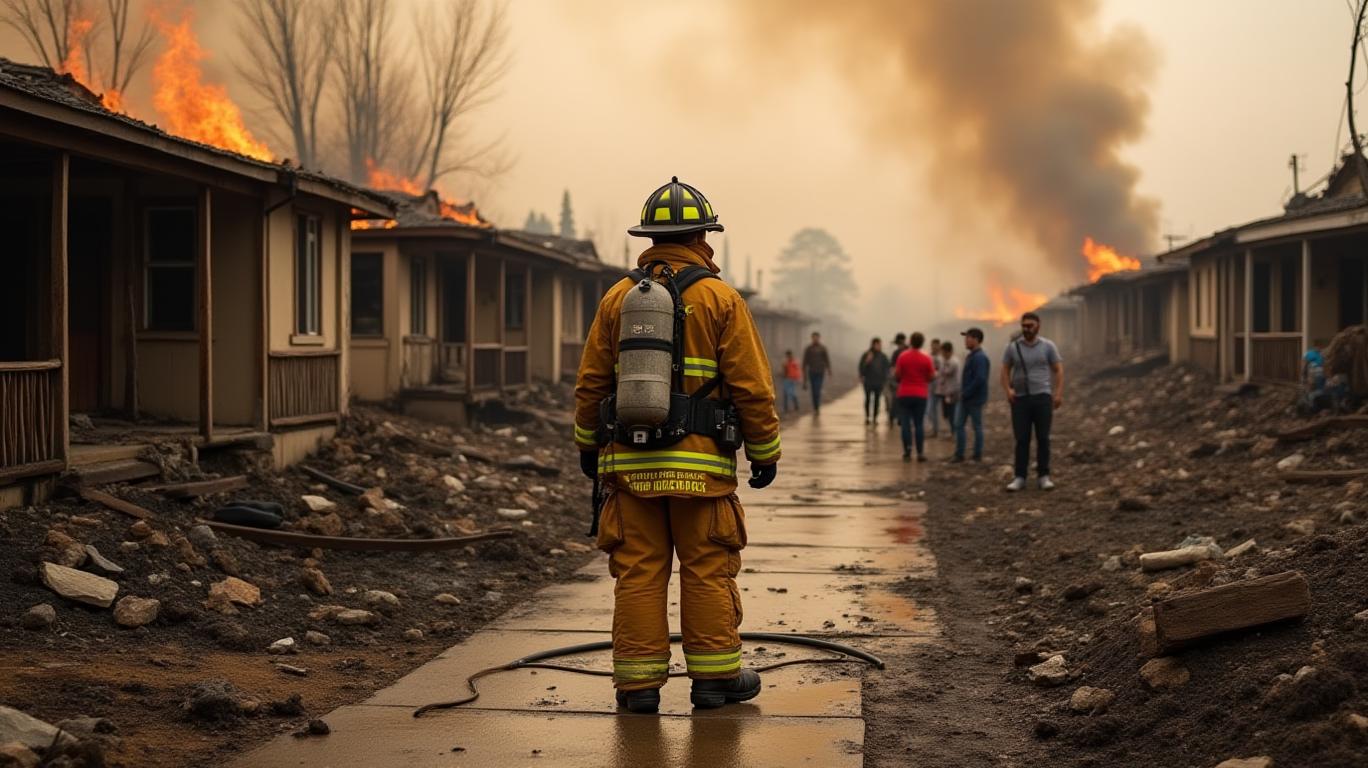
The recent wildfires in California have brought the state's insurance crisis to the forefront, with homeowners struggling to maintain coverage and insurers grappling with increased risks. In response, California Insurance Commissioner Ricardo Lara has implemented a ban on insurance cancellations in fire-prone areas, aiming to provide relief for homeowners while presenting new challenges for the insurance industry.
The ban on cancellations, which covers ZIP codes affected by the Palisades, Eaton, Hurst, Lidia, Sunset, and Woodley fires, will prevent insurers from dropping policies in high-risk areas for one year. Additionally, Lara has called on insurers to halt any pending non-renewals or cancellations for properties near wildfires and extend the 60-day grace period for policyholders to pay their premiums. These measures are designed to ensure that homeowners in fire-prone regions have access to insurance coverage, even as the risks and costs associated with wildfires continue to rise.
While the ban on cancellations will increase the availability of policies for California homeowners, it may also lead to higher premiums and contribute to a potential financial crisis if the underlying issues related to climate change and insurance affordability are not addressed. Insurers may pass on the increased risk to policyholders by raising rates, and the increased demand for policies due to the ban may drive up prices. Additionally, the ban may lead to an increase in demand for the California FAIR Plan, which provides basic fire insurance coverage for properties in high-risk areas when traditional insurance companies will not. As more homeowners turn to the FAIR Plan, its exposure for dwellings and commercial policies will likely rise, potentially leading to higher premiums for all FAIR Plan policyholders.
Insurance companies will likely employ several strategies to mitigate their losses in the face of increased risk and regulatory changes. According to Dave Jones, former California insurance commissioner, these strategies may include using forward-looking probabilistic models to determine the catastrophe load of the insurance rate, including the cost of reinsurance in rates, reducing exposure in high-risk areas, implementing risk mitigation measures, and increasing premiums. These strategies will help insurance companies offset the increased risks and costs associated with climate change and wildfires, but they may also contribute to higher premiums and a more challenging insurance market for homeowners.
In conclusion, the ban on cancellations in fire-prone areas of Los Angeles County is a significant step towards addressing the insurance crisis in California. While the ban will increase the availability of policies for homeowners, it may also lead to higher premiums and contribute to a potential financial crisis if the underlying issues related to climate change and insurance affordability are not addressed. Insurance companies will need to adapt to the new regulatory environment and employ various strategies to mitigate their losses, but these strategies may also present challenges for homeowners in the form of higher premiums and a more competitive insurance market.
ETN--
The recent wildfires in California have brought the state's insurance crisis to the forefront, with homeowners struggling to maintain coverage and insurers grappling with increased risks. In response, California Insurance Commissioner Ricardo Lara has implemented a ban on insurance cancellations in fire-prone areas, aiming to provide relief for homeowners while presenting new challenges for the insurance industry.
The ban on cancellations, which covers ZIP codes affected by the Palisades, Eaton, Hurst, Lidia, Sunset, and Woodley fires, will prevent insurers from dropping policies in high-risk areas for one year. Additionally, Lara has called on insurers to halt any pending non-renewals or cancellations for properties near wildfires and extend the 60-day grace period for policyholders to pay their premiums. These measures are designed to ensure that homeowners in fire-prone regions have access to insurance coverage, even as the risks and costs associated with wildfires continue to rise.
While the ban on cancellations will increase the availability of policies for California homeowners, it may also lead to higher premiums and contribute to a potential financial crisis if the underlying issues related to climate change and insurance affordability are not addressed. Insurers may pass on the increased risk to policyholders by raising rates, and the increased demand for policies due to the ban may drive up prices. Additionally, the ban may lead to an increase in demand for the California FAIR Plan, which provides basic fire insurance coverage for properties in high-risk areas when traditional insurance companies will not. As more homeowners turn to the FAIR Plan, its exposure for dwellings and commercial policies will likely rise, potentially leading to higher premiums for all FAIR Plan policyholders.
Insurance companies will likely employ several strategies to mitigate their losses in the face of increased risk and regulatory changes. According to Dave Jones, former California insurance commissioner, these strategies may include using forward-looking probabilistic models to determine the catastrophe load of the insurance rate, including the cost of reinsurance in rates, reducing exposure in high-risk areas, implementing risk mitigation measures, and increasing premiums. These strategies will help insurance companies offset the increased risks and costs associated with climate change and wildfires, but they may also contribute to higher premiums and a more challenging insurance market for homeowners.
In conclusion, the ban on cancellations in fire-prone areas of Los Angeles County is a significant step towards addressing the insurance crisis in California. While the ban will increase the availability of policies for homeowners, it may also lead to higher premiums and contribute to a potential financial crisis if the underlying issues related to climate change and insurance affordability are not addressed. Insurance companies will need to adapt to the new regulatory environment and employ various strategies to mitigate their losses, but these strategies may also present challenges for homeowners in the form of higher premiums and a more competitive insurance market.

Divulgación editorial y transparencia de la IA: Ainvest News utiliza tecnología avanzada de Modelos de Lenguaje Largo (LLM) para sintetizar y analizar datos de mercado en tiempo real. Para garantizar los más altos estándares de integridad, cada artículo se somete a un riguroso proceso de verificación con participación humana.
Mientras la IA asiste en el procesamiento de datos y la redacción inicial, un miembro editorial profesional de Ainvest revisa, verifica y aprueba de forma independiente todo el contenido para garantizar su precisión y cumplimiento con los estándares editoriales de Ainvest Fintech Inc. Esta supervisión humana está diseñada para mitigar las alucinaciones de la IA y garantizar el contexto financiero.
Advertencia sobre inversiones: Este contenido se proporciona únicamente con fines informativos y no constituye asesoramiento profesional de inversión, legal o financiero. Los mercados conllevan riesgos inherentes. Se recomienda a los usuarios que realicen una investigación independiente o consulten a un asesor financiero certificado antes de tomar cualquier decisión. Ainvest Fintech Inc. se exime de toda responsabilidad por las acciones tomadas con base en esta información. ¿Encontró un error? Reportar un problema


SOBRE NOSOTROS
Nuestra historiaAutores de noticiasBase de conocimientosPolítica de privacidadTérmino de usoDescargo de responsabilidad de corretaje de tercerosTérminos de uso de AIMEDivulgaciones de riesgos de AInvest AICarrerasCONTÁCTENOS
Email: support@ainvest.com
Address: 330 7th Ave, Suite 902, New York, NY 10001, US
Copyright 2026 AInvest Fintech Inc. All rights reserved.


Comentarios
Aún no hay comentarios