
BYD's Electric Vehicle Sales Surge: Narrowing the Gap with Tesla
Generado por agente de IAWesley Park
miércoles, 1 de enero de 2025, 6:47 pm ET2 min de lectura
BYD--
In the rapidly evolving world of electric vehicles (EVs), one name has been making waves and challenging the status quo: BYD. The Chinese automaker, founded in 1995, has transformed from a battery manufacturer to a global leader in electric vehicle production. In the last quarter of 2023, BYD achieved a remarkable milestone, selling more battery electric vehicles (BEVs) than Tesla globally. This impressive feat highlights BYD's growing influence in the EV market and its ability to narrow the sales gap with its American counterpart.
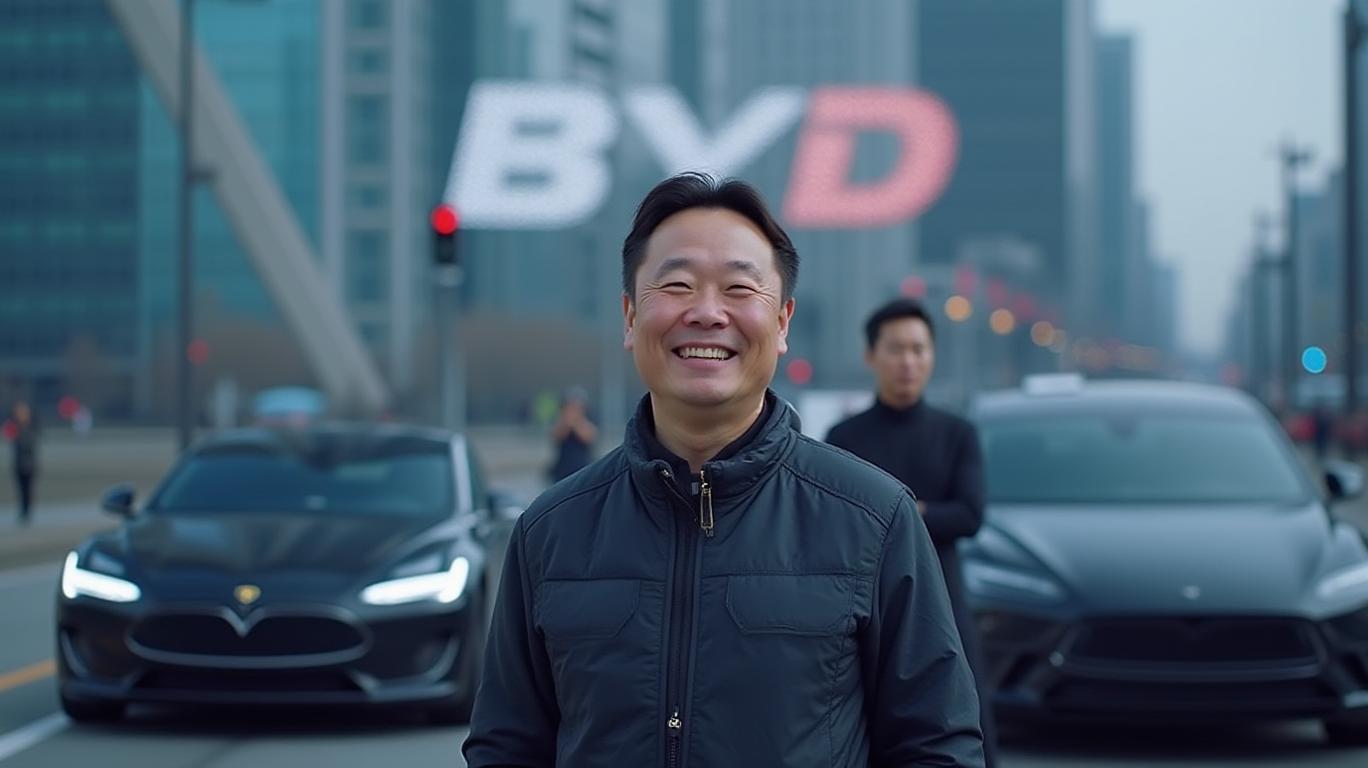
BYD's competitive pricing strategy has been a significant driver of its success. The company consistently offers more affordable electric vehicles compared to Tesla, making them more accessible to a broader range of consumers. For instance, in China, BYD's best-selling models like the Atto 3 and Dolphin are significantly cheaper than Tesla's Model 3 and Model Y. This aggressive pricing strategy has allowed BYD to capture a larger share of the Chinese market and attract customers who may have otherwise been priced out of the electric vehicle market.
Government incentives and regulations have also played a crucial role in BYD's pricing strategy and EV sales growth. Subsidies and tax rebates have helped BYD make its EVs more affordable, reducing the upfront cost for consumers. For example, in China, the government offers subsidies for EVs based on battery capacity, with higher subsidies for vehicles with larger batteries. This has allowed BYD to price its EVs more aggressively, making them more affordable for consumers.
In addition, government incentives such as tax exemptions have contributed to BYD's EV sales growth. In China, the government offers tax exemptions for EVs, which can significantly reduce the purchase price for consumers. This has helped to drive demand for BYD's EVs, as consumers are more likely to purchase an EV when the upfront cost is lower.
Furthermore, government subsidies and incentives have also helped to promote the adoption of EVs in general, which has benefited BYD as a leading EV manufacturer. For example, in China, the government has set ambitious targets for EV adoption, which has helped to create a favorable market environment for EV manufacturers like BYD.
BYD's focus on affordable electric vehicles has allowed it to capture a significant market share and improve its brand perception, particularly in China. While Tesla remains a strong competitor, BYD's strategy has enabled it to become a formidable player in the global electric vehicle market. In 2023, BYD sold around 3 million electric cars, including hybrids, globally, while Tesla delivered a total of 1.8 million vehicles worldwide. In the last quarter of 2023, BYD sold 526,000 battery-only cars compared to Tesla's 484,500, marking a significant milestone for the Chinese company.
In conclusion, BYD's competitive pricing strategy, coupled with government incentives and regulations, has allowed it to narrow the sales gap with Tesla and become a major player in the global electric vehicle market. As BYD continues to expand its presence in new markets, it is well-positioned to maintain its status as a leading electric vehicle manufacturer and challenge the dominance of established automakers like Tesla.
DLPN--
TSLA--
In the rapidly evolving world of electric vehicles (EVs), one name has been making waves and challenging the status quo: BYD. The Chinese automaker, founded in 1995, has transformed from a battery manufacturer to a global leader in electric vehicle production. In the last quarter of 2023, BYD achieved a remarkable milestone, selling more battery electric vehicles (BEVs) than Tesla globally. This impressive feat highlights BYD's growing influence in the EV market and its ability to narrow the sales gap with its American counterpart.
BYD's competitive pricing strategy has been a significant driver of its success. The company consistently offers more affordable electric vehicles compared to Tesla, making them more accessible to a broader range of consumers. For instance, in China, BYD's best-selling models like the Atto 3 and Dolphin are significantly cheaper than Tesla's Model 3 and Model Y. This aggressive pricing strategy has allowed BYD to capture a larger share of the Chinese market and attract customers who may have otherwise been priced out of the electric vehicle market.
Government incentives and regulations have also played a crucial role in BYD's pricing strategy and EV sales growth. Subsidies and tax rebates have helped BYD make its EVs more affordable, reducing the upfront cost for consumers. For example, in China, the government offers subsidies for EVs based on battery capacity, with higher subsidies for vehicles with larger batteries. This has allowed BYD to price its EVs more aggressively, making them more affordable for consumers.
In addition, government incentives such as tax exemptions have contributed to BYD's EV sales growth. In China, the government offers tax exemptions for EVs, which can significantly reduce the purchase price for consumers. This has helped to drive demand for BYD's EVs, as consumers are more likely to purchase an EV when the upfront cost is lower.
Furthermore, government subsidies and incentives have also helped to promote the adoption of EVs in general, which has benefited BYD as a leading EV manufacturer. For example, in China, the government has set ambitious targets for EV adoption, which has helped to create a favorable market environment for EV manufacturers like BYD.
BYD's focus on affordable electric vehicles has allowed it to capture a significant market share and improve its brand perception, particularly in China. While Tesla remains a strong competitor, BYD's strategy has enabled it to become a formidable player in the global electric vehicle market. In 2023, BYD sold around 3 million electric cars, including hybrids, globally, while Tesla delivered a total of 1.8 million vehicles worldwide. In the last quarter of 2023, BYD sold 526,000 battery-only cars compared to Tesla's 484,500, marking a significant milestone for the Chinese company.
In conclusion, BYD's competitive pricing strategy, coupled with government incentives and regulations, has allowed it to narrow the sales gap with Tesla and become a major player in the global electric vehicle market. As BYD continues to expand its presence in new markets, it is well-positioned to maintain its status as a leading electric vehicle manufacturer and challenge the dominance of established automakers like Tesla.

Divulgación editorial y transparencia de la IA: Ainvest News utiliza tecnología avanzada de Modelos de Lenguaje Largo (LLM) para sintetizar y analizar datos de mercado en tiempo real. Para garantizar los más altos estándares de integridad, cada artículo se somete a un riguroso proceso de verificación con participación humana.
Mientras la IA asiste en el procesamiento de datos y la redacción inicial, un miembro editorial profesional de Ainvest revisa, verifica y aprueba de forma independiente todo el contenido para garantizar su precisión y cumplimiento con los estándares editoriales de Ainvest Fintech Inc. Esta supervisión humana está diseñada para mitigar las alucinaciones de la IA y garantizar el contexto financiero.
Advertencia sobre inversiones: Este contenido se proporciona únicamente con fines informativos y no constituye asesoramiento profesional de inversión, legal o financiero. Los mercados conllevan riesgos inherentes. Se recomienda a los usuarios que realicen una investigación independiente o consulten a un asesor financiero certificado antes de tomar cualquier decisión. Ainvest Fintech Inc. se exime de toda responsabilidad por las acciones tomadas con base en esta información. ¿Encontró un error? Reportar un problema


SOBRE NOSOTROS
Nuestra historiaAutores de noticiasBase de conocimientosPolítica de privacidadTérmino de usoDescargo de responsabilidad de corretaje de tercerosTérminos de uso de AIMEDivulgaciones de riesgos de AInvest AICarrerasCONTÁCTENOS
Email: support@ainvest.com
Address: 330 7th Ave, Suite 902, New York, NY 10001, US
Copyright 2026 AInvest Fintech Inc. All rights reserved.


Comentarios
Aún no hay comentarios