
BYD's Aggressive Pricing Strategy: A Game Changer in South Korea's EV Market
Generado por agente de IAWesley Park
viernes, 17 de enero de 2025, 5:09 am ET1 min de lectura
BYD--
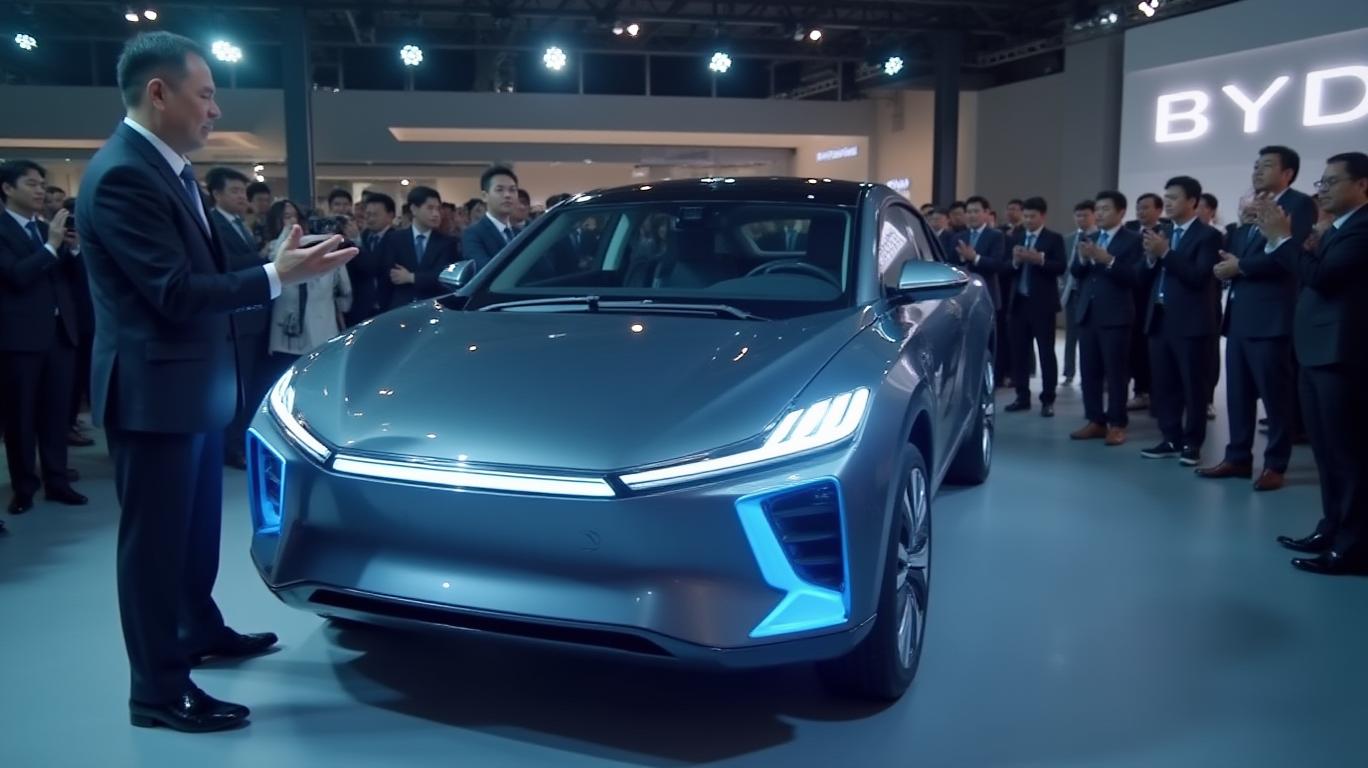
BYD, the world's largest electric vehicle (EV) manufacturer by sales, has officially entered the South Korean market with an aggressive pricing strategy that could shake up the local EV landscape. The Chinese automaker, known for its affordable and reliable electric vehicles, has launched its popular Atto 3 model in South Korea at a starting price of 31.5 million won ($21,700), which is over 10 million won cheaper than its Korean competitors like Hyundai and Kia.
BYD's aggressive pricing strategy is expected to put downward pressure on local EV pricing, potentially leading to a price war and forcing Hyundai and Kia to lower their prices to remain competitive. This could be a significant challenge for the Korean automakers, as they have traditionally dominated the local EV market. However, BYD's focus on young and entry-level buyers who are less prejudiced against Chinese brands may attract price-sensitive consumers away from Hyundai and Kia, potentially impacting their market share.
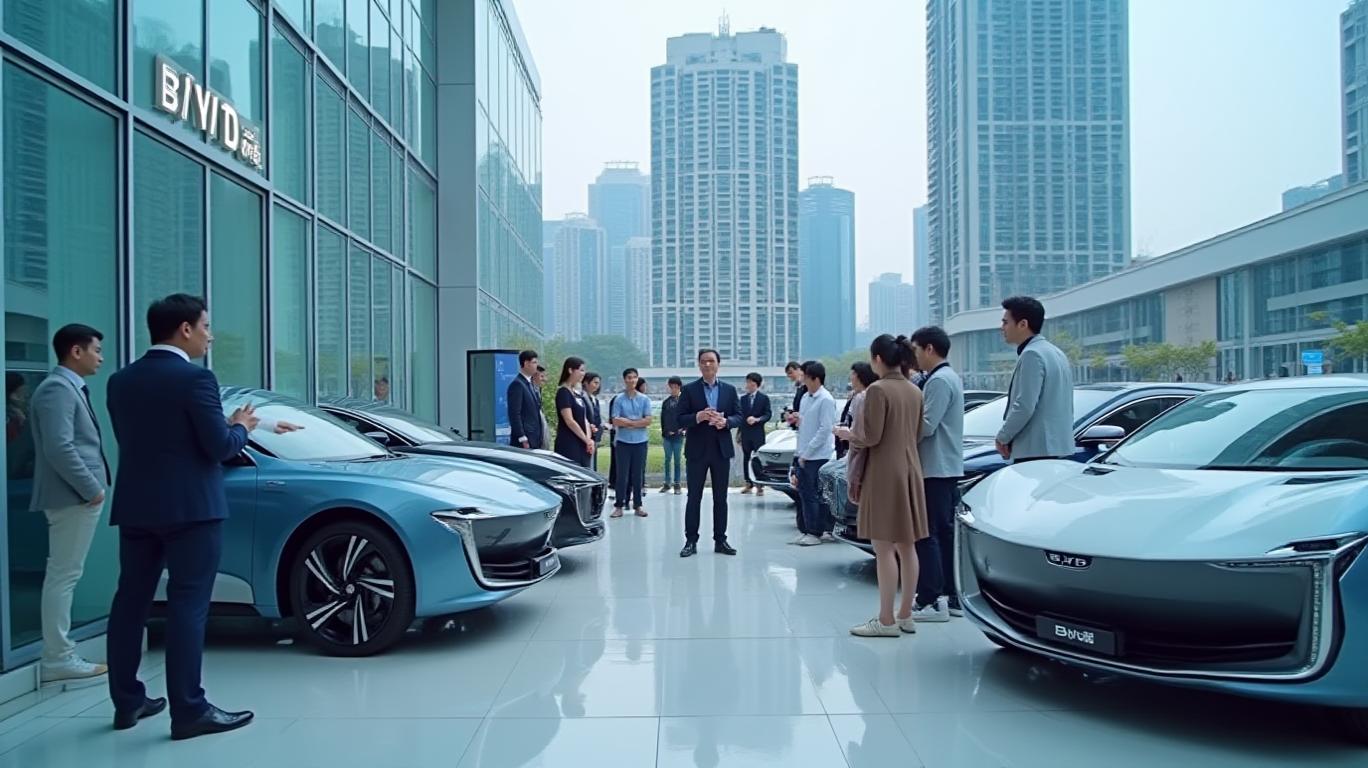
To build consumer trust in its brand, BYD is committed to providing accurate information about its products, emphasizing its roots as a battery manufacturer, and offering high-quality service through its showrooms and service centers. The company plans to expand its product range later in the year with the launch of the Seal and Sealion models, which will help address the limited product range challenge and appeal to a broader range of consumers.
BYD's focus on lithium iron phosphate (LFP) battery technology is a strategic choice that sets it apart from Korean competitors who primarily use nickel, cobalt, and manganese (NCM) batteries. LFP batteries are known for their safety, longevity, and lower cost, making them an attractive option for budget-conscious consumers. According to Cho In-chul, head of the passenger car division at BYD Korea, BYD's LFP battery technology surpasses all competitors in terms of safety and performance.
In conclusion, BYD's aggressive pricing strategy and focus on LFP battery technology could be a game changer in South Korea's EV market. As the company builds consumer trust and expands its product range, it has the potential to challenge the dominance of local automakers like Hyundai and Kia. However, BYD will need to overcome preconceived notions about Chinese brands, data security concerns, and competition from established brands to succeed in the Korean market.
BYD, the world's largest electric vehicle (EV) manufacturer by sales, has officially entered the South Korean market with an aggressive pricing strategy that could shake up the local EV landscape. The Chinese automaker, known for its affordable and reliable electric vehicles, has launched its popular Atto 3 model in South Korea at a starting price of 31.5 million won ($21,700), which is over 10 million won cheaper than its Korean competitors like Hyundai and Kia.
BYD's aggressive pricing strategy is expected to put downward pressure on local EV pricing, potentially leading to a price war and forcing Hyundai and Kia to lower their prices to remain competitive. This could be a significant challenge for the Korean automakers, as they have traditionally dominated the local EV market. However, BYD's focus on young and entry-level buyers who are less prejudiced against Chinese brands may attract price-sensitive consumers away from Hyundai and Kia, potentially impacting their market share.
To build consumer trust in its brand, BYD is committed to providing accurate information about its products, emphasizing its roots as a battery manufacturer, and offering high-quality service through its showrooms and service centers. The company plans to expand its product range later in the year with the launch of the Seal and Sealion models, which will help address the limited product range challenge and appeal to a broader range of consumers.
BYD's focus on lithium iron phosphate (LFP) battery technology is a strategic choice that sets it apart from Korean competitors who primarily use nickel, cobalt, and manganese (NCM) batteries. LFP batteries are known for their safety, longevity, and lower cost, making them an attractive option for budget-conscious consumers. According to Cho In-chul, head of the passenger car division at BYD Korea, BYD's LFP battery technology surpasses all competitors in terms of safety and performance.
In conclusion, BYD's aggressive pricing strategy and focus on LFP battery technology could be a game changer in South Korea's EV market. As the company builds consumer trust and expands its product range, it has the potential to challenge the dominance of local automakers like Hyundai and Kia. However, BYD will need to overcome preconceived notions about Chinese brands, data security concerns, and competition from established brands to succeed in the Korean market.



Divulgación editorial y transparencia de la IA: Ainvest News utiliza tecnología avanzada de Modelos de Lenguaje Largo (LLM) para sintetizar y analizar datos de mercado en tiempo real. Para garantizar los más altos estándares de integridad, cada artículo se somete a un riguroso proceso de verificación con participación humana.
Mientras la IA asiste en el procesamiento de datos y la redacción inicial, un miembro editorial profesional de Ainvest revisa, verifica y aprueba de forma independiente todo el contenido para garantizar su precisión y cumplimiento con los estándares editoriales de Ainvest Fintech Inc. Esta supervisión humana está diseñada para mitigar las alucinaciones de la IA y garantizar el contexto financiero.
Advertencia sobre inversiones: Este contenido se proporciona únicamente con fines informativos y no constituye asesoramiento profesional de inversión, legal o financiero. Los mercados conllevan riesgos inherentes. Se recomienda a los usuarios que realicen una investigación independiente o consulten a un asesor financiero certificado antes de tomar cualquier decisión. Ainvest Fintech Inc. se exime de toda responsabilidad por las acciones tomadas con base en esta información. ¿Encontró un error? Reportar un problema


SOBRE NOSOTROS
Nuestra historiaAutores de noticiasBase de conocimientosPolítica de privacidadTérmino de usoDescargo de responsabilidad de corretaje de tercerosTérminos de uso de AIMEDivulgaciones de riesgos de AInvest AICarrerasCONTÁCTENOS
Email: support@ainvest.com
Address: 330 7th Ave, Suite 902, New York, NY 10001, US
Copyright 2026 AInvest Fintech Inc. All rights reserved.


Comentarios
Aún no hay comentarios