
BYD's 2027 Solid-State Battery Ambition: A Game Changer for Luxury EVs
Generado por agente de IAWesley Park
lunes, 17 de febrero de 2025, 2:38 am ET1 min de lectura
BYD--
In the rapidly evolving world of electric vehicles (EVs), one name has been making waves: BYD. The Chinese automaker, known for its innovative approach to battery technology, has set its sights on a new milestone: mass production of solid-state batteries by 2027. This ambitious goal, announced by BYD's Chief Technology Officer Sun Huajun, promises to revolutionize the EV landscape, particularly in the high-end segment.
BYD's solid-state battery strategy is a direct response to the growing demand for safer, more efficient, and longer-lasting batteries. Solid-state batteries, which use solid electrolytes instead of liquid ones, offer several advantages over traditional lithium-ion batteries. These include higher energy density, faster charging, improved safety, and better resistance to extreme temperatures.
However, the road to mass production is not without challenges. High costs, complex manufacturing processes, and difficult integration with vehicles are just a few hurdles BYD must overcome. But the company is confident in its ability to deliver on its 2027 target. Sun Huajun has stated that BYD plans to begin small-scale production of sulfide-based all-solid-state batteries by that year, with a broader adoption expected post-2030.
BYD's strategy of initially targeting high-end models with solid-state batteries is a strategic move. By focusing on luxury EVs, the company can leverage the premium brand image and technological leadership to attract affluent customers seeking cutting-edge performance and safety. As solid-state battery technology matures and costs decrease, BYD can gradually introduce these batteries in mid-range and budget models, expanding its market reach.
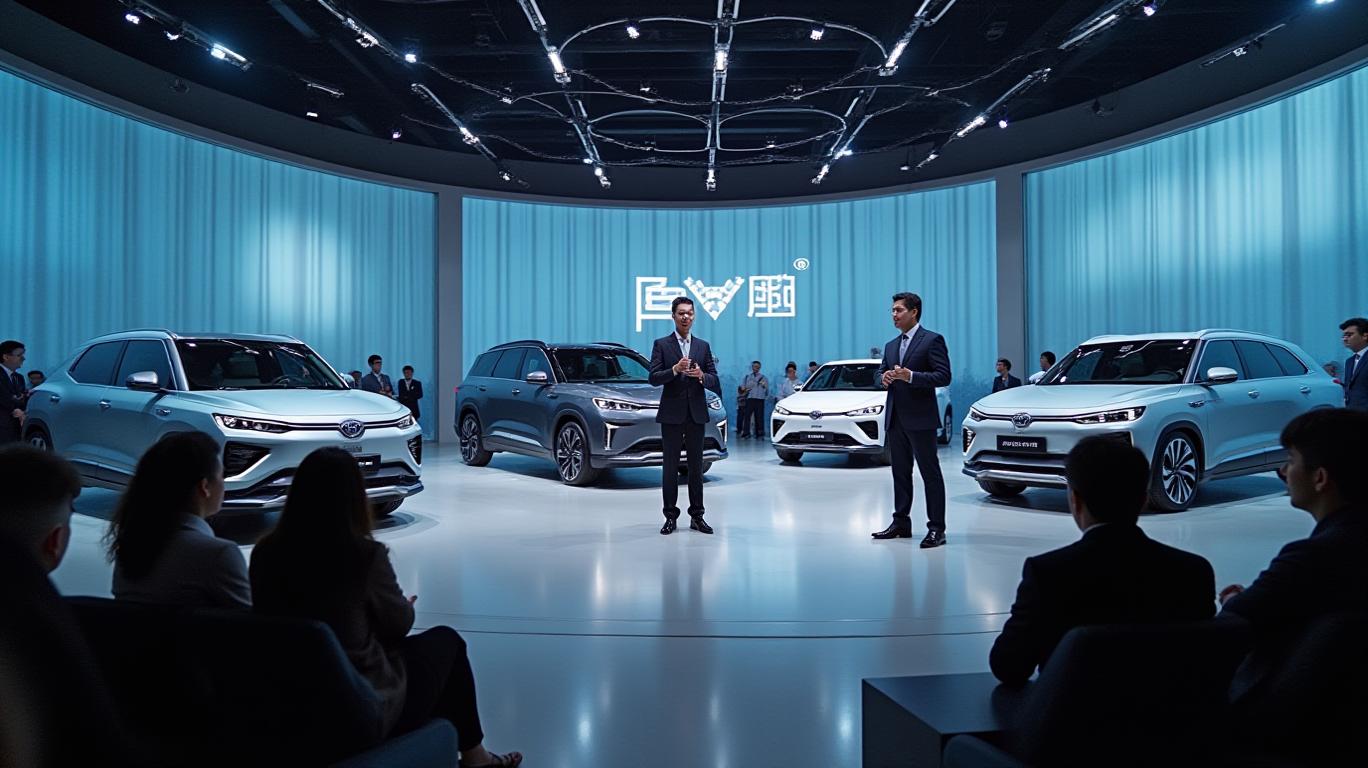
The potential cost savings and performance improvements of solid-state batteries are significant. As adoption grows, BYD expects the cost of solid-state ternary batteries to become comparable to that of liquid ternary batteries. This could lead to reduced costs while maintaining or even improving performance, making solid-state batteries a more cost-effective and high-performing alternative to traditional lithium-ion batteries.
In conclusion, BYD's 2027 target for mass production of solid-state batteries is a bold and exciting move in the EV industry. By focusing on high-end models initially, the company can capitalize on the advantages of solid-state batteries while managing the associated costs and market risks. As solid-state battery technology matures and costs decrease, BYD can expand its market reach and capture a larger share of the EV market. Investors and EV enthusiasts alike should keep a close eye on BYD's progress in this space, as the company continues to push the boundaries of battery technology.
In the rapidly evolving world of electric vehicles (EVs), one name has been making waves: BYD. The Chinese automaker, known for its innovative approach to battery technology, has set its sights on a new milestone: mass production of solid-state batteries by 2027. This ambitious goal, announced by BYD's Chief Technology Officer Sun Huajun, promises to revolutionize the EV landscape, particularly in the high-end segment.
BYD's solid-state battery strategy is a direct response to the growing demand for safer, more efficient, and longer-lasting batteries. Solid-state batteries, which use solid electrolytes instead of liquid ones, offer several advantages over traditional lithium-ion batteries. These include higher energy density, faster charging, improved safety, and better resistance to extreme temperatures.
However, the road to mass production is not without challenges. High costs, complex manufacturing processes, and difficult integration with vehicles are just a few hurdles BYD must overcome. But the company is confident in its ability to deliver on its 2027 target. Sun Huajun has stated that BYD plans to begin small-scale production of sulfide-based all-solid-state batteries by that year, with a broader adoption expected post-2030.
BYD's strategy of initially targeting high-end models with solid-state batteries is a strategic move. By focusing on luxury EVs, the company can leverage the premium brand image and technological leadership to attract affluent customers seeking cutting-edge performance and safety. As solid-state battery technology matures and costs decrease, BYD can gradually introduce these batteries in mid-range and budget models, expanding its market reach.
The potential cost savings and performance improvements of solid-state batteries are significant. As adoption grows, BYD expects the cost of solid-state ternary batteries to become comparable to that of liquid ternary batteries. This could lead to reduced costs while maintaining or even improving performance, making solid-state batteries a more cost-effective and high-performing alternative to traditional lithium-ion batteries.
In conclusion, BYD's 2027 target for mass production of solid-state batteries is a bold and exciting move in the EV industry. By focusing on high-end models initially, the company can capitalize on the advantages of solid-state batteries while managing the associated costs and market risks. As solid-state battery technology matures and costs decrease, BYD can expand its market reach and capture a larger share of the EV market. Investors and EV enthusiasts alike should keep a close eye on BYD's progress in this space, as the company continues to push the boundaries of battery technology.

Divulgación editorial y transparencia de la IA: Ainvest News utiliza tecnología avanzada de Modelos de Lenguaje Largo (LLM) para sintetizar y analizar datos de mercado en tiempo real. Para garantizar los más altos estándares de integridad, cada artículo se somete a un riguroso proceso de verificación con participación humana.
Mientras la IA asiste en el procesamiento de datos y la redacción inicial, un miembro editorial profesional de Ainvest revisa, verifica y aprueba de forma independiente todo el contenido para garantizar su precisión y cumplimiento con los estándares editoriales de Ainvest Fintech Inc. Esta supervisión humana está diseñada para mitigar las alucinaciones de la IA y garantizar el contexto financiero.
Advertencia sobre inversiones: Este contenido se proporciona únicamente con fines informativos y no constituye asesoramiento profesional de inversión, legal o financiero. Los mercados conllevan riesgos inherentes. Se recomienda a los usuarios que realicen una investigación independiente o consulten a un asesor financiero certificado antes de tomar cualquier decisión. Ainvest Fintech Inc. se exime de toda responsabilidad por las acciones tomadas con base en esta información. ¿Encontró un error? Reportar un problema


SOBRE NOSOTROS
Nuestra historiaAutores de noticiasBase de conocimientosPolítica de privacidadTérmino de usoDescargo de responsabilidad de corretaje de tercerosTérminos de uso de AIMEDivulgaciones de riesgos de AInvest AICarrerasCONTÁCTENOS
Email: support@ainvest.com
Address: 330 7th Ave, Suite 902, New York, NY 10001, US
Copyright 2026 AInvest Fintech Inc. All rights reserved.


Comentarios
Aún no hay comentarios