
Should You Buy Stocks in the Nasdaq Correction? 6 Words From Warren Buffett Offer a Strikingly Clear Answer
Generado por agente de IACyrus Cole
domingo, 23 de marzo de 2025, 6:25 pm ET1 min de lectura
BRK.B--
The Nasdaq Composite has recently fallen into correction territory, marking a 10% drop from its peak levels. This decline has left many investors wondering whether now is the time to buy or to hold off. Warren Buffett, the legendary investor and CEO of Berkshire HathawayBRK.B--, has a clear answer to this question: "Be fearful when others are greedy and be greedy when others are fearful."
Buffett's advice is rooted in his contrarian investment philosophy, which has served him well over the decades. By buying quality businesses at discounted prices when others are selling in a panic, Buffett has consistently outperformed the market. This approach is particularly relevant in the current Nasdaq correction, where investor sentiment has soured and stock prices have fallen sharply.
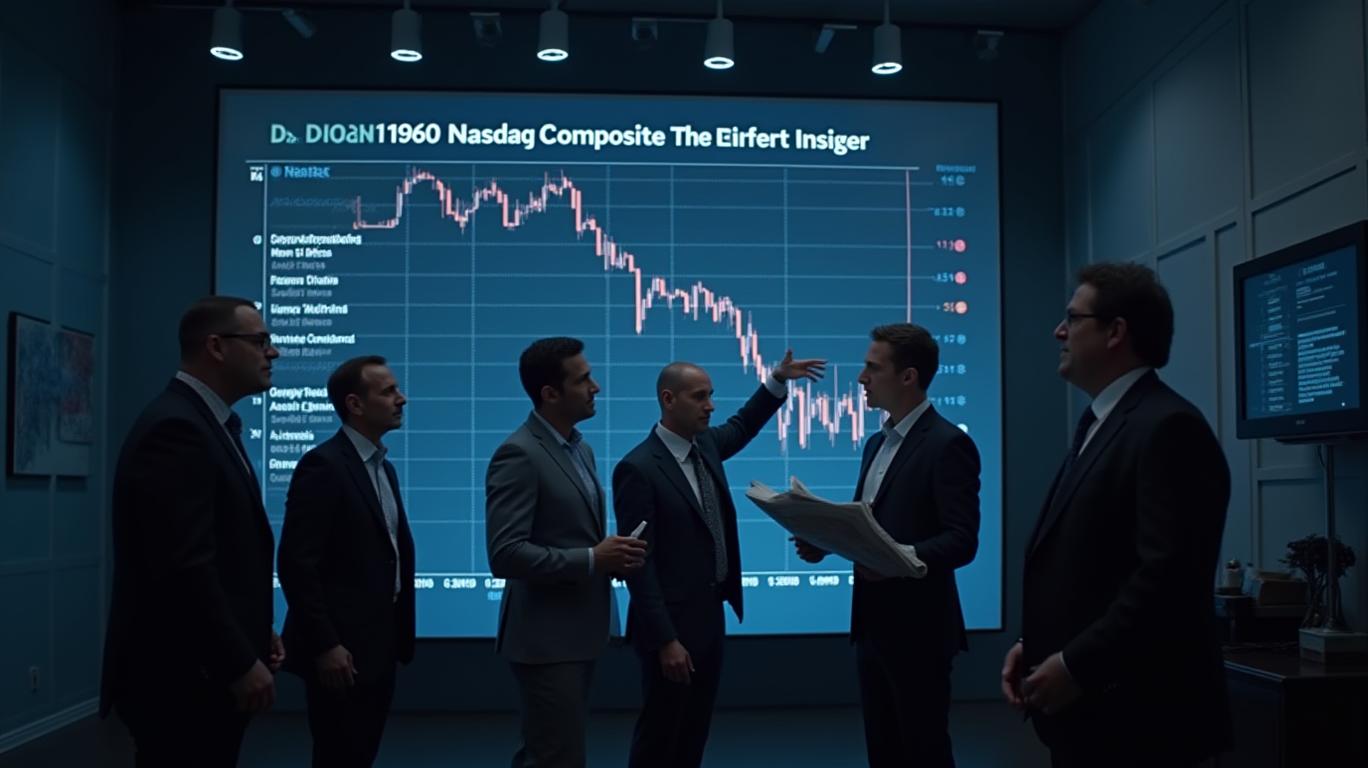
The current Nasdaq correction is driven by a combination of factors, including uncertainty surrounding new Trump administration tariff policies and growing economic concerns. The University of Michigan’s Consumer Sentiment Index dropped from 64.7 to 57.9 in March, the weakest reading in over two years. This decline in consumer sentiment, along with other market indicators such as the CBOECBOE-- put/call ratio and gold prices, suggests that investors are positioning for the market to fall.
However, historical precedents and market indicators suggest that the current Nasdaq correction could present a buying opportunity. In March 2009, over 60 percent of AAII respondents were bearish, yet the S&P 500 went on to close that year more than 22 percent higher. Similarly, the previous low for the Michigan data registered on November 30, 2022, turned out to be a "rather opportune time to buy stocks" as the market bottomed. Over the next 12 months, the market rallied roughly 20 percent.
Investors can take specific actions based on Buffett's principle. For example, they can use dollar-cost averaging, which involves making regular investments regardless of whether the market is up or down. This approach allows investors to take advantage of market corrections by buying more shares when prices are low. Additionally, investors can keep cash reserves for opportunities, as Buffett has done with Berkshire Hathaway's massive cash position. This cash can be used to buy stocks when they are undervalued during market downturns.
In summary, Warren Buffett's investment philosophy encourages investors to be contrarian and buy stocks when others are selling. The current Nasdaq correction presents an opportunity for investors to apply this principle by buying stocks at a discount and using strategies such as dollar-cost averaging and keeping cash reserves for opportunities. By staying rational and focused on long-term goals during market downturns, investors can position themselves to benefit from the eventual market recovery.
The Nasdaq Composite has recently fallen into correction territory, marking a 10% drop from its peak levels. This decline has left many investors wondering whether now is the time to buy or to hold off. Warren Buffett, the legendary investor and CEO of Berkshire HathawayBRK.B--, has a clear answer to this question: "Be fearful when others are greedy and be greedy when others are fearful."
Buffett's advice is rooted in his contrarian investment philosophy, which has served him well over the decades. By buying quality businesses at discounted prices when others are selling in a panic, Buffett has consistently outperformed the market. This approach is particularly relevant in the current Nasdaq correction, where investor sentiment has soured and stock prices have fallen sharply.
The current Nasdaq correction is driven by a combination of factors, including uncertainty surrounding new Trump administration tariff policies and growing economic concerns. The University of Michigan’s Consumer Sentiment Index dropped from 64.7 to 57.9 in March, the weakest reading in over two years. This decline in consumer sentiment, along with other market indicators such as the CBOECBOE-- put/call ratio and gold prices, suggests that investors are positioning for the market to fall.
However, historical precedents and market indicators suggest that the current Nasdaq correction could present a buying opportunity. In March 2009, over 60 percent of AAII respondents were bearish, yet the S&P 500 went on to close that year more than 22 percent higher. Similarly, the previous low for the Michigan data registered on November 30, 2022, turned out to be a "rather opportune time to buy stocks" as the market bottomed. Over the next 12 months, the market rallied roughly 20 percent.
Investors can take specific actions based on Buffett's principle. For example, they can use dollar-cost averaging, which involves making regular investments regardless of whether the market is up or down. This approach allows investors to take advantage of market corrections by buying more shares when prices are low. Additionally, investors can keep cash reserves for opportunities, as Buffett has done with Berkshire Hathaway's massive cash position. This cash can be used to buy stocks when they are undervalued during market downturns.
In summary, Warren Buffett's investment philosophy encourages investors to be contrarian and buy stocks when others are selling. The current Nasdaq correction presents an opportunity for investors to apply this principle by buying stocks at a discount and using strategies such as dollar-cost averaging and keeping cash reserves for opportunities. By staying rational and focused on long-term goals during market downturns, investors can position themselves to benefit from the eventual market recovery.

Divulgación editorial y transparencia de la IA: Ainvest News utiliza tecnología avanzada de Modelos de Lenguaje Largo (LLM) para sintetizar y analizar datos de mercado en tiempo real. Para garantizar los más altos estándares de integridad, cada artículo se somete a un riguroso proceso de verificación con participación humana.
Mientras la IA asiste en el procesamiento de datos y la redacción inicial, un miembro editorial profesional de Ainvest revisa, verifica y aprueba de forma independiente todo el contenido para garantizar su precisión y cumplimiento con los estándares editoriales de Ainvest Fintech Inc. Esta supervisión humana está diseñada para mitigar las alucinaciones de la IA y garantizar el contexto financiero.
Advertencia sobre inversiones: Este contenido se proporciona únicamente con fines informativos y no constituye asesoramiento profesional de inversión, legal o financiero. Los mercados conllevan riesgos inherentes. Se recomienda a los usuarios que realicen una investigación independiente o consulten a un asesor financiero certificado antes de tomar cualquier decisión. Ainvest Fintech Inc. se exime de toda responsabilidad por las acciones tomadas con base en esta información. ¿Encontró un error? Reportar un problema


SOBRE NOSOTROS
Nuestra historiaAutores de noticiasBase de conocimientosPolítica de privacidadTérmino de usoDescargo de responsabilidad de corretaje de tercerosTérminos de uso de AIMEDivulgaciones de riesgos de AInvest AICarrerasCONTÁCTENOS
Email: support@ainvest.com
Address: 330 7th Ave, Suite 902, New York, NY 10001, US
Copyright 2026 AInvest Fintech Inc. All rights reserved.


Comentarios
Aún no hay comentarios