
Business Transformation: The Strategic Imperative for Unlocking Long-Term Digital ROI
According to a report by Implema, the shift from fragmented digitalization efforts to cohesive transformation strategies is gaining momentum. This evolution reflects a hard-earned realization: technology alone cannot deliver value without alignment with business objectives and operating models. Implema's recent expansion of its Business Transformation practice underscores this trend, offering end-to-end capabilities in strategy development, process design, AI-driven innovation, and transformation leadership. By addressing the interplay between technology and organizational culture, such initiatives are redefining what it means to achieve measurable digital ROI.
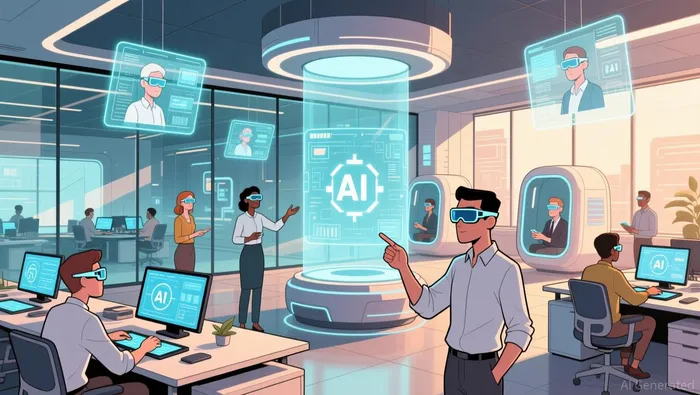
The challenge of aligning digital investments with business outcomes is compounded by the complexity of modern enterprises. For instance, AI and automation hold immense promise, but their success hinges on their ability to enhance-not disrupt-existing workflows. A siloed approach, where technology is deployed without considering human capital or operational realities, often leads to underutilized tools and unmet expectations. This is where integrated transformation practices shine. By embedding strategic alignment into every phase of tech adoption, companies can ensure that innovations like AI are not just implemented but operationalized to drive efficiency, agility, and customer-centricity.
The growing emphasis on experiential value further complicates the ROI equation. While traditional metrics focus on cost savings or productivity gains, a new framework-ROME highlights the emotional and experiential impact of digital initiatives. Developed by ROME Insights, this approach measures how live events and digital interactions create lasting engagement, suggesting that long-term value extends beyond operational efficiency to include brand loyalty and stakeholder satisfaction. For investors, this signals a shift in priorities: successful digital transformation must now account for both quantitative and qualitative outcomes.
Implema's expanded practice is particularly noteworthy in this context. By combining technical expertise with deep strategic insight, the firm is addressing a critical market gap. Its focus on AI-driven innovation and transformation leadership aligns with the growing demand for integrated solutions that bridge the divide between technology and business strategy. For enterprises, this means reduced risk of misaligned investments and a clearer path to scaling digital initiatives. For investors, it highlights the potential of firms that enable such transformations-companies that don't just sell software but help clients reimagine their entire value chains.
The investment implications are clear. As enterprises increasingly recognize the limitations of isolated tech adoption, demand will surge for providers that offer end-to-end transformation capabilities. This includes firms specializing in strategic consulting, AI integration, and change management. Implema's trajectory is emblematic of this trend, but it is not alone. The broader market for transformation enablers-ranging from ERP vendors to AI platforms-is poised for growth, driven by the need for strategic alignment in an era of rapid technological change.
In conclusion, the future of digital ROI lies in the convergence of technology and strategy. Companies that treat digital transformation as a siloed project will struggle to compete with those that embed it into their DNA. As Implema and frameworks like ROME demonstrate, the most successful enterprises are those that align their digital investments with human-centric, emotionally resonant outcomes. For investors, the lesson is straightforward: prioritize firms that facilitate this alignment, as they are best positioned to deliver both financial returns and long-term value in an increasingly complex world.







Comentarios
Aún no hay comentarios