
US Business Activity Slows in January; Hiring Accelerates Amidst Uncertainty
Generado por agente de IAHarrison Brooks
viernes, 24 de enero de 2025, 9:57 am ET2 min de lectura
EIG--
The U.S. business activity slowed to a nine-month low in January, according to the S&P Global flash U.S. Composite PMI Output Index, which tracks the manufacturing and services sectors. The index declined to 52.4, the lowest level since April 2022, and down from 55.4 in December 2024. This slowdown was primarily driven by a decrease in the services sector, which accounted for the majority of the drop in the PMI. However, the manufacturing sector expanded for the first time in seven months, fueled by hopes of "looser regulation, lower taxes and heightened protectionism" under President Trump's new administration.
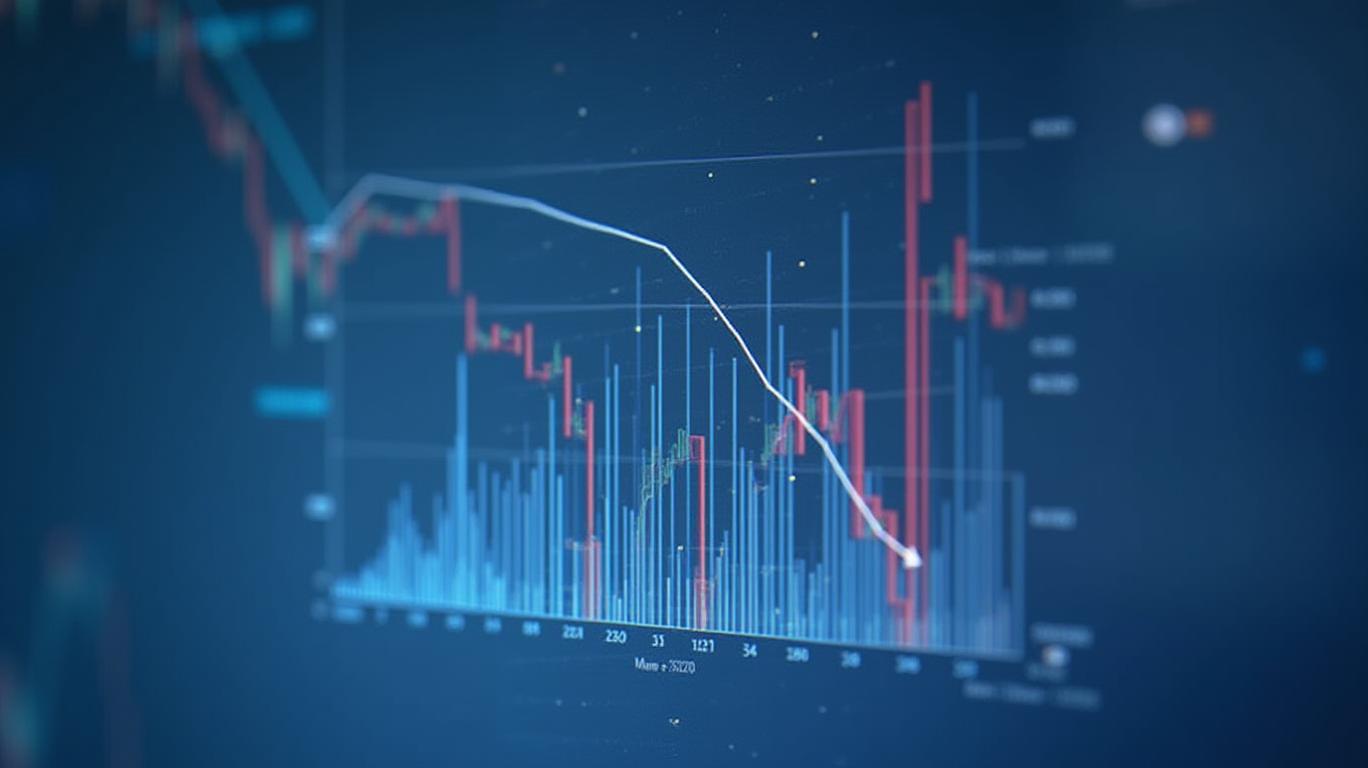
The slowdown in business activity in January 2025 was notable because it was a significant drop from the previous month and marked a return to a level not seen since April 2022. This decline was largely driven by uncertainty surrounding the new administration's policies, particularly regarding trade and immigration. Some businesses expressed concerns that potential tariffs could disrupt supply chains and impact sales, or stoke inflation. Additionally, there were fears that the U.S. central bank could adopt a more hawkish posture to deal with inflation.
Historically, the PMI has fluctuated, with periods of expansion and contraction. The decline in January 2025 was a notable deviation from the steady growth experienced in the preceding months. The PMI had been hovering around the 55-56 range since June 2024, indicating a robust expansion in the private sector. The sudden drop in January 2025 was likely a result of the uncertainty and concerns surrounding the new administration's policies, as well as the potential impact of inflation on businesses and consumers.
Despite the slowdown in business activity, hiring accelerated in January 2025. The survey's measure of employment jumped to 53.7, the highest in 2-1/2 years, from 51.4 in December 2024. This increase in hiring was mostly in services businesses, indicating that employers were eager to hire more workers despite labor shortages constraining some firms. The rise in employment was likely driven by businesses' desire to expand their workforce to meet growing demand, as well as the need to replace workers who left the labor force.
The acceleration in hiring could have potential implications on wage growth and inflation in the coming months. As businesses compete for a limited pool of workers, they may be forced to increase wages to attract and retain talent. This increased competition for workers could drive up wages, particularly in sectors where labor is in short supply. Higher wages could then lead to increased production costs for businesses, which they may pass on to consumers in the form of higher prices. This could contribute to inflation, as businesses may be more likely to raise prices to offset their increased labor costs.
The uncertainty surrounding the new administration's trade and immigration policies could also impact business confidence and investment decisions. The proposed tariffs on imports, including those from China and other trading partners, could disrupt supply chains and impact sales. This uncertainty may discourage businesses from investing in new projects or expanding existing ones. Additionally, the new administration's immigration policies could exacerbate labor shortages, making it more difficult for businesses to find workers. This could lead to higher wages and increased labor costs, further impacting business confidence and investment decisions.
In conclusion, the slowdown in business activity in January 2025 was primarily driven by uncertainty surrounding the new administration's policies, particularly regarding trade and immigration. Despite this slowdown, hiring accelerated, which could have potential implications on wage growth and inflation in the coming months. The uncertainty surrounding the new administration's policies could also impact business confidence and investment decisions, as businesses may be hesitant to invest in new projects or expand existing ones amidst the uncertainty. As the new administration's policies become clearer, businesses will likely have a better understanding of the potential impacts on their operations and make more informed decisions about their future investments.
The U.S. business activity slowed to a nine-month low in January, according to the S&P Global flash U.S. Composite PMI Output Index, which tracks the manufacturing and services sectors. The index declined to 52.4, the lowest level since April 2022, and down from 55.4 in December 2024. This slowdown was primarily driven by a decrease in the services sector, which accounted for the majority of the drop in the PMI. However, the manufacturing sector expanded for the first time in seven months, fueled by hopes of "looser regulation, lower taxes and heightened protectionism" under President Trump's new administration.
The slowdown in business activity in January 2025 was notable because it was a significant drop from the previous month and marked a return to a level not seen since April 2022. This decline was largely driven by uncertainty surrounding the new administration's policies, particularly regarding trade and immigration. Some businesses expressed concerns that potential tariffs could disrupt supply chains and impact sales, or stoke inflation. Additionally, there were fears that the U.S. central bank could adopt a more hawkish posture to deal with inflation.
Historically, the PMI has fluctuated, with periods of expansion and contraction. The decline in January 2025 was a notable deviation from the steady growth experienced in the preceding months. The PMI had been hovering around the 55-56 range since June 2024, indicating a robust expansion in the private sector. The sudden drop in January 2025 was likely a result of the uncertainty and concerns surrounding the new administration's policies, as well as the potential impact of inflation on businesses and consumers.
Despite the slowdown in business activity, hiring accelerated in January 2025. The survey's measure of employment jumped to 53.7, the highest in 2-1/2 years, from 51.4 in December 2024. This increase in hiring was mostly in services businesses, indicating that employers were eager to hire more workers despite labor shortages constraining some firms. The rise in employment was likely driven by businesses' desire to expand their workforce to meet growing demand, as well as the need to replace workers who left the labor force.
The acceleration in hiring could have potential implications on wage growth and inflation in the coming months. As businesses compete for a limited pool of workers, they may be forced to increase wages to attract and retain talent. This increased competition for workers could drive up wages, particularly in sectors where labor is in short supply. Higher wages could then lead to increased production costs for businesses, which they may pass on to consumers in the form of higher prices. This could contribute to inflation, as businesses may be more likely to raise prices to offset their increased labor costs.
The uncertainty surrounding the new administration's trade and immigration policies could also impact business confidence and investment decisions. The proposed tariffs on imports, including those from China and other trading partners, could disrupt supply chains and impact sales. This uncertainty may discourage businesses from investing in new projects or expanding existing ones. Additionally, the new administration's immigration policies could exacerbate labor shortages, making it more difficult for businesses to find workers. This could lead to higher wages and increased labor costs, further impacting business confidence and investment decisions.
In conclusion, the slowdown in business activity in January 2025 was primarily driven by uncertainty surrounding the new administration's policies, particularly regarding trade and immigration. Despite this slowdown, hiring accelerated, which could have potential implications on wage growth and inflation in the coming months. The uncertainty surrounding the new administration's policies could also impact business confidence and investment decisions, as businesses may be hesitant to invest in new projects or expand existing ones amidst the uncertainty. As the new administration's policies become clearer, businesses will likely have a better understanding of the potential impacts on their operations and make more informed decisions about their future investments.

Divulgación editorial y transparencia de la IA: Ainvest News utiliza tecnología avanzada de Modelos de Lenguaje Largo (LLM) para sintetizar y analizar datos de mercado en tiempo real. Para garantizar los más altos estándares de integridad, cada artículo se somete a un riguroso proceso de verificación con participación humana.
Mientras la IA asiste en el procesamiento de datos y la redacción inicial, un miembro editorial profesional de Ainvest revisa, verifica y aprueba de forma independiente todo el contenido para garantizar su precisión y cumplimiento con los estándares editoriales de Ainvest Fintech Inc. Esta supervisión humana está diseñada para mitigar las alucinaciones de la IA y garantizar el contexto financiero.
Advertencia sobre inversiones: Este contenido se proporciona únicamente con fines informativos y no constituye asesoramiento profesional de inversión, legal o financiero. Los mercados conllevan riesgos inherentes. Se recomienda a los usuarios que realicen una investigación independiente o consulten a un asesor financiero certificado antes de tomar cualquier decisión. Ainvest Fintech Inc. se exime de toda responsabilidad por las acciones tomadas con base en esta información. ¿Encontró un error? Reportar un problema




Comentarios
Aún no hay comentarios