
Bullish Beef: Why CME Cattle Futures Are Set to Surge Amid Supply Crunches and Strategic Entry Points
The U.S. cattle herd is at its smallest in 64 years, and with tightening export dynamics and record cash prices, the stage is set for a historic rally in CME live cattle futures. This is a multi-year supply-demand imbalance that’s been years in the making—but the next 60 days could be the catalyst for a breakout. Here’s how to position yourself to profit.
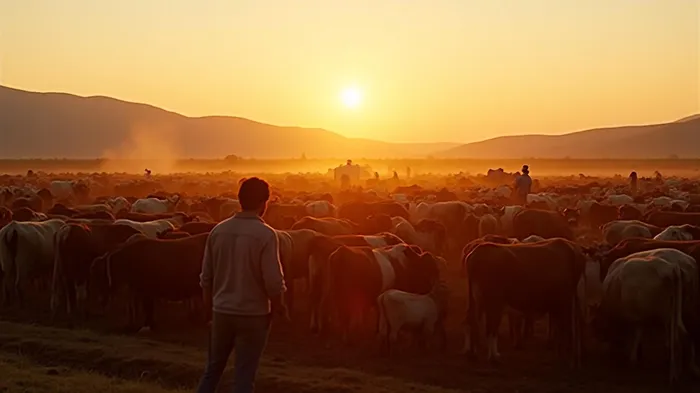
The Supply Crisis: Numbers Don’t Lie
The USDA’s March 2025 report revealed cattle and calves inventories at an 86.7 million head total—down 1% from 2024 and the lowest since 1959. The beef cow herd, a critical indicator of future supply, is now at 27.9 million head, its lowest level since 1947. With heifer retention rates stagnant and feedlots already struggling to secure livestock, the mathMATH-- is clear: fewer cattle mean less beef, and higher prices at the futures desk.
The U.S. ban on Mexican livestock imports (effective May 11, 2025) compounds this scarcity. While Mexico’s exports to the U.S. were modest (5-7% of annual placements), the move underscores a broader risk: invasive species like the New World Screwworm are forcing border controls that could disrupt cross-border supply chains permanently. This isn’t just a temporary tariff dispute—it’s a structural shift in how the U.S. manages its livestock security.
Demand Drivers: Cash Prices at Records, Grilling Season Looms
The bullish case isn’t just about scarcity—it’s about cash prices hitting 10-year highs and packer margins expanding. As of May 2025, fed cattle in Texas are trading at $165/cwt, up 15% year-over-year. Packers like Tyson Foods (TSN) and JBS are already pricing in higher costs, but the real fireworks come this summer.
Grilling season (June–August) is the single largest demand driver for beef. With inflation pinching household budgets, consumers will prioritize protein—beef’s versatility and affordability make it a go-to. Meanwhile, packers are aggressively bidding for livestock, knowing that underfilled feedlots and thin inventories mean they’ll pay whatever it takes to keep lines running.
Technical Overcorrections: Buy the Dip
Futures have surged 25% since early 2024, but a recent pullback (driven by short-covering and profit-taking) has created a golden entry point. The May 16 USDA report—due to confirm another inventory decline—will likely trigger a snapback rally. Here’s the setup:
- Entry: Go long CME live cattle futures at $160/cwt.
- Stop-Loss: Below $155/cwt (the recent low).
- Target: $175/cwt by mid-June, with upside to $185 if the July inventory report confirms herd shrinkage.
The RSI (14-day) is now at 45—below oversold territory, suggesting a healthy correction. A break above $165 will signal a resumption of the uptrend.
The Final Catalyst: July’s Reinstated Herd Report
For the first time since 2024, the USDA will release its mid-year cattle inventory data on July 25, 2025. Analysts expect another 1-2% decline in total herds, but the real story is the beef cow herd—already at historic lows. If the data confirms further liquidation, futures could surge as traders price in 2026 shortages.
Risk Management: Stay Aggressive, Stay Disciplined
This is a high-reward, high-risk trade. The U.S.-Mexico trade relationship remains volatile, and a sudden thaw in Screwworm containment could ease supply fears. However, the fundamentals are too strong to ignore: cash prices are set, demand is seasonal, and inventories are irrevocably small.
For traders, this isn’t just about futures—it’s about owning the structural bullishness in protein markets. Pair your long futures position with a short in corn (CME corn futures) to hedge feed cost risks. And remember: the next 60 days could be the last chance to enter before grilling season fireworks.
Final Call to Action
The window to capitalize on this historic supply-demand imbalance is narrowing. With the May USDA report due May 16 and July’s inventory data as a second catalyst, now is the time to:
- Go Long CME live cattle futures at $160/cwt.
- Set stops below $155/cwt.
- Target $175–$185/cwt by summer.
Don’t miss the chance to ride the beef boom—this could be the trade of the year.







Comentarios
Aún no hay comentarios