
The Buffett Indicator at 222%: A Tipping Point for AI-Driven Valuation Extremes
The Buffett Indicator, a metric that compares the total U.S. stock market capitalization to GDP, according to market analysis. This level, , signals a market that is "significantly overvalued" relative to economic fundamentals as data shows. The indicator's surge to such extremes-surpassing even the peaks of the 2000 dot-com bubble-raises urgent questions about the sustainability of current valuations, particularly in the context of AI-driven speculation. For value investors, this represents a critical juncture where caution must prevail over euphoria.
AI as the Catalyst for Valuation Extremes
The Buffett Indicator's record high is largely attributable to the AI sector's meteoric rise. Megacap tech firms, including the so-called "" (Apple, AmazonAMZN--, Alphabet, MetaMETA--, MicrosoftMSFT--, NvidiaNVDA--, and Tesla), according to industry reports. These companies have attracted speculative capital flows fueled by optimism about AI's transformative potential, even as tangible returns on large-scale AI investments remain elusive as market analysis indicates. For instance, as industry data shows.
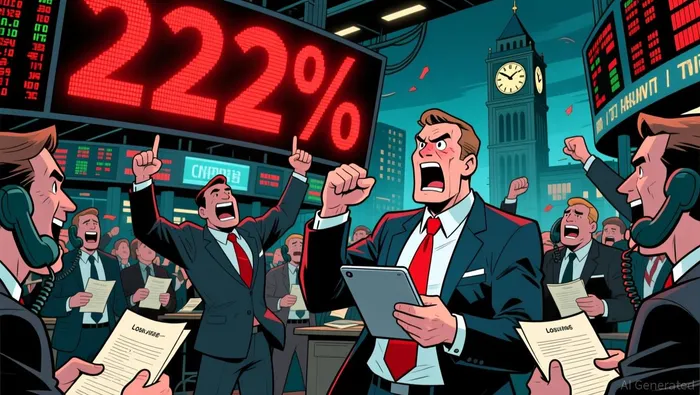 The speculative fervor extends beyond the Magnificent 7 to emerging AI-driven sectors like robotics, autonomous vehicles, and AI infrastructure. Major tech firms have collectively invested $400 billion in AI infrastructure, while private startups with no minimum viable product (MVP) have raised substantial funding according to financial reports. This dynamic has created a "circular financing" model, where tech giants invest in startups that later return capital to the same companies, artificially inflating valuations as market commentary suggests. Such practices starkly contrast with value investing principles, which prioritize earnings, cash flow, and economic moats over speculative narratives.
Value Investing Critiques and Warren Buffett's Caution
Warren Buffett himself has sounded alarms about the current market environment. At 95 years old, according to market analysis. This strategic shift underscores a growing skepticism toward AI-driven valuations, particularly in the absence of proven revenue sustainability. Value investors argue that the Buffett Indicator's warning is amplified by the lack of fundamental support for AI stocks. For example, debt investors have grown wary of financing AI startups, with some A.I.-fueled companies facing high interest rates due to their unproven business models as financial data shows.
Risks and the Path Forward
The risks of AI-driven overvaluation are compounded by external factors. Regulatory scrutiny is intensifying, with global competition-such as China's emergence as a leader in lower-cost AI models-threatening the long-term durability of U.S. tech valuations as market analysis indicates. Additionally, a slowing global economy raises questions about the ability of AI-driven companies to sustain growth. As one analyst notes, "the Buffett Indicator is a warning sign for investors who ignore fundamentals in favor of hype" as financial commentary suggests.
For value investors, the path forward demands a return to disciplined analysis. While AI's potential is undeniable, the current valuation extremes suggest a market driven more by speculation than by economic reality. Investors must weigh the risks of overvaluation against the long-term promise of AI, prioritizing companies with strong balance sheets and verifiable returns over speculative bets.
Conclusion
The Buffett Indicator's record 222% reading is not merely a statistical anomaly-it is a stark reminder of the dangers of speculative excess. As AI-driven valuations reach unprecedented heights, the principles of value investing offer a necessary counterbalance. Warren Buffett's cautionary actions and the critiques of market fundamentals serve as a guide for investors navigating this volatile landscape. In an era of AI euphoria, the Buffett Indicator's warning is clear: prudence, not speculation, should define the investment strategy.







Comentarios
Aún no hay comentarios