
Buffett's Bullish Bet on Japan's Trading Houses
Generado por agente de IAWesley Park
sábado, 22 de febrero de 2025, 10:33 am ET1 min de lectura
Warren Buffett, the renowned investor and CEO of Berkshire Hathaway, has expressed his confidence in the Japanese trading houses, revealing that his company will continue to increase its investment in these firms. In his annual letter to shareholders, Buffett highlighted the attractive valuations, diversified portfolios, and long-term growth prospects of these companies, which have led him to boost his stakes in each of the five major Japanese firms to 7.4%. Berkshire Hathaway's investment in these trading houses, which includes Itochu, Marubeni, Mitsubishi, Mitsui, and Sumitomo, is a testament to Buffett's faith in the Japanese economy and his commitment to long-term investing.

Buffett's investment strategy aligns with his value-oriented approach, focusing on companies with strong fundamentals and attractive valuations. The Japanese trading houses, with their diversified portfolios and long-term investments, fit this criterion. These companies, known as sogo-shosha, trade in a wide range of products and materials, helping to drive Japan's economic growth. Their diversified operations and extensive networks make them well-positioned to weather economic downturns and capitalize on growth opportunities.
Buffett's decision to increase his investment in these companies comes despite the recent market volatility and geopolitical uncertainties. His confidence in the Japanese trading houses is a reflection of his long-term perspective and his belief in the potential for these companies to generate significant value for shareholders. Buffett's willingness to invest in these companies, despite their complex operations and growing exposure to overseas risks, underscores his commitment to value investing and his ability to identify opportunities in diverse markets.
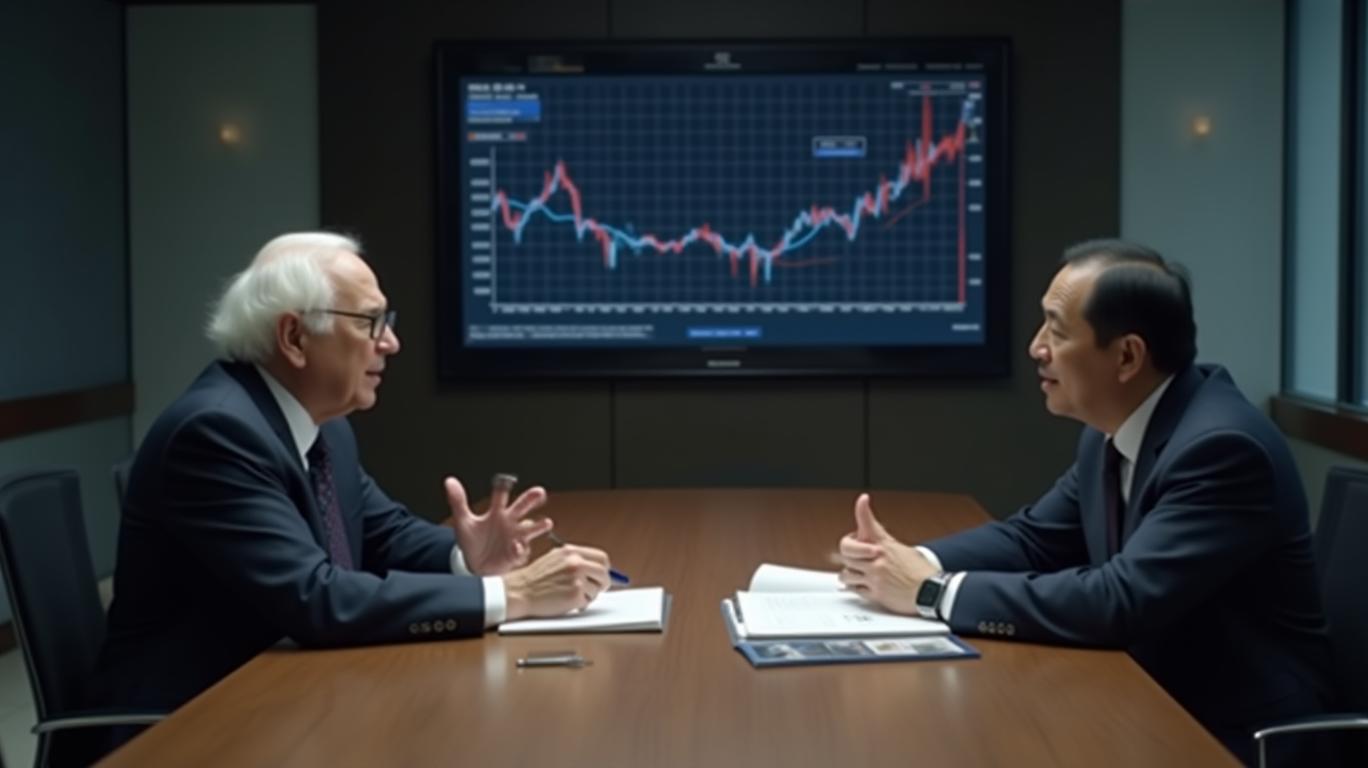
Buffett's investment in the Japanese trading houses also highlights his support for the improving economic outlook and a more shareholder-friendly regime in Japan. The recent changes in corporate governance, such as increased board diversity and the influence of Hiromi Yamaji, the head of the Japan Exchange Group, have made Japanese companies more attractive to foreign investors like Buffett. Buffett's investment in these companies is a vote of confidence in the Japanese economy and a sign of his commitment to long-term investing in the region.
In conclusion, Warren Buffett's decision to continue increasing his investment in Japan's trading houses is a testament to his faith in the long-term growth prospects of these companies and his commitment to value investing. Buffett's investment strategy, which focuses on companies with strong fundamentals and attractive valuations, has led him to identify the Japanese trading houses as an attractive opportunity. As the Japanese economy continues to recover and the corporate governance environment improves, investors can expect Berkshire Hathaway to maintain its bullish stance on these companies and continue to increase its investment in the region.



Divulgación editorial y transparencia de la IA: Ainvest News utiliza tecnología avanzada de Modelos de Lenguaje Largo (LLM) para sintetizar y analizar datos de mercado en tiempo real. Para garantizar los más altos estándares de integridad, cada artículo se somete a un riguroso proceso de verificación con participación humana.
Mientras la IA asiste en el procesamiento de datos y la redacción inicial, un miembro editorial profesional de Ainvest revisa, verifica y aprueba de forma independiente todo el contenido para garantizar su precisión y cumplimiento con los estándares editoriales de Ainvest Fintech Inc. Esta supervisión humana está diseñada para mitigar las alucinaciones de la IA y garantizar el contexto financiero.
Advertencia sobre inversiones: Este contenido se proporciona únicamente con fines informativos y no constituye asesoramiento profesional de inversión, legal o financiero. Los mercados conllevan riesgos inherentes. Se recomienda a los usuarios que realicen una investigación independiente o consulten a un asesor financiero certificado antes de tomar cualquier decisión. Ainvest Fintech Inc. se exime de toda responsabilidad por las acciones tomadas con base en esta información. ¿Encontró un error? Reportar un problema


SOBRE NOSOTROS
Nuestra historiaAutores de noticiasBase de conocimientosPolítica de privacidadTérmino de usoDescargo de responsabilidad de corretaje de tercerosTérminos de uso de AIMEDivulgaciones de riesgos de AInvest AICarrerasCONTÁCTENOS
Email: support@ainvest.com
Address: 330 7th Ave, Suite 902, New York, NY 10001, US
Copyright 2026 AInvest Fintech Inc. All rights reserved.


Comentarios
Aún no hay comentarios