
Bristol Myers' Strategic Divestiture in China: Financial and Operational Implications for BMS and Hillhouse Capital
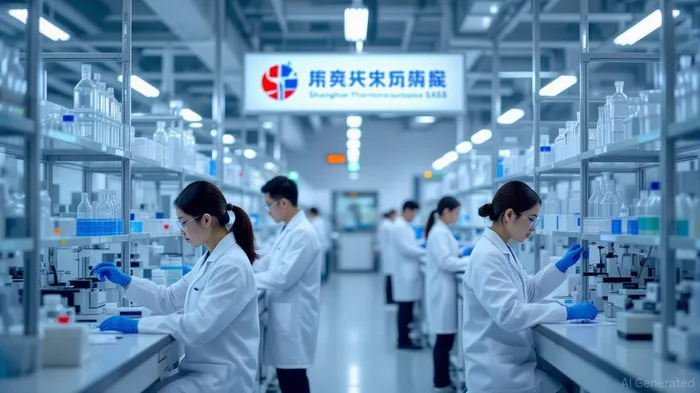
Bristol Myers Squibb (BMS) has concluded a landmark transaction by selling its 60% stake in Sino-American Shanghai Squibb Pharmaceuticals (SASS), the first U.S.-China pharmaceutical joint venture established in 1982[1]. This move, part of BMS's broader strategy to reallocate resources toward innovative therapeutics, marks a pivotal shift in the biopharma industry's evolving landscape in China. The transaction, though financially undisclosed, carries significant implications for both the seller and the buyer—Hillhouse Capital—while reflecting broader trends in global pharmaceutical restructuring.
Strategic Realignment for BMS: Focus on Core Innovation
BMS's decision to divest its stake in SASS aligns with its long-term strategy to prioritize high-growth areas such as oncology and immunology[2]. The joint venture, which primarily manufactured off-patent drugs like Baraclude and Bufferin, represented a legacy business segment that no longer aligned with BMS's innovation-driven roadmap[3]. By exiting this non-core operation, BMS aims to streamline its global supply chain and redirect capital toward R&D for cutting-edge therapies.
According to a report by FiercePharma, the sale does not impact BMS's core innovative drug business in China, which includes high-margin products like Opdivo and Eliquis[4]. This strategic pivot mirrors industry-wide trends, as companies such as UCB and Sandoz have similarly divested legacy assets in China to focus on high-value therapeutics[5]. For BMS, the transaction ensures long-term supply reliability for its core portfolio while mitigating exposure to price pressures in China's mature drug market[6].
Hillhouse Capital's Operational Playbook: Scaling Legacy Assets
While BMS has not officially confirmed the buyer, internal communications and industry analysis point to Hillhouse Capital, a prominent Asian investment firm with a track record in healthcare investments[7]. Hillhouse's acquisition of SASS's 58,000-square-meter Shanghai facility and its portfolio of off-patent drugs positions the firm to capitalize on China's growing demand for affordable generics[8].
Hillhouse's strategy appears to focus on leveraging SASS's established infrastructure to enhance operational efficiency and expand market share in China's generic drug sector. Recent acquisitions by Hillhouse, such as SK Ecoprime (a biofuel producer) and InCorp (a Singapore-based accounting firm), underscore its preference for high-margin, growth-oriented assets[9]. By integrating SASS into its healthcare portfolio, Hillhouse aims to strengthen its foothold in China's pharmaceutical market, which is projected to grow at a 7% CAGR through 2030[10].
Financial Implications: Uncertainty and Strategic Value
The undisclosed financial terms of the transaction have sparked speculation about its valuation. However, industry benchmarks suggest that legacy pharmaceutical assets in China typically trade at 8–12 times EBITDA[11]. Given SASS's historical significance and its role in supplying essential medicines, the transaction likely commanded a premium. For BMS, the lack of disclosed financial details aligns with its policy of non-disclosure for such transactions[12].
From Hillhouse's perspective, the acquisition represents a low-risk entry into a stable asset with predictable cash flows. The firm's recent fundraising for an $8 billion global buyout fund, with a $1 billion GP commitment, further signals confidence in its ability to scale SASS's operations[13].
Broader Industry Trends: A Shift in Global Pharma Strategy
BMS's divestiture reflects a broader industry trend of multinational pharmaceutical companies exiting non-core markets in China. This shift is driven by factors such as national insurance price cuts, regulatory pressures, and the need to prioritize innovation[14]. For instance, UCB's $680 million sale of its mature neurology and allergy business in China in 2023 highlights the sector's realignment[15].
Conclusion: A Win-Win in a Transforming Market
BMS's divestiture of SASS and Hillhouse's acquisition exemplify a strategic realignment in the biopharma sector. For BMS, the move reinforces its commitment to innovation while mitigating risks in a competitive market. For Hillhouse, the acquisition offers a scalable platform to capitalize on China's generics demand. Together, these actions underscore the evolving dynamics of global pharmaceutical investment, where legacy assets are increasingly viewed as opportunities for private equity firms rather than core growth engines for multinational corporations.





Comentarios
Aún no hay comentarios