
Brent Crude and Geopolitical Risk Premiums: Navigating the Israel-Iran Conflict in Energy Markets
The Israel-Iran conflict has entered a new phase, with recent Israeli airstrikes on Iranian nuclear and military targets sparking fears of a broader regional war. This geopolitical volatility has sent oil prices soaring, with Brent crude surging over 10% in a single day and analysts warning of potential spikes to $90–$100 per barrel if tensions escalate further. For investors, the question is clear: How does this geopolitical risk premium reshape energy markets, and where should capital flow to capture—or hedge against—these dynamics?
The Immediate Impact: Oil Prices and Market Psychology
The conflict's first-order effect has been a sharp rise in oil prices, driven by fears of supply disruptions. Brent crude jumped to $73.52 per barrel, its highest since January, while WTIWTI-- futures approached $71.40—both marking their largest daily gains since 2022. This volatility stems from two interconnected risks:
Strait of Hormuz Chokehold:
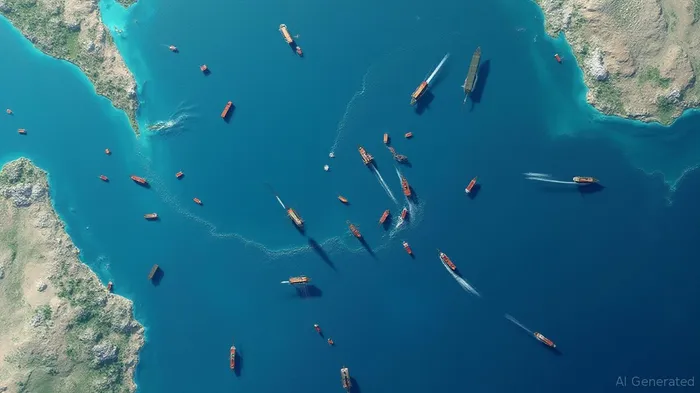
The strait, through which 20% of global oil exports flow, remains open but under immense geopolitical pressure. Even the threat of its closure—via Iranian mining or missile attacks—has triggered a risk premium in oil pricing. Analysts at Goldman Sachs estimate that a full blockade could push prices above $100 per barrel, while JPMorgan warns of a worst-case scenario where prices hit $120–$130.Production Disruptions: Beyond the strait, Iran's potential retaliation—such as targeting Iraqi oil infrastructure—could remove 5–7 million barrels per day from global supplies. This “shadow risk” has already elevated prices, as markets price in the likelihood of such actions without waiting for physical confirmation.
The Geopolitical Risk Premium Explained
The term “geopolitical risk premium” refers to the extra cost investors demand to hold assets exposed to political instability. In energy markets, this premium is now baked into oil prices, even if supply remains intact. Key drivers include:
- Supply Chain Uncertainty: Shipping firms are rerouting tankers away from the Red Sea and Persian Gulf, raising insurance costs and transit times.
- Diplomatic Posturing: U.S. President Trump's warnings of “death and destruction” and Iran's threats to block Hormuz amplify market anxiety.
- Strategic Reserve Limits: While the IEA claims 1.2 billion barrels of emergency stocks exist, OPEC+ argues this is “unnecessary alarmism.” The reality? The U.S. SPR holds only 402 million barrels, enough for 23.8 weeks of net imports—a thin margin in a crisis.
Market Reactions: Winners and Losers
The energy sector is bifurcating into clear winners and losers:
Winners:
- Oil Majors: Firms like Exxon Mobil (XOM) and Chevron (CVX) benefit directly from higher prices. Their stocks rose sharply post-strikes, outperforming broader indices.
- Defense Contractors: Raytheon (RTX) and Lockheed Martin (LMT) gained as investors priced in increased military spending.
Losers:
- Energy-Intensive Sectors: Airlines, shipping companies, and tech firms face margin pressure as fuel costs rise. The Nasdaq fell 1.3% as traders rotated out of growth stocks.
- Gold and Safe Havens: Gold surged to $3,413 per ounce, while the U.S. dollar strengthened slightly—though its safe-haven status remains contested.
Investment Implications: Playing the Geopolitical Premium
Investors must balance short-term volatility with long-term trends. Here's a roadmap:
- Buy Energy Equities:
- Oil & Gas Producers: Firms with low break-even costs (e.g., Pioneer Natural Resources, Continental Resources) are well-positioned to capitalize on sustained price increases.
ETFs: The Energy Select Sector SPDR Fund (XLE) offers diversified exposure to oil majors and service companies.
Hedge with Options:
- Consider call options on oil ETFs (e.g., USO) to profit from further price spikes without full equity exposure.
Put options on tech or travel stocks (e.g., Boeing, Delta Air Lines) to mitigate downside risks.
Monitor Geopolitical Triggers:
A Hormuz closure or Iranian attack on Iraqi oil fields would likely push prices to $100+. Stay alert to real-time developments.
Avoid Overreacting:
- While the risk premium is real, remember that markets often overreact to geopolitical news. Analysts at Enverus argue that “fair value” oil prices remain in the low $80s without physical disruptions.
Conclusion: A Volatile Landscape with Strategic Opportunities
The Israel-Iran conflict has transformed oil markets into a high-stakes arena for geopolitical risk. While prices could stabilize if tensions de-escalate, the risk premium is here to stay unless a diplomatic breakthrough emerges. For investors, this is a time to:
- Lean into energy equities for income and growth.
- Use hedging tools to protect portfolios against volatility.
- Stay informed on Hormuz's status and Iranian retaliation tactics.
The energy sector is now as much a barometer of geopolitics as it is of supply and demand. Navigating this requires both caution and conviction—and a close eye on the Strait of Hormuz.





Comentarios
Aún no hay comentarios