
Brazilian Poultry Exports to China: Trade Reopening Catalysts and Agribusiness Recovery Opportunities
The recent resolution of Brazil's avian influenza (HPAI) outbreak and its subsequent certification as disease-free by the World Organization for Animal Health (WOAH) marks a pivotal moment for global protein markets. With China—a critical importer of poultry—among the final holdouts to reassess its trade restrictions, investors are watching closely as Brazil's poultry sector prepares for a rebound. This article examines the near-term catalysts driving trade reopening, the implications for market share recovery, and how agribusiness equities could benefit from this shift.
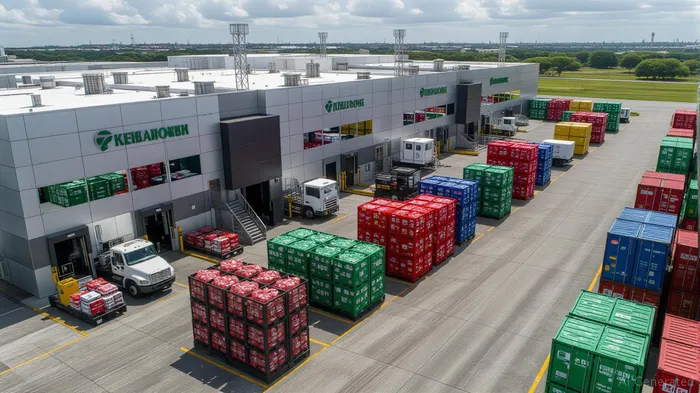
The WOAH Certification: A Game-Changer for Trade Resumption
On June 26, 2025, WOAH officially confirmed Brazil's status as free of HPAIHPAI-- in commercial poultry, following a rigorous 28-day “standstill” period after the outbreak was contained in May 2025. This certification is a critical milestone:
- 17 countries, including Japan (Brazil's third-largest market), have already lifted bans, while China and the EU remain under negotiation.
- Brazil's swift containment—destroying infected flocks, disinfecting facilities, and adhering to traceability protocols—has been praised as a model response.
This data shows Brazil's export resilience despite regional outbreaks, underscoring its structural advantages in scale and biosecurity.
China's Import Resumption: Key Catalysts and Timeline
China's suspension of Brazilian poultry imports in May 2025 disrupted a critical market, but bilateral diplomacy and WOAH's seal of approval now create urgency for a resolution:
1. Technical Grounds Removed: WOAH's certification eliminates China's ability to justify a ban based on disease risk.
2. Market Pressure: China's poultry production faces its own HPAI challenges, with 2025 outbreaks in key provinces. Brazilian imports could fill the protein supply gap.
3. Negotiation Leverage: Brazil has offered to regionalize restrictions, allowing imports from states unaffected by the outbreak (e.g., São Paulo and Paraná).
Near-Term Timeline:
- July 2025: Brazil's Ministry of Agriculture anticipates China will lift bans if no new outbreaks emerge.
- August 2025: Potential for phased reopening starting with processed poultry (e.g., frozen chicken), followed by live birds.
Market Share Recovery: A Windfall for Exporters
Brazil's poultry sector, the world's largest exporter (5.29 million tons in 2024), stands to regain lost market share:
- China's Demand: Pre-ban, China imported ~100,000 tons annually from Brazil. Competitors like Thailand and the U.S. may struggle to match Brazil's price and volume.
- Global Protein Shifts: HPAI has disrupted global supplies, with U.S. inventories down 15% YTD. Brazil's rapid recovery positions it to capture share in Asia and Europe.
This chart highlights the correlation between BRF's equity performance and export trends, suggesting upside if trade resumes.
Investment Implications: Agribusiness Equities to Watch
The reopening of trade with China presents a clear investment opportunity in export-driven poultry firms:
1. BRF (BRFS3.SA): Brazil's largest poultry exporter, with 30% of sales to Asia. Shares have underperformed amid the ban but could rebound 20–30% if China's imports resume.
2. JBS (JBSS3.SA): A global protein leader with poultry operations in key export regions. Strong cash flows and scale make it resilient to volatility.
3. ETF Plays: Investors can gain exposure via agribusiness ETFs like the Teucrium Soybean Fund (SOY) or the Invesco Global Agriculture ETF (彭博 agriculture ETF), though sector-specific equities offer higher leverage.
Risk Factors:
- New Outbreaks: Brazil's status hinges on maintaining zero cases.
- Trade Negotiations: China could delay due to non-sanitary factors like tariffs or geopolitical tensions.
Conclusion: Position for a Poultry Recovery Cycle
The combination of WOAH certification, China's protein deficit, and Brazil's operational excellence creates a compelling case for a rebound in poultry exports. Investors should prioritize companies with direct exposure to Chinese trade flows, such as BRFBRFS-- and JBSJBS--, while monitoring diplomatic progress. With global protein prices elevated and supply chains strained, Brazil's poultry sector is poised to lead a recovery cycle—making now an opportune time to position for upside.
This data underscores Brazil's potential to regain its pre-ban position, offering a clear path to revenue growth for exporters.





Comentarios
Aún no hay comentarios