
Brazilian Banking Power Play: BRB’s Bold Move to Swallow Banco Master
The Brazilian court’s decision to lift the block on state-owned Banco deDE-- Brasília (BRB) acquiring Banco Master SA is a seismic shift in Latin America’s banking landscape. This merger, valued at R$2 billion ($360 million), could create Brazil’s ninth-largest lender by loans overnight—but it’s also a high-stakes gamble with systemic risks. Let’s break down why this deal matters, the hurdles left, and what investors should watch.
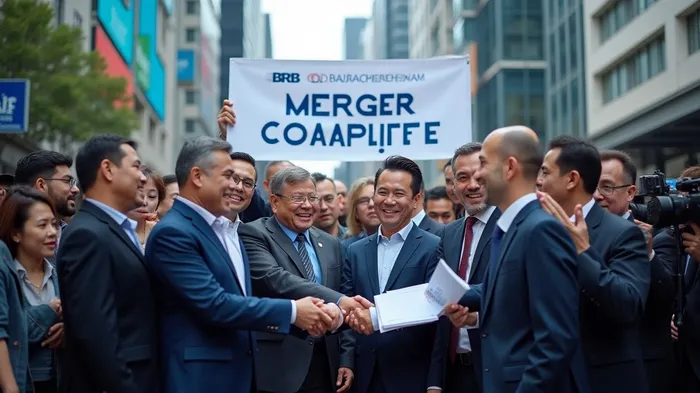
The Court’s Green Light, But with Caveats
On May 7, 2025, Federal Judge Carlos Fernando Fecchio dos Santos cleared the way for BRB to proceed with the acquisition after initially blocking it in March. The judge’s prior concerns centered on legal non-compliance—BRB failed to secure mandatory shareholder approvals and legislative sign-offs. However, the court permitted preparatory steps like due diligence to continue, and now the final deal is moving forward.
But don’t pop the champagne yet. The merger still needs Central Bank and antitrust approvals, and regulators are laser-focused on Banco Master’s R$23 billion in risky assets, including speculative government debt claims (precatórios) and equity stakes in distressed firms like Metalfrio. These assets are being excluded from the deal, but their offloading to investors like BTG Pactual is still pending.
Watch how BRB’s shares react to these regulatory milestones. A dip post-announcement might signal investor nervousness about risks, while a surge could reflect confidence in the merger’s strategic value.
Why This Deal is a Gamble—But a Calculated One
The Upside:
- Scale & Synergy: BRB’s stable, low-cost funding (89% of Brazil’s CDI benchmark) could stabilize Banco Master’s higher-cost retail deposits (120% of CDI). Combining BRB’s R$55.4 billion in assets with Banco Master’s R$51 billion would create a lender with R$106 billion in assets, vaulting it into Brazil’s top 10.
- Geographic Reach: Banco Master’s strong presence in Brazil’s southeast complements BRB’s Federal District stronghold, expanding market share.
The Downside:
- Systemic Risk: Banco Master’s reliance on the Credit Guarantee Fund (FGC)—which insures deposits up to R$50 billion—is a ticking time bomb. If Banco Master collapses, the FGC could face liabilities exceeding its liquidity, destabilizing Brazil’s banking sector.
- Governance Concerns: BRB will own 58% of Banco Master’s capital but only 49% voting shares, leaving founder Daniel Vorcaro with 51% control. This structure risks misaligned incentives and accountability gaps.
Market Impact: A Double-Edged Sword
- Competition: Rivals like Santander and Itaú may view this as a move to consolidate regional influence, but the merger’s success could redefine Brazil’s banking hierarchy.
- Investor Sentiment: The deal’s approval could spark a rally in mid-cap Brazilian financials, but Banco Master’s 140% CDI rate offerings—far above industry norms—raise red flags about liquidity risks.
Regulatory Crossroads: The Final Hurdles
- Central Bank Scrutiny: Will regulators greenlight the deal given Banco Master’s R$50 billion in deposits (nearly half the FGC’s liquidity)? The bank’s 2023 reforms already capped FGC coverage at 80% of deposits—a limit Banco Master may exceed.
- Asset Sales: The offloading of R$10–15 billion in non-core assets must be finalized to reduce BRB’s risk exposure. Delays here could derail the merger.
- Audit Results: Due diligence findings, expected by late May, will determine if the final price drops below R$2 billion.
What to Do Now
- Buy the Dip: If BRB’s stock corrects post-announcement due to regulatory uncertainty, this could be a buying opportunity—provided the Central Bank approves the deal.
- Stay Cautious on Banco Master: Investors in Banco Master’s CDBs (certificates of deposit) should brace for volatility. A failed merger could force asset sales at distressed prices.
- Watch the FGC: If the Credit Guarantee Fund’s exposure to Banco Master triggers broader liquidity fears, it could spook the entire banking sector.
Final Analysis: A Risky Gamble Worth Watching
The Brazilian court’s decision to lift the block is a huge win for BRB, but the real test comes next. The merger’s success hinges on regulators approving a structure that mitigates systemic risks, and on Banco Master’s risky assets being offloaded without incident.
The Numbers:
- If approved, the combined entity’s R$106 billion in assets would rival mid-sized banks like Banco Pan.
- A worst-case scenario—Banco Master’s collapse—could cost the FGC up to R$50 billion, destabilizing Brazil’s financial safety net.
This is a must-watch situation for investors in emerging markets. BRB’s stock could surge if regulators bless the deal, but a misstep here could sink more than just the merger—it could shake investor confidence in Brazil’s banking sector for years.
Action Alert: Keep an eye on BRB.BR’s stock and the Central Bank’s next moves. This isn’t just about two banks—it’s about whether Brazil can balance growth and risk in its financial system.
Conclusion: The BRB-Banco Master deal is a high-stakes bet with massive rewards for Brazil’s banking sector—if it succeeds. Investors should prioritize regulatory approvals and asset sales progress over optimism. For now, it’s a “hold” until the smoke clears, but if this goes south, buckle up.







Comentarios
Aún no hay comentarios