
Brazil's Monetary Policy Pivot: A Bond Market Turning Point
The Brazilian Central Bank's decision to raise the SELIC rate to 14.75% in May 2025 marks the sixth consecutive hike, signaling the final throes of a historic tightening cycle. With inflation easing slightly to 5.4% year-on-year and global growth risks clouding the outlook, the stage is set for a policy pivot. For fixed-income investors, this juncture presents a rare opportunity: the end of rate hikes and the potential for gradual cuts by year-end could drive a steepening yield curve and create a tactical entry point for Brazilian bonds. Despite lingering fiscal risks, the mispricing of short-dated debt offers asymmetric rewards.
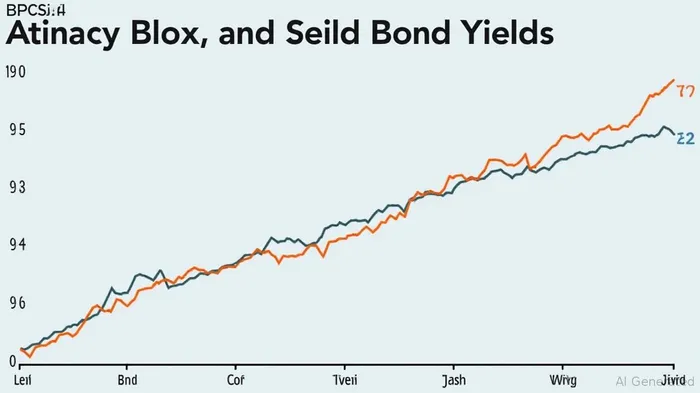
Monetary Policy at the Tipping Point
The Central Bank's June meeting will likely cap the tightening cycle with a final 25–75 basis point hike, contingent on inflation data. Current projections show the IPCA inflation rate easing to 5.1% by year-end, within the upper bounds of the 3% target corridor. Governor Roberto Campos Neto's data-driven approach prioritizes anchoring inflation expectations while balancing growth concerns. With the economy projected to grow just 2% in 2025—below the 3% trend of recent years—the central bank's tolerance for easing is rising.
Inflation Dynamics: The Tide is Turning
The May IPCA-15 reading of 5.4% reflects persistent cost pressures from domestic wage growth and global commodity prices. However, the 14.75% SELIC rate has already begun to dampen demand. The March Focus Report's downward revision of inflation expectations to 5.53% underscores market confidence in the central bank's resolve. A stronger Brazilian real—up 8% against the dollar year-to-date—also eases imported inflation. While risks remain from supply-side bottlenecks, the trajectory is clear: inflation will trend downward in 2025, paving the way for rate cuts by early 2026.
Fiscal Risks: Overblown or Underappreciated?
Brazil's public debt-to-GDP ratio is projected to hit 92% in 2025 and climb to 99.4% by 2030 (per IMF estimates). Yet, the market's reaction to this debt burden is already priced into bond yields. The NTN-B 10-year bond currently offers a 7.8% yield—higher than its 5.5% inflation-linked counterpart in 2020—reflecting both fiscal anxieties and real yield premiums. However, the near-term fiscal outlook is less dire than headlines suggest. The government's Q1 primary surplus of 54.5 billion reais, though reliantRAYD-- on delayed payments, buys time for structural reforms. The real test comes in 2026, but investors need not wait: the yield curve's steepness offers a buffer against near-term volatility.
The Yield Curve's Mispricing: A Tactical Edge
The bond market has yet to fully price in the end of rate hikes. The 2-year NTN-B yield remains elevated at 12.5%, reflecting fear of further tightening. In contrast, the 10-year NTN-B trades at 7.8%, implying a 4.7% real yield—far above the central bank's 3% inflation target. This disconnect creates an opportunity: as the SELIC peaks, short-dated bonds will benefit most from yield compression. A 50 basis point cut by year-end could push the 2-year NTN-B yield down to 11%, offering a 12% total return.
Investment Strategy: Overweight Short-Dated Debt
- Focus on Maturity: Prioritize bonds maturing within 1–3 years, such as the NTN-B 2028 series, which currently yields 8.09%. Their sensitivity to rate cuts will amplify returns as the policy stance shifts.
- Avoid Duration Risk: Steer clear of long-dated NTN-B bonds (e.g., 2045 maturity), where yields of 7.5% already embed aggressive inflation expectations.
- Monitor Fiscal Triggers: Keep an eye on the June SELIC decision and the IMF's June inflation report. A dovish signal could accelerate the yield decline.
Conclusion: Act Now Before the Curve Steepens
The confluence of a peaking SELIC rate, easing inflation, and a mispriced yield curve creates a compelling case for overweighting Brazilian fixed-income assets. While fiscal risks loom in the medium term, the near-term catalysts—monetary policy normalization and real yield compression—favor investors who act decisively. The time to position for Brazil's bond market rebound is now.







Comentarios
Aún no hay comentarios