
Brazil's Commodity Fortunes in the Crossfire: A Strategic Pivot East?
The U.S. imposition of a 50% tariff on all Brazilian imports, effective August 2025, has thrust Brazil into a geopolitical and economic crossroads. Yet, beneath the surface of diplomatic tension lies a compelling investment narrative: Brazil's strategic commodity dominance—soy, iron ore, and rare earths—positions it to thrive as a linchpin of global supply chains. With President Lula doubling down on BRICS integration and Asian diversification, the tariffs may accelerate Brazil's evolution into a geopolitical multipolar player, offering investors asymmetric opportunities in agribusiness, mining, and infrastructure.
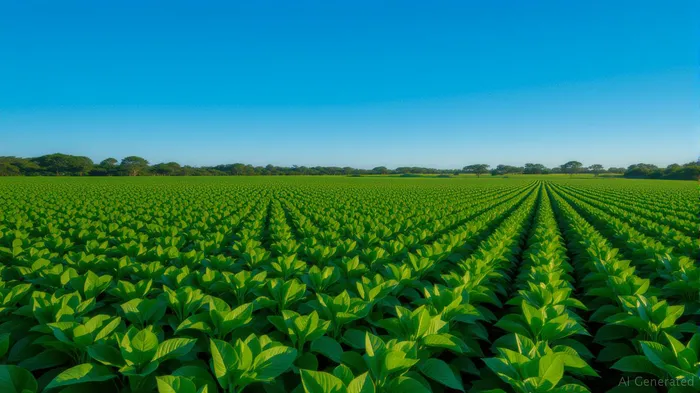
Commodity Resilience: Brazil's Unmatched Natural Capital
Brazil's economy is structurally tied to commodities that underpin the global economy:
- Soy: The Asian Pivot
- Brazil supplies 60% of U.S. soy imports, but the 50% tariff will force buyers to pivot to Argentina or domestic U.S. production. Meanwhile, China—a buyer of 75.8% of Brazil's soy exports—is primed to absorb redirected shipments.
- Data Watch:
Investment Play: Short soybean futures (ZS) at $13.50/bushel, targeting a rebound to $15.00 as Asian demand stabilizes prices. Aggressive traders might pair this with a long position in the Global X Agriculture ETF (ARCA).
Iron Ore: The Steelmaker's Lifeline
- Brazil's Carajás mine, operated by ValeVALE-- (VALE), dominates global iron ore exports. While U.S. buyers may shift to India or Russia, China's infrastructure boom ensures long-term demand.
- Data Watch:
Investment Play: Accumulate Vale (VALE) below $25/share, leveraging its 3.5% dividend yield and structural demand from Asia.
Rare Earths: The Quiet Frontier
- Brazil's untapped rare earth reserves, particularly in niobium and tantalum, could rival China's dominance in critical minerals. While not explicitly targeted by tariffs, U.S. supply chain diversification efforts may drive investment in exploration.
Geopolitical Realignment: BRICS as a Shield Against U.S. Pressure
President Lula's BRICS pivot—deepening ties with China, India, and Russia—signals a strategic break from U.S. dependency. Key moves include:
- Trade Diversification: Redirecting exports to Asia and securing long-term supply agreements with China under the Belt and Road Initiative.
- Currency Defense: The Brazilian real (BRL) has weakened to R$5.6/$1, but this depreciation boosts export competitiveness.
- Infrastructure Investments: Upgrades to ports (e.g., Port of Santos) and rail networks (CSN Logística) will bolster logistics for Asian markets.
Investment Opportunities: Where to Play Brazil's Resilience
- Commodity-linked ETFs
- Overweight: The iShares MSCI Brazil ETF (EWZ) offers broad exposure to Brazil's commodity-driven economy. Focus on sectors like mining and agriculture.
Underweight: Avoid U.S.-exposed firms (e.g., Vale's U.S. operations) until trade tensions subside.
Equity Picks
- JBS (JBSS): Brazil's beef giant benefits from rising Asian demand.
Vale (VALE): A core holding for iron ore exposure, with a fortress balance sheet.
Currency Hedging
- Pair commodity bets with inverse BRL ETFs like ProShares UltraShort Brazilian Real (BRZS) to mitigate currency volatility.
Risks to the Narrative
- Currency Volatility: The BRL could weaken further to R$6/$1, worsening inflation and import costs.
- Geopolitical Escalation: Brazil's threat to retaliate “in kind” risks a trade war, disrupting supply chains.
- Rare Earths Hype: Brazil's rare earth potential remains underdeveloped; regulatory hurdles and investment gaps could delay commercialization.
Conclusion: Buy the Dip, but Hedge the Dips
The U.S. tariffs are a catalyst for Brazil's strategic rebalancing, transforming it into an Asian-aligned commodity powerhouse. Investors should overweight commodity ETFs and selective equities while hedging currency risks. Near-term volatility is inevitable, but Brazil's agricultural and mineral strengths offer a rare combination of growth and geopolitical insulation.
Final Recommendation:
- Overweight: EWZEWZ--, ARCA, Vale (VALE)
- Underweight: U.S.-exposed Brazilian firms, unhedged BRL exposure
- Hedging Tool: BRZS paired with long positions in commodity ETFs
The next 12 months will test Brazil's resolve, but the long-term trajectory favors those willing to bet on its geopolitical pivot and commodity might.
This analysis is for informational purposes only. Always conduct thorough due diligence before making investment decisions.





Comentarios
Aún no hay comentarios