
Braskem S.A. and the Shadow of Governance Risk: A Cautionary Tale for Investors
The recent securities litigation against Braskem S.A. (NYSE: BAK), spearheaded by the Pomerantz Law Firm, has reignited critical questions about corporate governance, board accountability, and the long-term protection of shareholder value. For investors, the case underscores a recurring theme in global capital markets: the fragile line between corporate resilience and systemic failure.
A Pattern of Governance Vulnerabilities
Braskem's current woes are not isolated. The company's history is marred by a 2015–2018 securities class action and a $957 million settlement with the U.S. Securities and Exchange Commission (SEC) for Foreign Corrupt Practices Act (FCPA) violations. The SEC alleged that Braskem created false books to conceal bribes paid to Brazilian officials, a practice that generated $325 million in illicit profits, according to an SEC enforcement release. As part of the settlement, Braskem agreed to retain an independent corporate monitor for three years-a measure that, in hindsight, may not have addressed deeper cultural issues.
The latest investigation by Pomerantz Law Firm focuses on two recent disclosures. First, in November 2023, Braskem announced a $203 million liability for environmental damages at a rock-salt mine in Maceió, Brazil, triggering a 6.94% drop in its ADR price, according to a Pomerantz shareholder alert. Second, on September 26, 2025, the company revealed it had retained financial and legal advisors to evaluate capital structure alternatives, causing another steep decline of 14.71%, per a Pomerantz investor alert. These events have raised red flags about whether Braskem's leadership adequately disclosed risks or misrepresented its financial health.
Governance Structures: Form vs. Substance
Braskem's corporate governance framework appears robust on paper. The company boasts a Board of Directors with specialized committees, including a Statutory Compliance and Audit Committee tasked with overseeing internal controls and financial reporting, as outlined on Braskem's governance page. It also emphasizes transparency through a Code of Conduct, compliance training, and an Ethics Line for reporting violations, according to Braskem's compliance site. However, the Pomerantz investigation suggests a gap between these formal mechanisms and their practical implementation.
For instance, the November 2023 mine liability disclosure-mandated by Brazilian prosecutors-raises questions about the board's oversight of environmental and operational risks. If Braskem's compliance committees failed to anticipate or mitigate such liabilities, it signals a breakdown in risk management. Similarly, the September 2025 capital structure announcement, which led to a dramatic stock price drop, implies potential misalignment between management's public messaging and private assessments of the company's financial stability.
Shareholder Protections: A Mixed Record
While Braskem adheres to Level 1 governance standards on B3 (Brazil's stock exchange) and complies with IFRS and Sarbanes-Oxley requirements, as described in Braskem's corporate governance overview, its track record in protecting shareholder value remains contentious. The company's 100% tag-along rights for shareholders and independent audit processes are commendable. Yet, the repeated need for regulatory interventions-such as the 2015 FCPA settlement and the current Pomerantz probe-suggests that these safeguards are insufficient to prevent governance lapses.
Investors must also consider the broader implications of Braskem's governance risks. A 2020 class action had already linked unsafe mining practices to a 5.98% share price drop, according to an AP News report, illustrating how operational and ethical missteps can compound into financial crises. The current litigation, if proven, could further erode investor confidence and lead to costly legal settlements or reputational damage.
Investment Implications: Navigating the Risks
For shareholders, the Braskem case highlights the importance of scrutinizing not just financial metrics but also the quality of corporate governance. Key questions include:
1. Board Accountability: Are Braskem's directors truly independent, or do they lack the authority to challenge executive decisions?
2. Internal Controls: How effective are the company's compliance and audit committees in identifying and addressing risks?
3. Transparency: Does Braskem's leadership communicate proactively with investors, or does it obscure uncertainties until forced to act?
The Pomerantz investigation, by focusing on these issues, serves as a litmus test for Braskem's governance reforms. If the firm uncovers evidence of securities fraud or misrepresentation, the fallout could extend beyond legal penalties-potentially triggering a reevaluation of the company's entire risk management strategy.
Conclusion: A Test of Corporate Integrity
Braskem's securities litigation is more than a legal proceeding; it is a case study in the consequences of governance failures. While the company has made strides in formalizing compliance structures, the Pomerantz investigation underscores the need for deeper cultural and operational reforms. For investors, the lesson is clear: governance is not merely a checklist exercise but a continuous commitment to accountability. Until Braskem demonstrates that it can translate its governance policies into consistent, ethical practices, its shareholders-and its stock price-remain at risk.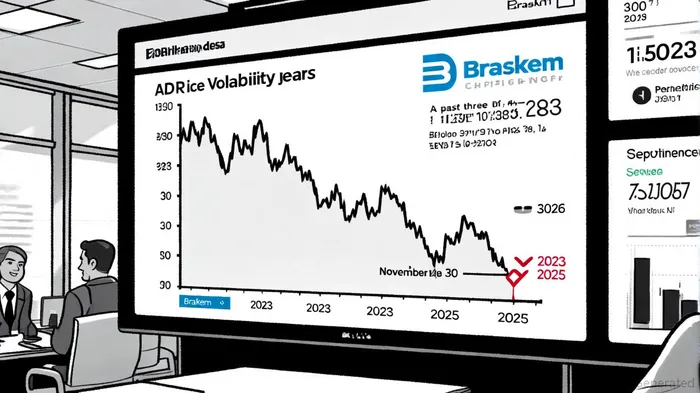





Comentarios
Aún no hay comentarios