
First Brands Founder Sues to Shift Bankruptcy Blame to Lenders
First Brands founder Patrick James has filed a motion asking a judge to dismiss a lawsuit that accuses him of misappropriating hundreds of millions of dollars from the auto-parts supplier before its bankruptcy according to Bloomberg. James, who has denied any wrongdoing, claims that the true source of the company's collapse lies with off-balance-sheet lenders who engaged in "predatory" and "usurious" financing practices as reported. His legal team argues there is insufficient evidence to hold him solely responsible for the company's demise according to the filing.
James's filing highlights the role of external factors such as rising interest rates, tariffs, and the financial burden of off-balance-sheet debt in pushing First Brands to the brink according to analysis. He specifically cited Onset Financial Inc., one of the primary lenders, for allegedly imposing "onerous fees" that resembled a "commercial payday loan" according to claims. Onset has countered these allegations, stating it provided more than $1 billion in funding and that First Brands misrepresented the value of its collateral according to the firm.
One of the largest lenders, Onset Financial Inc., has responded aggressively, calling the fraud allegations from James and his entities "stunning" and vowing to defend its claims in court according to the company. The firm emphasized that it granted three forbearance agreements to First Brands and described its relationship as one of "extraordinary patience and flexibility" according to Onset. According to Onset, the company's management, led by James, repeatedly assured the lender of the firm's sound financial health and the security of its assets according to the lender.
Why the Standoff Happened
The lawsuit centers on claims of financial mismanagement and fraudulent activity by James and former First Brands executives according to reports. Charles Moore, the company's interim CEO, testified that new management uncovered evidence of "massive financial fraud," including fake invoices and double-pledged collateral used to secure additional loans according to testimony. Moore also alleged that James ordered transfers of hundreds of millions of dollars to his personal accounts, a family trust, and other entities under his control according to allegations.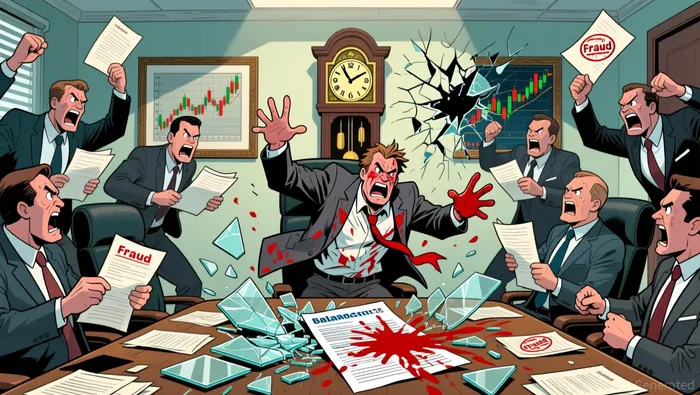
James, however, denied any personal involvement in these activities, stating that First Brands' bankruptcy advisers have not directly linked him to the alleged fraudulent transactions according to James. The legal battle is part of a broader effort by the company to recoup funds for creditors through a fraudulent transfer case according to analysis. These types of lawsuits are common in bankruptcy proceedings and aim to recover assets that were improperly moved before a company's collapse according to legal experts.
What This Means for Investors
The ongoing legal dispute has added uncertainty to First Brands' restructuring process, which includes a $1.1 billion rescue loan according to reports. Last week, the company moved to reassure its lenders after concerns over the loan's viability emerged according to the company. The outcome of the case could have significant implications for creditors and investors, as it may determine whether James or the lenders bear the financial responsibility for the company's downfall according to legal analysts.
Analysts are closely watching the June trial, which will be held in the U.S. Bankruptcy Court for the Southern District of Texas. The court has already scheduled the two-week trial, with the potential for a ruling that could either clear James of responsibility or impose financial penalties. The trial also highlights broader concerns about the risks of off-balance-sheet financing, particularly in industries with volatile economic conditions according to Bloomberg.
Risks to the Outlook
The case has drawn attention to the broader risks of leveraging non-traditional financing models in capital-intensive industries according to analysis. Many auto-parts suppliers rely on off-balance-sheet funding to manage costs and maintain flexibility, but the case of First Brands shows how such arrangements can backfire in times of financial stress according to industry experts. James's claim that the lenders "earned significant amounts of money from their relationships" raises questions about whether the companies were incentivized to continue funding the company despite red flags according to James.
Onset and other lenders argue that their agreements were legitimate and based on assurances from First Brands' management according to the firm. However, with the company now in Chapter 11 bankruptcy, the focus has shifted to accountability and transparency according to legal observers. The outcome of the trial could set a precedent for similar cases in the future and influence how lenders and borrowers approach off-balance-sheet arrangements according to industry experts.







Comentarios
Aún no hay comentarios