
First Brands Execs Invoke Fifth Amid Criminal Probes, Stalling Creditor Push
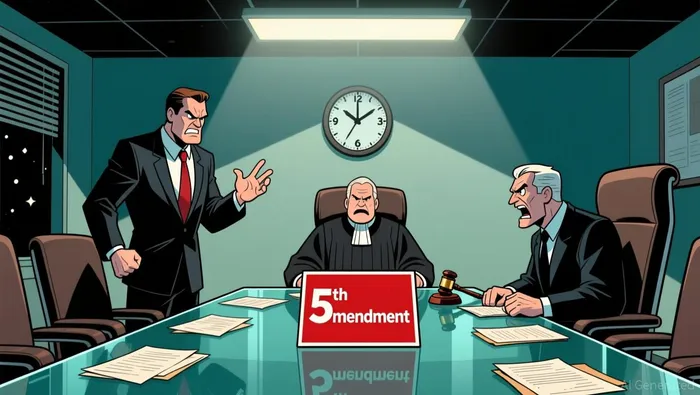
The former finance director of First Brands Group, Nigel Crighton, has signaled he will invoke his Fifth Amendment rights if forced to testify at a creditor deposition in early January, according to a court filing. Crighton's legal team argued that his testimony could incriminate him due to an ongoing federal investigation into the auto parts supplier's bankruptcy. His stance mirrors that of First Brands founder Patrick James, who also resisted a creditors' subpoena on similar grounds according to reports.
The creditor committee is seeking depositions and documents to investigate the circumstances surrounding First Brands' September Chapter 11 filing. Crighton, who left the company on Dec. 12, is among the key figures they aim to question. His lawyers said the risk of prosecution remains high despite his current lack of involvement in the ongoing civil lawsuit against James as reported.
The company, which produces filters, brakes, and lighting systems, is seeking to access $250 million in customer payments currently blocked under Chapter 11 rules according to financial reports. The funds, which stem from fulfilled orders, would bolster its $1.1 billion debtor-in-possession financing and support reinvestment efforts. First Brands has emphasized that all its manufacturing and distribution centers remain operational.
Why the Standoff Happened
Crighton's decision to assert his Fifth Amendment right stems from a parallel criminal investigation by New York federal prosecutors and the SEC as detailed in court filings. His legal team stated that his former role as finance director makes it "all but certain" that he will be named in the government's probe. The company's Chapter 11 filing and the subsequent civil lawsuit have intensified scrutiny of its financial practices and management decisions.
Patrick James, First Brands' founder, has denied wrongdoing and shifted blame to off-balance-sheet lenders, including Onset Financial Inc. according to recent filings. In a recent filing, James accused these firms of predatory lending practices that destabilized the company. He argued that rising interest rates, tariffs, and off-balance-sheet debt costs made First Brands' operations unsustainable. Meanwhile, Onset has claimed the company leased back over $2 billion in assets and insists it is owed significant sums.
The standoff highlights growing tensions between creditors and former management in bankruptcy cases. First Brands' creditors committee is pushing for transparency, while Crighton and James are protecting themselves from potential legal exposure. The judge overseeing the bankruptcy declined to freeze James' assets last month, despite a civil lawsuit accusing him of siphoning hundreds of millions of dollars from the company as reported.
Investors and creditors are closely watching how the case unfolds, as similar legal battles have played out in other recent bankruptcies, such as Tricolor Holdings according to financial news. That firm's CEO was recently charged with fraud for allegedly misrepresenting collateral to multiple lenders. Tricolor's collapse led to significant losses for banks like JPMorgan and Barclays according to financial reports.
What This Means for Investors
For First Brands' creditors and stakeholders, the legal delays and disputes complicate the company's restructuring efforts. The firm's ability to access blocked customer payments could influence its path to financial stability. However, the ongoing investigations into management raise questions about governance and accountability. If criminal charges are filed against Crighton or James, it could further delay the bankruptcy process and reduce trust among investors.
The case also underscores broader risks in off-balance-sheet financing arrangements. First Brands' interim CEO, Charles Moore, testified that former management used fake invoices and double-pledged collateral to secure additional loans according to financial disclosures. These practices have drawn scrutiny from regulators and highlight the need for greater transparency in complex financial structures. For now, the company remains in Chapter 11 with the hope of stabilizing its operations and emerging from the crisis.







Comentarios
Aún no hay comentarios