
Braime Group PLC: A Balancing Act of Debt and Necessity – Is the Roof Project a Lifeline or a Liability?
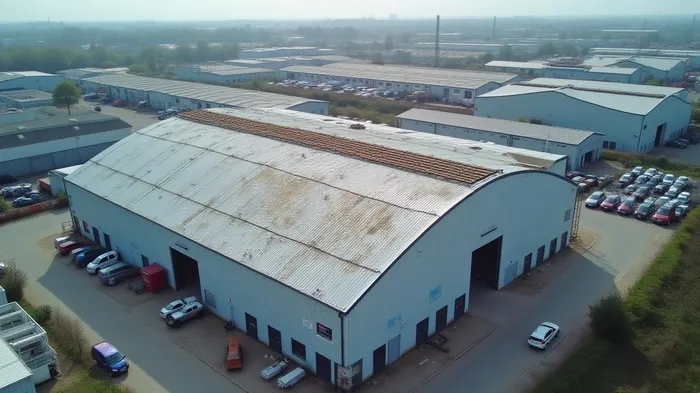
Braime Group PLC's GBP2 million loan to replace its Leeds headquarters' oil can roof has ignited debate over whether the move reflects strategic foresight or a scramble for liquidity. As the company navigates rising costs, declining profits, and a 29% stock price drop over the past year, investors must weigh whether the short-term debt structure poses risks or signals a path to stability.
The Loan's Dual Edged Sword
The loan, secured at 2.5% above the Bank of England's base rate (now 4.25%), carries an annual interest rate of 6.75%—a costly burden for a firm with shrinking cash reserves (£1.9 million in 2024 vs. £2.2 million in 2023). The 18-month maturity date creates urgency: Braime must either complete the roof project swiftly or face refinancing risks in a volatile market.
Critics argue this short timeline exposes liquidity constraints. With pre-tax profits down 4% year-over-year and cash balances falling, Braime's decision to borrow rather than use existing funds suggests limited flexibility. The stock's 18% decline since the project's 2024 announcement underscores investor skepticism about the company's ability to execute without further strain.
Strategic Gamble or Prudent Planning?
Proponents see the loan as a calculated risk. The conversion to a five-year term post-project completion could lock in lower, long-term rates, stabilizing Braime's capital structure. The roof replacement itself—a critical operational necessity—aims to modernize facilities and reduce future maintenance costs, potentially boosting efficiency.
However, the loan's dependency on project completion introduces execution risk. Delays could force Braime into costly short-term extensions or refinancing in a higher-rate environment. The company's Materials Handling division (4B Group) showed growth, but Braime Pressings Limited's revenue dropped 6%, highlighting uneven business performance. Without clearer revenue growth drivers, the roof project's success becomes even more pivotal.
Dividends and the Liquidity Tightrope
Braime's decision to raise dividends despite declining cash balances is perplexing. A 3.4% increase to 15.25 pence per share signals confidence in its financial health, but it also drains liquidity needed for debt servicing. Investors must question whether this prioritizes shareholder returns over operational resilience.
The Bottom Line: Hold or Fold?
Braime Group's stock price decline reflects market anxiety about its ability to manage debt while navigating economic headwinds. The roof project's success hinges on two factors:
1. Timely Completion: Missing the 18-month window could trigger refinancing challenges.
2. Profit Recovery: Without a rebound in margins or new revenue streams, the interest burden will remain unsustainable.
Conclusion: Braime's move is a high-stakes bet. Bulls see a strategic pivot to long-term stability; bears see a liquidity trap. For now, the 29% stock decline has priced in much of the pessimism. Investors with a high-risk tolerance might consider a speculative position, but the safer bet is to wait for clearer signs of project completion and profit recovery. Without those, Braime's roof may end up as a metaphor for its financial ceiling.
Action: Hold only if you're bullish on the project's completion and Braime's ability to renegotiate favorable terms. Otherwise, this remains a risk too great to stomach.







Comentarios
Aún no hay comentarios