
BPM-Agricole Merger Speculation: Strategic Consolidation and Value Creation in the Agrifood Sector
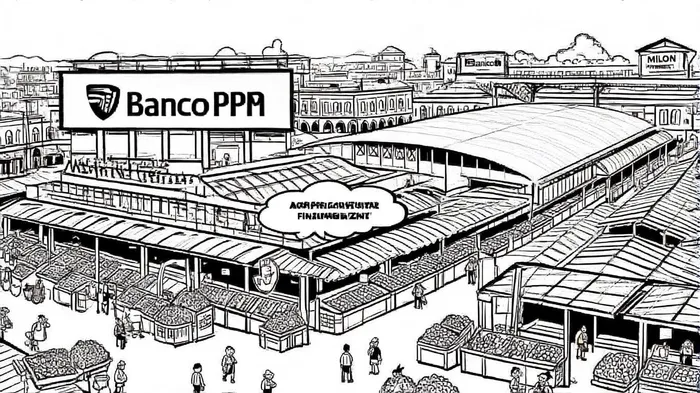
The recent speculation surrounding a potential merger between Banco BPM and Crédit Agricole Italia has sparked significant interest in the banking and agricultural sectors. While the deal's primary focus is on reshaping Italy's fragmented banking landscape, its implications for the agrifood sector are equally profound. By combining Crédit Agricole's deep expertise in agricultural finance with Banco BPM's established presence in Italian agribusiness, the merger could unlock transformative synergies, enhance financial services for farmers and agribusinesses, and drive systemic value creation.
Strategic Rationale: A Tailored Fit for Agrifood Finance
Banco BPM has long positioned itself as a key player in Italy's agrifood ecosystem. For instance, the bank recently facilitated a EUR 67 million loan to So.Ge.Mi for the development of the Milan Agrifood Market, a critical hub for fruit and vegetable commercialization[1]. Additionally, Banco BPM partners with the European Investment Bank (EIB) to provide favorable financing for SMEs and midcaps in agriculture and bioeconomy, including support for young farmers and climate mitigation efforts[1]. These initiatives underscore its commitment to addressing the unique financial needs of the agrifood sector.
Crédit Agricole, meanwhile, brings a complementary strength. As a French institution with a legacy of supporting agriculture, it has pioneered programs focused on climate adaptation, food sovereignty, and generational transitions in farming[4]. Its stake in Banco BPM—now at 19.8% after a series of strategic acquisitions[3]—positions it to deepen this collaboration. A merger would enable the combined entity to offer integrated financial solutions, from crop insurance and working capital loans to long-term investment in sustainable practices.
Synergies and Value Creation: Beyond Scale
The merger's potential to create value lies in its ability to harmonize Crédit Agricole's agrifood expertise with Banco BPM's local market knowledge. Analysts estimate that effective integration could drive earnings per share growth of 4–25%[2], with a significant portion of these gains stemming from the agrifood sector. For example:
- Expanded Product Offerings: Joint ventures in consumer finance and insurance could lead to tailored products for agrifood SMEs, such as weather-indexed insurance or low-interest loans for green technology adoption.
- Cost Rationalization: Shared infrastructure and digital platforms could reduce operational costs, allowing both banks to allocate more resources to sector-specific innovations.
- Market Reach: Crédit Agricole's international network could help Italian agrifood exporters access global markets, while Banco BPM's regional presence ensures localized support for smallholders.
Banco BPM's CEO, Giuseppe Castagna, has emphasized that the merger would benefit the Italian economy[2], a claim reinforced by the bank's Q1 2025 net profit surge of 38% year-over-year[3]. This financial resilience strengthens the case for a merger driven by growth, not survival.
Regulatory and Political Considerations
While the economic logic is compelling, regulatory hurdles remain. Italy's “golden power” rules, designed to protect strategic sectors, require government approval[2]. However, the Italian administration's historical alignment with Crédit Agricole—evidenced by its past rejection of UniCredit's takeover bid on national security grounds—suggests a favorable outlook[1]. The European Central Bank (ECB) has already authorized Crédit Agricole to increase its stake in Banco BPM to 19.9%, signaling regulatory confidence in the partnership[5].
Public sentiment, however, could pose challenges. Concerns about foreign ownership and job losses in local banking may arise, particularly in rural areas reliant on Banco BPM's services. Addressing these fears through transparent communication and community-focused initiatives will be critical to securing approval.
A Model for European Agrifood Finance?
The BPM-Crédit Agricole merger aligns with broader European trends of banking consolidation, driven by the need for scale in a low-interest-rate environment[2]. If successful, the deal could serve as a blueprint for other banks seeking to strengthen their agrifood finance capabilities. For investors, the merger represents a unique opportunity to capitalize on the intersection of financial innovation and agricultural sustainability—a sector poised for growth as global demand for food rises and climate pressures intensify.
Conclusion
The BPM-Crédit Agricole merger is more than a banking consolidation play—it is a strategic alignment of two institutions with complementary strengths in agricultural finance. By leveraging synergies in product development, cost efficiency, and market reach, the combined entity could redefine financial support for the agrifood sector, fostering resilience and innovation. While regulatory and political challenges persist, the economic and strategic rationale for the merger is robust. For investors, this represents a compelling case study in how strategic consolidation can drive value creation in a critical, yet often overlooked, sector of the global economy.







Comentarios
Aún no hay comentarios