
BP's Namibia Oil Discovery: A Game Changer for Offshore Energy Investment?
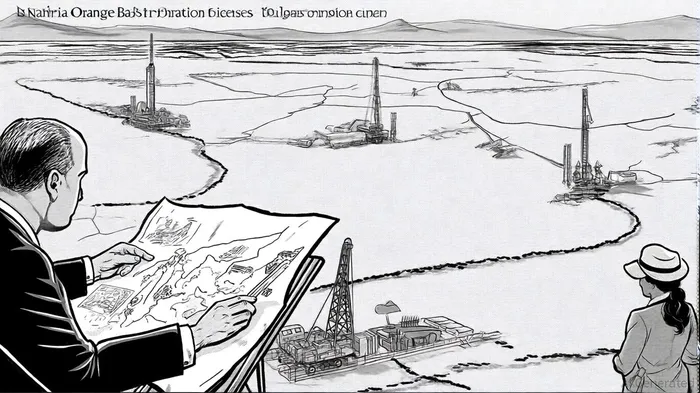
In August 2025, BPBP-- confirmed a transformative hydrocarbon discovery in Namibia's Orange Basin, . , signaling a high-quality resource with significant commercial potential, according to a BP press release. This marks the third major discovery for BP's Azule Energy joint venture in 2025, following the Capricornus-1X light oil find in Namibia and the Gajajeira-01 gas discovery in Angola, as reported in an OilPrice report. The Orange Basin, once a peripheral player in global offshore exploration, is now emerging as a strategic frontier, drawing comparisons to the prolific discoveries made by Shell and TotalEnergies in the region three years prior, as noted in a World Oil article.
Strategic Energy Sector Positioning
The Orange Basin's potential is reshaping the competitive landscape of offshore energy. , according to an Africa Oil+Gas report, the basin aligns with global trends toward deepwater and ultra-deepwater exploration, where conventional onshore plays are increasingly constrained by environmental and political risks. BP's 42.5% stake in PEL85, operated by Rhino Resources, positions it at the forefront of this shift. The company's aggressive exploration strategy-11 discoveries across multiple basins in 2025-underscores its commitment to securing high-impact assets in underpenetrated regions, as observed in the .
Namibia's geopolitical stability and regulatory framework further enhance its appeal. Unlike politically volatile regions such as the Gulf of Mexico or the South China Sea, Namibia offers a predictable environment for long-term investment. The government's ambition to fast-track development, with production potentially commencing by 2029, reflects a rare alignment of corporate and national interests, as reported by Energy Capital & Power. This contrasts sharply with the prolonged permitting delays and infrastructure bottlenecks plaguing projects in the U.S. Gulf Coast or the North Sea.
Risk-Reward Dynamics
While the Orange Basin's potential is undeniable, investors must weigh technical and economic challenges. Deepwater production in the region faces hurdles such as high gas percentages in reservoirs, low rock permeability, and the absence of existing infrastructure, according to Namibia Today. For context, , as reported by SweetCrude Reports. BP's collaboration with Eni and local partners like NAMCOR (10% stake) mitigates some risks, but the project's commercial viability hinges on securing long-term gas offtake agreements and favorable pricing terms.
Environmental and social risks also loom large. Namibia's coastal ecosystems, including UNESCO-protected marine reserves, are vulnerable to oil spills and habitat disruption. Critics argue that the country's reliance on tourism and fisheries could be jeopardized by industrialization, according to a . BP's track record in balancing exploration with sustainability-such as its net-zero by 2050 pledge-will be critical in addressing these concerns.
Market Implications and Future Outlook
From a market perspective, the Volans-1X discovery could catalyze a wave of follow-up drilling in the Orange Basin. With Azule Energy's 50-50 joint venture with Eni targeting a final investment decision by late 2026, the project's timeline aligns with global demand for energy security amid geopolitical tensions in the Middle East and Russia's war in Ukraine. However, , as noted by World Oil.
Conclusion
BP's Namibia oil discovery represents a compelling case study in the evolving risk-reward calculus of offshore energy. While the Orange Basin's resource base and strategic positioning offer a rare combination of scale and accessibility, the project's execution risks-technical, environmental, and economic-cannot be overlooked. For investors, the key question is whether BP and its partners can replicate the success of Brazil's pre-salt fields or face the pitfalls of deepwater ventures like BP's Gulf of Mexico projects. If managed effectively, the Volans-1X well could indeed redefine offshore energy investment, but prudence remains essential in an industry where geological optimism often outpaces commercial reality.





Comentarios
Aún no hay comentarios