
Boxing Day Sales Growth Fueled by Online Shift and Consumer Caution
- UK shoppers are projected to spend £3.8bn on Boxing Day, a 2% year-on-year increase, with online sales growing 3.4% versus 1.5% for physical stores.
- Inflation drives sales value higher while volume decreases, indicating consumers pay more for fewer items despite economic pressures according to market analysis.
- Online spending rebounded sharply pre-Christmas, surging 7.9% year-on-year while in-store sales fell 4.5%.
- Holiday shoppers accumulated more credit card debt, with 37% of Americans owing an average of $1,223 amid higher prices.
Boxing Day 2025 arrives as retailers and consumers navigate a complex economic landscape. Shifting shopping habits and persistent inflation create divergent trends across sales channels. Early data signals cautious spending despite nominal growth figures, with online platforms capturing momentum while physical stores face headwinds. The post-Christmas sales period tests consumer resilience after a holiday season marked by selective purchasing.
How Are Boxing Day Sales Performing in 2025?
Boxing Day sales show modest growth driven primarily by inflation rather than increased consumption. UK spending is expected to reach £3.8 billion, a 2% nominal increase from 2024. However, sales volume actually declines by 0.3% over the Christmas period, revealing consumers get less for their money. This pattern extends Boxing Day trends observed throughout the holidays, where inflation-adjusted retail growth registered just 2.2% according to retail analysis. Shoppers demonstrate heightened price sensitivity, prioritizing gifts over discretionary purchases like home décor which saw minimal growth according to consumer data. The bottom line: nominal gains mask underlying consumer caution.
Payment data reveals troubling financial strain beneath the surface spending figures. Some 37% of American shoppers accumulated holiday debt, averaging $1,223, up from $1,181 last year. Over 60% expect repayment to take three months or longer, while 41% still carry balances from 2024. This debt accumulation occurs despite actual consumer spending growing 3.5% in Q3, showing a disconnect between behavior and confidence according to financial reports. Higher interest rates compound repayment challenges for budget-conscious households.
Why Are Online Channels Dominating Boxing Day Sales Growth?
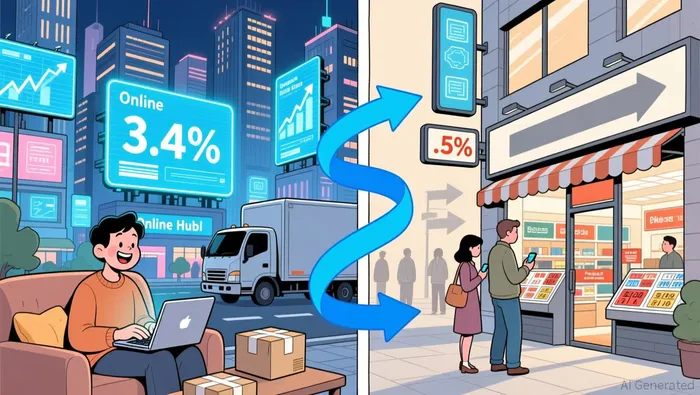
E-commerce captures the lion's share of Boxing Day momentum as channel preferences accelerate. Online sales are projected to grow 3.4% year-on-year in the UK, more than double the 1.5% growth expected for physical stores. This continues a pre-Christmas pattern where non-store sales surged 7.9% while store-based revenue fell 4.5% according to retail reports. Adverse weather and convenience preferences drive this channel shift, particularly in categories like lifestyle goods where online purchases jumped 9.9% despite physical store declines according to e-commerce data. The structural move toward digital appears irreversible.
New shopping platforms fundamentally reshape retail dynamics. TikTok Shop now supports over 200,000 UK small businesses, doubling from last year through shoppable videos and daily live events. Some 42% of UK shoppers consider purchases through such discovery commerce platforms, rising to 89% among 18-34 year-olds according to consumer surveys. This model fueled record Black Friday sales with items sold every second, demonstrating the power of integrated social commerce according to e-commerce reports. Physical retailers face an engagement gap they cannot close with traditional promotions. The verdict is clear: online channels win through convenience and experience.
What Does Boxing Day Reveal About Consumer Spending Patterns?
Tariffs and inflation create uneven category performance during post-holiday sales. Clothing sales rise 5.3% due to lower tariff exposure, while heavily tariffed home décor crawls at 0.8% growth. Consumers prioritize essentials and gifts over discretionary holiday items according to spending data. This selective spending reflects broader economic uncertainty despite solid GDP growth of 4.3% in Q3 according to economic reports. Retail bifurcation intensifies as discount chains attract higher-income shoppers while budget-focused consumers pull back according to retail analysis. Boxing Day exposes these strategic tradeoffs in real time.
Physical retailers face structural challenges beyond temporary headwinds. Footfall declined 4.3% pre-Christmas with high streets down 5.6%, partly due to adverse weather discouraging in-person shopping. Retailers that remained open on Christmas faced premium labor costs betting on essential purchases offsetting expenses according to retail analysis. Meanwhile, chains like Walmart report 5.9% growth by attracting affluent shoppers seeking value—a strategy that risks alienating core budget customers if prices rise according to market data. The takeaway: Boxing Day spotlights retail's ongoing transformation amid channel fragmentation.
Consumer spending patterns reflect strategic tradeoffs rather than outright retreat. Some 75% of shoppers actively seek deals, with nearly half allocating most budgets to food and essentials. Restaurant spending increased 5.2% during the holidays, indicating preference shifts toward experiences over goods according to consumer data. This selectivity extends to Boxing Day bargain hunting, where middle-aged consumers focus on replacing pandemic-era home goods according to retail reports. The bottom line: shoppers participate but with heightened discernment about value and necessity.







Comentarios
Aún no hay comentarios