
U.S. Bond Yields Slip as Inflation Data Looms
Generado por agente de IATheodore Quinn
martes, 14 de enero de 2025, 4:42 am ET1 min de lectura
U.S. bond yields have slipped from their highest levels in over a year, with investors eyeing upcoming inflation data that could shape the trajectory of interest rates. The 10-year Treasury note yield, which neared 4.8% at the start of the year, has since retreated to around 4.79%, while the 30-year Treasury yield surpassed 5% for the first time in over a year. Market sentiment has been pressured by a stronger-than-expected jobs report and concerns over inflationary policies under President-elect Donald Trump.

The yield on the US 10-year Treasury note was 4.79 percent on Monday, January 13, according to over-the-counter interbank yield quotes for this government bond maturity. Historically, the US 10 Year Treasury Bond Note Yield reached an all-time high of 15.82 in September of 1981. The US 10 Year Treasury Bond Note Yield is expected to trade at 4.50 percent by the end of this quarter, according to Trading Economics global macro models and analysts expectations. Looking forward, it is estimated to trade at 4.27 in 12 months time.
Market sentiment has been influenced by a stronger-than-expected jobs report, which has scaled back expectations for Federal Reserve rate cuts this year. Traders now anticipate only 27 basis points of rate cuts in 2024, a sharp reduction from the 50 basis points forecast earlier this month. This week's CPI and PPI data will offer key insights into inflation trends, which could further shape market sentiment and bond yields.
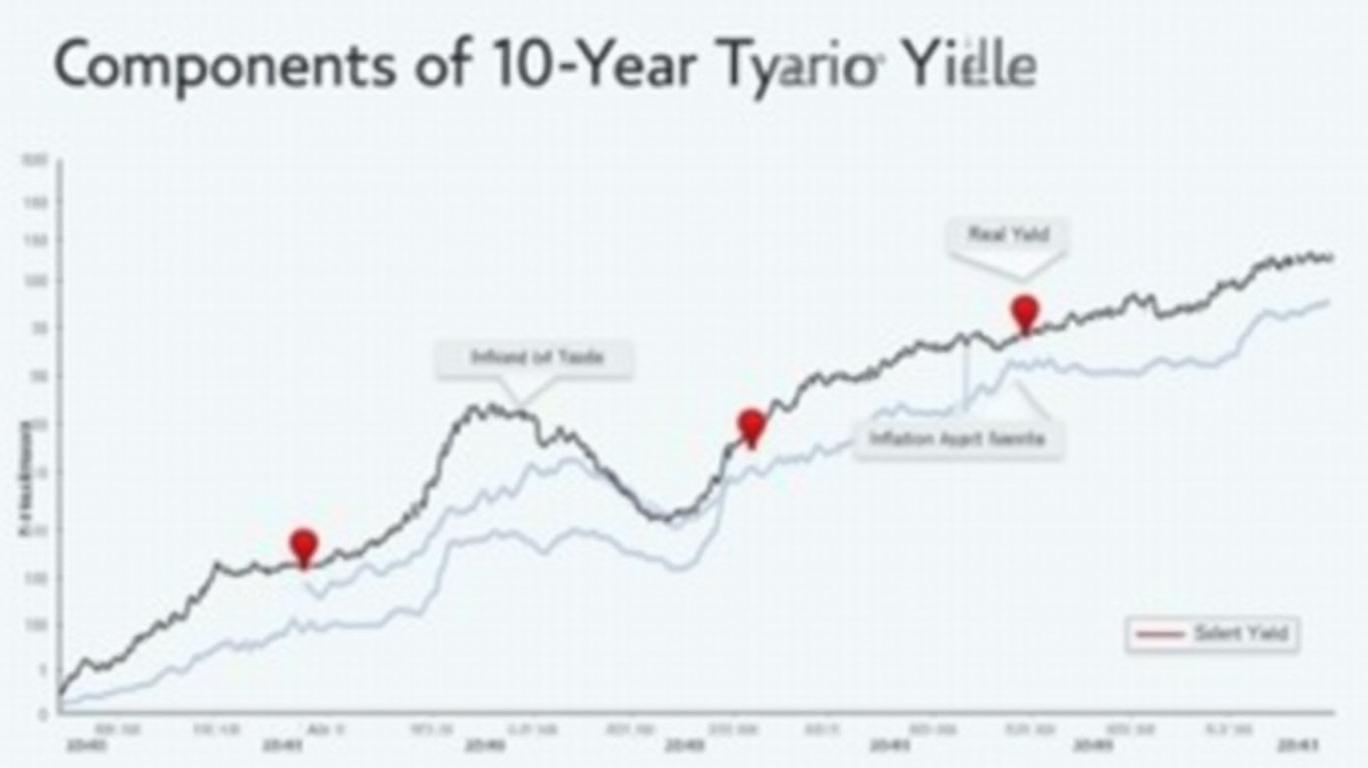
Investors are increasingly concerned about higher rates and lingering inflation, as reflected in the rise of the 10-year Treasury yield and the inflation breakeven rate. The real component of the 10-year Treasury yield has risen about 35 basis points to more than 1.9%, nearing levels associated with stock-market swoons seen during the post-COVID cycle. Additionally, the inflation expectations component has risen about 25 basis points to about 2.3%, indicating that investors are not fully convinced that inflation risks are fading.
If the upcoming CPI and PPI data show higher-than-expected inflation, it could further validate investors' concerns about lingering inflation pressures. This could lead to increased demand for longer-term bonds, higher term premiums, and potential adjustments in portfolio allocations. Investors should closely monitor the upcoming inflation data and its potential impact on bond yields and the broader economy.
In conclusion, the recent slip in U.S. bond yields comes as investors await upcoming inflation data, which could shape the trajectory of interest rates and market sentiment. As inflation expectations and interest rate uncertainty play a crucial role in determining bond yields, investors should stay informed about the latest economic indicators and their potential implications for the bond market.



Divulgación editorial y transparencia de la IA: Ainvest News utiliza tecnología avanzada de Modelos de Lenguaje Largo (LLM) para sintetizar y analizar datos de mercado en tiempo real. Para garantizar los más altos estándares de integridad, cada artículo se somete a un riguroso proceso de verificación con participación humana.
Mientras la IA asiste en el procesamiento de datos y la redacción inicial, un miembro editorial profesional de Ainvest revisa, verifica y aprueba de forma independiente todo el contenido para garantizar su precisión y cumplimiento con los estándares editoriales de Ainvest Fintech Inc. Esta supervisión humana está diseñada para mitigar las alucinaciones de la IA y garantizar el contexto financiero.
Advertencia sobre inversiones: Este contenido se proporciona únicamente con fines informativos y no constituye asesoramiento profesional de inversión, legal o financiero. Los mercados conllevan riesgos inherentes. Se recomienda a los usuarios que realicen una investigación independiente o consulten a un asesor financiero certificado antes de tomar cualquier decisión. Ainvest Fintech Inc. se exime de toda responsabilidad por las acciones tomadas con base en esta información. ¿Encontró un error? Reportar un problema




Comentarios
Aún no hay comentarios