
Bond Traders See Inflation Data as Key to Cinching Next Rate Cut
Generado por agente de IAWesley Park
domingo, 8 de diciembre de 2024, 3:42 pm ET2 min de lectura
As the Federal Reserve (Fed) continues to monitor inflation trends, bond traders are closely watching inflation data, as it will be crucial in determining the timing of the next rate cut. Market pricing suggests a high likelihood of a rate cut in the near future, with the Fed Funds futures market implying a 75% chance of a 25 basis point cut by the end of the year. However, traders are aware that a divergence between their expectations and market pricing could occur if inflation data surprises to the upside or if the Fed signals a more hawkish stance. In such cases, bond traders may need to adjust their positions to reflect the changing interest rate environment.
Bond traders primarily focus on the core Personal Consumption Expenditures (PCE) price index, the Federal Reserve's preferred inflation metric, as it excludes volatile food and energy prices. This focus is due to the Fed's explicit 2% target for core PCE inflation, which influences monetary policy decisions. Additionally, traders monitor headline Consumer Price Index (CPI) data, as it provides a broader perspective on inflation trends, including volatile components. Both metrics help traders anticipate interest rate changes and adjust bond positions accordingly.
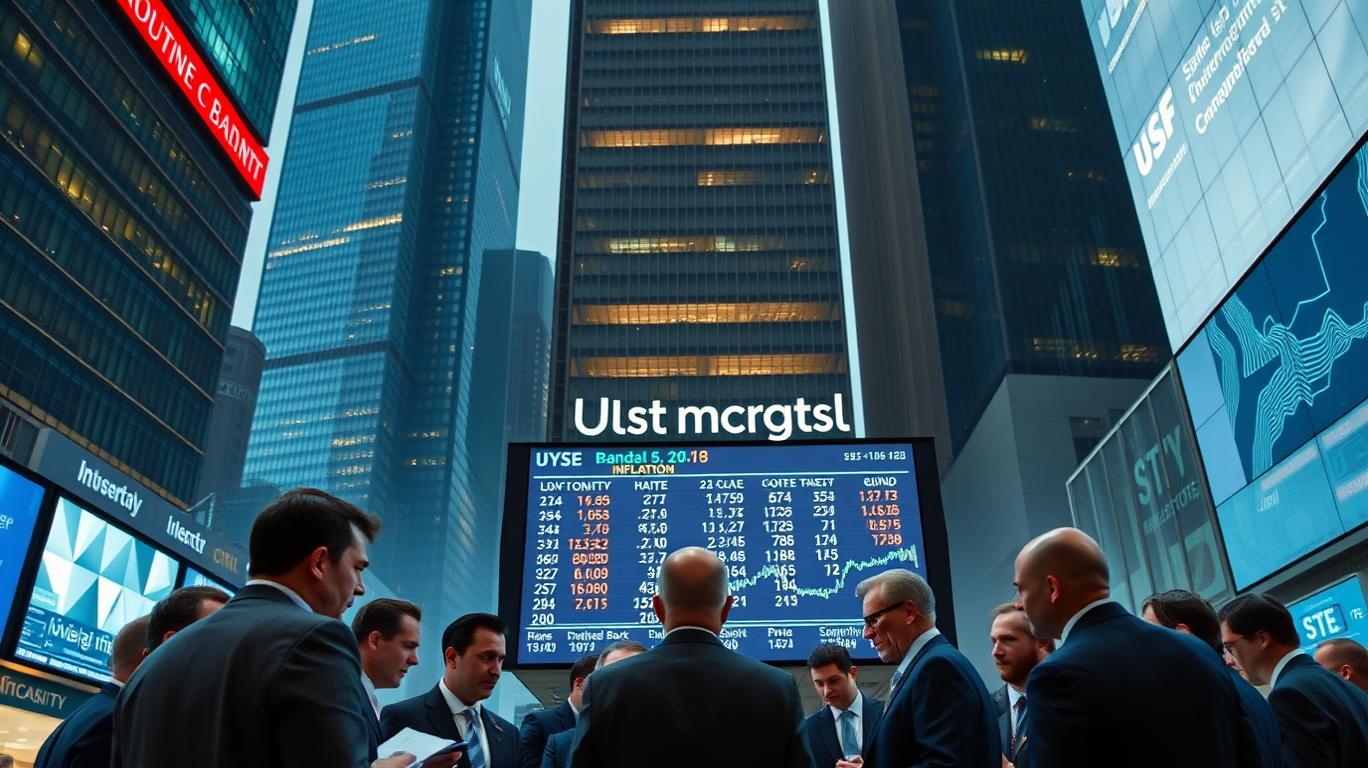
As inflation rates vary across regions and sectors, traders use this data to gauge the Fed's policy stance. For instance, in the US, the core PCE price index, a key inflation indicator, has been declining, signaling a potential pivot in the Fed's rate-hiking cycle. Traders are incorporating this data into their strategies, expecting a rate cut in 2024, which could boost bond prices and generate attractive total returns. However, they remain cautious, as markets are priced for a soft landing, leaving little room for unexpected events.
Bond traders are also factoring in the impact of energy and food prices on overall inflation and anticipating central bank responses to these factors. Rising energy costs can lead to higher production costs, which are then passed on to consumers, driving up inflation. Similarly, food prices can increase due to supply chain disruptions or weather-related events, further pushing up the inflation rate. Central banks, such as the Federal Reserve, consider these factors when setting monetary policy. If energy and food prices continue to rise, central banks may respond by raising interest rates to combat inflation, which can negatively impact bond prices. Conversely, if these prices stabilize or decrease, central banks may opt for rate cuts, potentially boosting bond prices.
In conclusion, bond traders are closely monitoring inflation data, as expectations of future inflation, reflected in inflation swaps or breakeven rates, significantly influence their decisions. As inflation slows, breakeven rates have been declining, indicating a decrease in expected future inflation. This shift, coupled with the Fed's pivot towards rate cuts, has led to a rally in bond prices, with the Bloomberg U.S. Aggregate Index yielding near post-financial crisis highs. However, bond investors should be cautious, as markets are priced for a straight-line economic soft landing, leaving little room for unexpected events. A balanced portfolio, combining growth and value stocks, can help mitigate risks associated with interest-rate sensitivity.



Divulgación editorial y transparencia de la IA: Ainvest News utiliza tecnología avanzada de Modelos de Lenguaje Largo (LLM) para sintetizar y analizar datos de mercado en tiempo real. Para garantizar los más altos estándares de integridad, cada artículo se somete a un riguroso proceso de verificación con participación humana.
Mientras la IA asiste en el procesamiento de datos y la redacción inicial, un miembro editorial profesional de Ainvest revisa, verifica y aprueba de forma independiente todo el contenido para garantizar su precisión y cumplimiento con los estándares editoriales de Ainvest Fintech Inc. Esta supervisión humana está diseñada para mitigar las alucinaciones de la IA y garantizar el contexto financiero.
Advertencia sobre inversiones: Este contenido se proporciona únicamente con fines informativos y no constituye asesoramiento profesional de inversión, legal o financiero. Los mercados conllevan riesgos inherentes. Se recomienda a los usuarios que realicen una investigación independiente o consulten a un asesor financiero certificado antes de tomar cualquier decisión. Ainvest Fintech Inc. se exime de toda responsabilidad por las acciones tomadas con base en esta información. ¿Encontró un error? Reportar un problema


SOBRE NOSOTROS
Nuestra historiaAutores de noticiasBase de conocimientosPolítica de privacidadTérmino de usoDescargo de responsabilidad de corretaje de tercerosTérminos de uso de AIMEDivulgaciones de riesgos de AInvest AICarrerasCONTÁCTENOS
Email: support@ainvest.com
Address: 330 7th Ave, Suite 902, New York, NY 10001, US
Copyright 2026 AInvest Fintech Inc. All rights reserved.


Comentarios
Aún no hay comentarios