
Bond Market Volatility and Federal Reserve Policy Expectations Post-June Jobs Report
The June 2025 jobs report has reignited debates over the Federal Reserve's next rate move, sending ripples through bond markets. While nonfarm payrolls rose modestly and unemployment held steady at 4.1%, wage growth slowed and labor force participation weakened—a mixed bag that leaves the Fed in a holding pattern. For bond investors, this creates a critical juncture to parse short-term Treasury yield movements, recalibrate rate cut probabilities, and position portfolios for shifting economic crosscurrents.
The Fed's Dilemma: Data-Driven Caution
The report's headline numbers—147,000 new jobs and stable unemployment—bolster the Fed's stance of “patience.” Yet beneath the surface, cracks emerge: wage growth slowed to 3.7% year-over-year, labor force participation dipped to 62.3%, and long-term unemployment surged. These metrics suggest underlying softness, even as the jobs market remains resilient. The Fed's reluctance to cut rates immediately reflects this tension.
Short-Term Treasuries: Anchored by Uncertainty
Short-term Treasury yields (e.g., the 2-year note) are acutely sensitive to Fed policy expectations. Historically, they reflect market pricing of the federal funds rate over the next 24 months. Since the June report, the 2-year yield has oscillated between 4.1% and 4.4%, reflecting conflicting signals:
- Bearish Case: The strong payroll data and stable unemployment could delay rate cuts, keeping short rates elevated.
- Bullish Case: Slowing wage growth and labor market slack might still push the Fed to cut by late 2025.
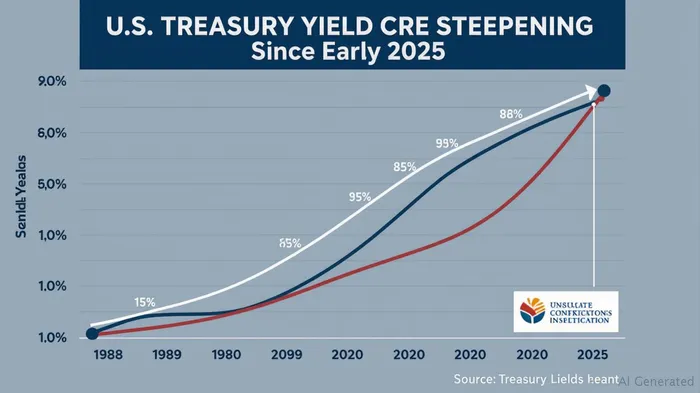
Investors should note that short-term yields have decoupled from long-term bonds (e.g., the 10-year Treasury yield), creating a steeper yield curve. This suggests markets are pricing in a prolonged period of “lower for longer” rates rather than aggressive cuts—a shift favoring short-duration bonds.
Strategic Bond Positioning: Navigating the Crosswinds
In this environment, bond investors must balance yield-seeking opportunities with duration risk. Here are actionable strategies:
1. Favor Short-Term Treasuries
Short-term maturities (e.g., 1–3 years) offer higher yields than cash while limiting exposure to rising rates. For example, the 2-year Treasury currently yields ~4.3%, a compelling floor for conservative portfolios.
2. Reduce Duration Risk
Avoid long-dated Treasuries (e.g., 10-year or 30-year bonds). Their prices are highly sensitive to rate expectations, and the Fed's cautious stance reduces the likelihood of a sharp decline in long-term yields.
3. Explore Floating-Rate Instruments
Floating-rate notes (FRNs) or Treasury Inflation-Protected Securities (TIPS) can hedge against modest rate hikes or inflation surprises. FRNs, in particular, reset periodically with market rates, offering stability.
4. Monitor Corporate Credit Spreads
Corporate bonds, especially high-quality investment-grade issues, offer yield premiums over Treasuries. However, widening credit spreads (due to economic uncertainty) could pressure prices. Investors should prioritize companies with strong balance sheets and defensive sectors like utilities or healthcare.
Conclusion: Patience and Precision
The June jobs report underscores the Fed's data-dependent approach, leaving bond markets in a state of heightened volatility. Short-term Treasuries remain a prudent anchor for income seekers, while active management of duration and credit risk is essential. Investors should avoid overcommitting to long-dated bonds until clearer signals emerge on the timing of rate cuts. In this liminal phase, precision—not speculation—will determine success.

The path forward hinges on the Fed's next moves—and the bond market's ability to parse every whisper of policy intent. Stay vigilant, stay tactical, and let the yield curve be your guide.







Comentarios
Aún no hay comentarios