
BOJ Should Hike Given Risk of Falling Behind, Top Academic Says
Generado por agente de IAWesley Park
lunes, 9 de diciembre de 2024, 9:59 pm ET1 min de lectura
The Bank of Japan (BOJ) faces a critical juncture in its monetary policy, with a top academic warning that the central bank risks falling behind in managing inflation expectations if it delays a rate hike. As the Japanese economy grapples with deflationary pressures and uncertainty surrounding the COVID-19 pandemic, the BOJ must navigate a delicate balance between supporting growth and maintaining price stability.
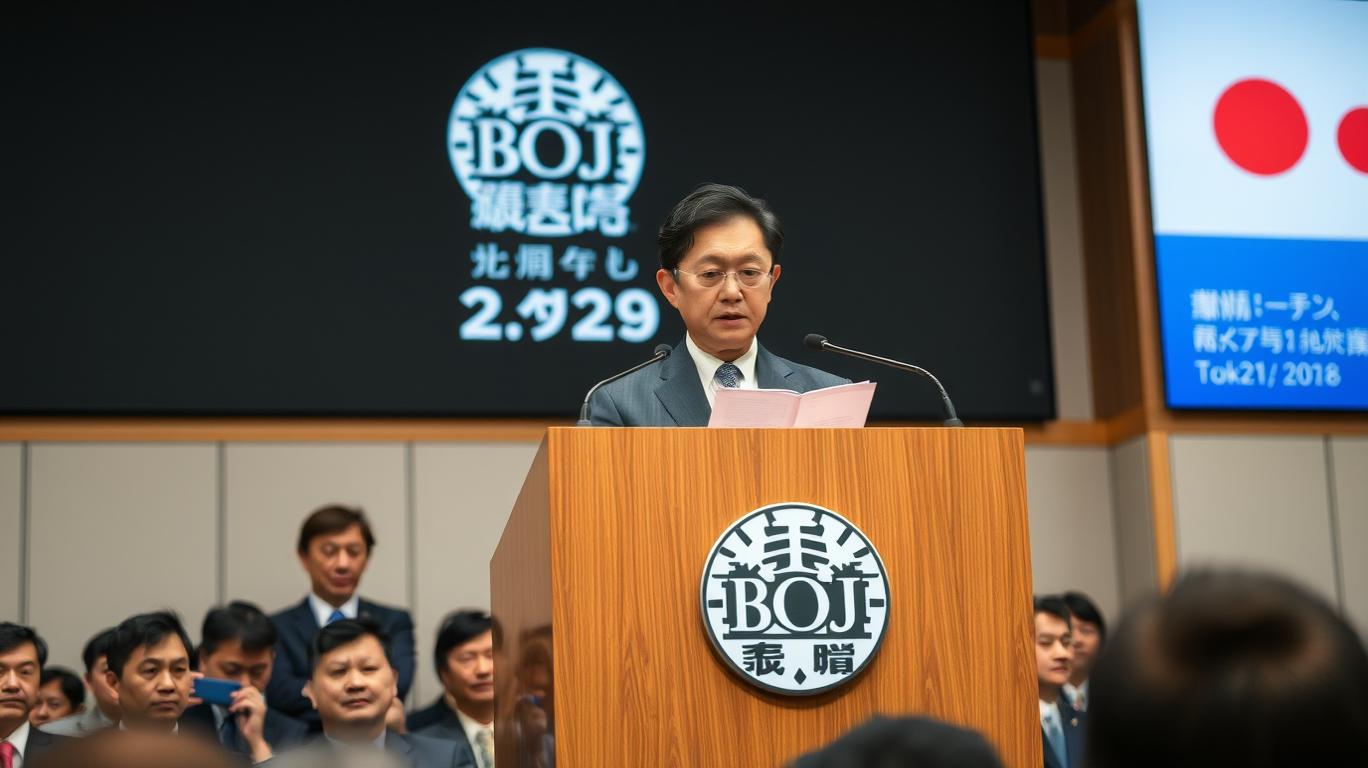
The BOJ has been implementing quantitative and qualitative easing measures to achieve its 2% inflation target, but the persistent threat of deflation has raised concerns about the effectiveness of these policies. The top academic, who wishes to remain anonymous, argues that the BOJ should consider a rate hike to anchor inflation expectations and prevent a potential loss of control over monetary policy.
A delay in raising interest rates could lead to a misalignment between domestic and global monetary policies, potentially causing capital outflows and a stronger yen. This, in turn, could negatively impact Japanese exports and corporate earnings, leading to a slowdown in economic growth. Moreover, a delay in rate hikes could exacerbate inflationary pressures, eroding purchasing power and potentially leading to social unrest.
The BOJ's current monetary policy aims to maintain price stability, but the top academic's concern about the risk of falling behind in monetary policy tightening suggests a potential divergence in views. While the BOJ has been focusing on monetary easing and quantitative easing, the academic's perspective highlights the importance of a more proactive approach to address rising inflation expectations and prevent the BOJ from lagging behind other central banks in tightening monetary policy.

In conclusion, the BOJ should consider a rate hike to manage inflation expectations and maintain price stability. A delay in raising interest rates could have significant consequences for the Japanese economy and financial markets, including capital outflows, a stronger yen, and increased inflationary pressures. The BOJ must carefully weigh the risks and benefits of a rate hike and act accordingly to support economic growth and maintain price stability.



Divulgación editorial y transparencia de la IA: Ainvest News utiliza tecnología avanzada de Modelos de Lenguaje Largo (LLM) para sintetizar y analizar datos de mercado en tiempo real. Para garantizar los más altos estándares de integridad, cada artículo se somete a un riguroso proceso de verificación con participación humana.
Mientras la IA asiste en el procesamiento de datos y la redacción inicial, un miembro editorial profesional de Ainvest revisa, verifica y aprueba de forma independiente todo el contenido para garantizar su precisión y cumplimiento con los estándares editoriales de Ainvest Fintech Inc. Esta supervisión humana está diseñada para mitigar las alucinaciones de la IA y garantizar el contexto financiero.
Advertencia sobre inversiones: Este contenido se proporciona únicamente con fines informativos y no constituye asesoramiento profesional de inversión, legal o financiero. Los mercados conllevan riesgos inherentes. Se recomienda a los usuarios que realicen una investigación independiente o consulten a un asesor financiero certificado antes de tomar cualquier decisión. Ainvest Fintech Inc. se exime de toda responsabilidad por las acciones tomadas con base en esta información. ¿Encontró un error? Reportar un problema


SOBRE NOSOTROS
Nuestra historiaAutores de noticiasBase de conocimientosPolítica de privacidadTérmino de usoDescargo de responsabilidad de corretaje de tercerosTérminos de uso de AIMEDivulgaciones de riesgos de AInvest AICarrerasCONTÁCTENOS
Email: support@ainvest.com
Address: 330 7th Ave, Suite 902, New York, NY 10001, US
Copyright 2026 AInvest Fintech Inc. All rights reserved.


Comentarios
Aún no hay comentarios