
Boeing's 787 Production: A Path to 10 Per Month by 2026
Generado por agente de IAWesley Park
jueves, 12 de diciembre de 2024, 2:20 pm ET1 min de lectura
BA--
Boeing's 787 Dreamliner has faced its share of challenges, but the aerospace giant is determined to increase its production rate to 10 aircraft per month by 2026. Despite supply chain issues and quality control problems, Boeing is committed to overcoming these hurdles and ramping up production.
The 787 Dreamliner, Boeing's most fuel-efficient aircraft, has been a game-changer for the industry. However, production has been plagued by setbacks, including delivery suspensions due to production defects and regulatory hurdles. In 2020, Boeing was forced to reduce its production rate due to these issues, but the company has since worked diligently to resolve them.
Boeing has taken several steps to mitigate supplier shortages and ensure timely delivery of components. The company is seeking approval to manufacture up to 14 Dreamliners per month at its North Charleston assembly plant, indicating a significant increase in production capacity. Additionally, Boeing has submitted a request to modify an environmental permit for its facility, seeking approval to manufacture up to 14 Dreamliners per month. This application is considered a minor revision with no impacts on wetlands and is expected to receive approval in the coming months.
To improve production quality and prevent future issues, Boeing is working closely with its suppliers. The company created the Production Integration Center, sending engineers and production workers to suppliers worldwide to smooth supply chain quality integration. Onsite cameras were used as digital audits, and Boeing supported suppliers with its knowledge. This restructuring case can help supply chain managers diagnose and overcome issues in supply chain quality integrations.
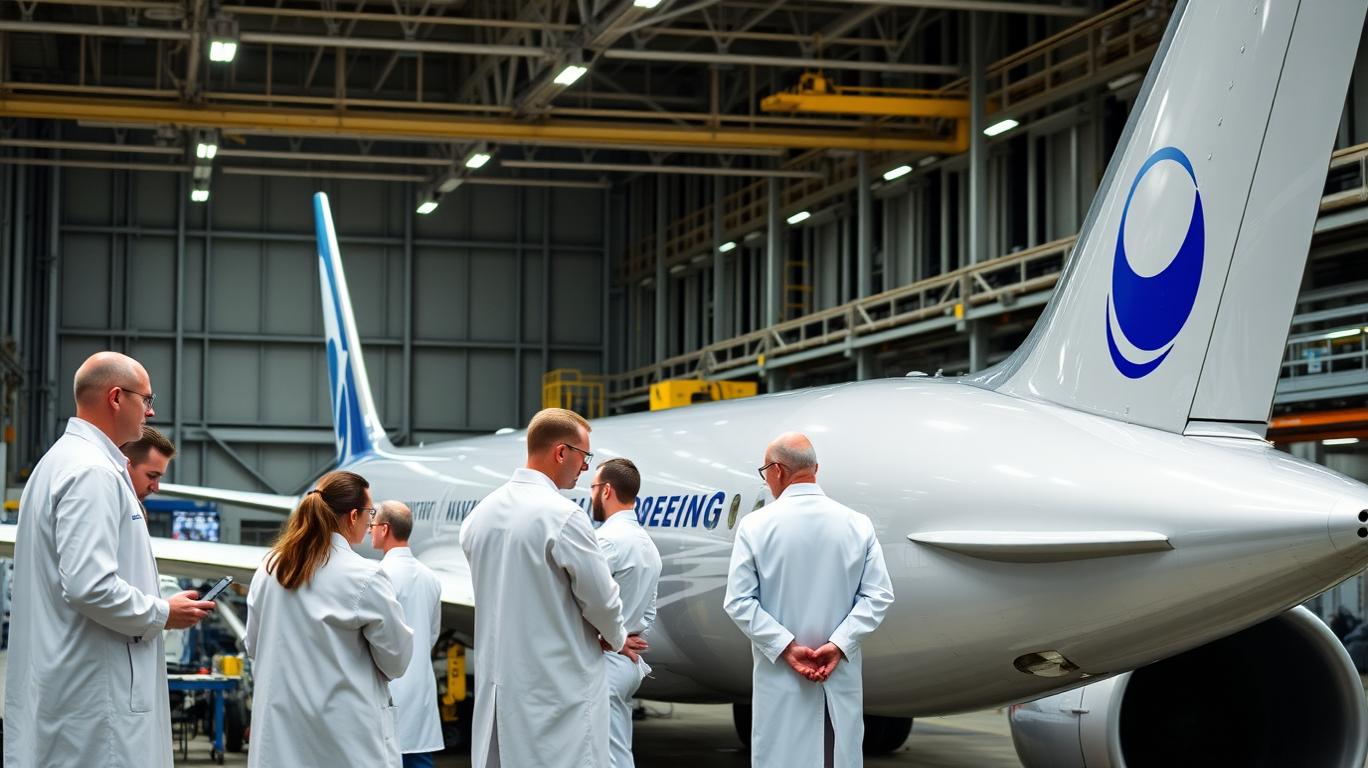
Despite these challenges, Boeing remains committed to increasing its 787 production rate. The company aims to produce ten 787s per month by the end of 2026, indicating a strong commitment to overcoming these challenges and increasing production. As Boeing continues to work through these issues, investors can expect a steady increase in 787 production, driving growth and profitability for the company.
In conclusion, Boeing's 787 Dreamliner production has faced challenges, but the company is determined to increase its production rate to 10 aircraft per month by 2026. By mitigating supplier shortages, improving production quality, and working closely with suppliers, Boeing is well-positioned to achieve this goal. As the aerospace industry continues to grow, Boeing's 787 Dreamliner will play a crucial role in driving this growth, making it an attractive investment opportunity for those looking to capitalize on the industry's long-term prospects.
Boeing's 787 Dreamliner has faced its share of challenges, but the aerospace giant is determined to increase its production rate to 10 aircraft per month by 2026. Despite supply chain issues and quality control problems, Boeing is committed to overcoming these hurdles and ramping up production.
The 787 Dreamliner, Boeing's most fuel-efficient aircraft, has been a game-changer for the industry. However, production has been plagued by setbacks, including delivery suspensions due to production defects and regulatory hurdles. In 2020, Boeing was forced to reduce its production rate due to these issues, but the company has since worked diligently to resolve them.
Boeing has taken several steps to mitigate supplier shortages and ensure timely delivery of components. The company is seeking approval to manufacture up to 14 Dreamliners per month at its North Charleston assembly plant, indicating a significant increase in production capacity. Additionally, Boeing has submitted a request to modify an environmental permit for its facility, seeking approval to manufacture up to 14 Dreamliners per month. This application is considered a minor revision with no impacts on wetlands and is expected to receive approval in the coming months.
To improve production quality and prevent future issues, Boeing is working closely with its suppliers. The company created the Production Integration Center, sending engineers and production workers to suppliers worldwide to smooth supply chain quality integration. Onsite cameras were used as digital audits, and Boeing supported suppliers with its knowledge. This restructuring case can help supply chain managers diagnose and overcome issues in supply chain quality integrations.
Despite these challenges, Boeing remains committed to increasing its 787 production rate. The company aims to produce ten 787s per month by the end of 2026, indicating a strong commitment to overcoming these challenges and increasing production. As Boeing continues to work through these issues, investors can expect a steady increase in 787 production, driving growth and profitability for the company.
In conclusion, Boeing's 787 Dreamliner production has faced challenges, but the company is determined to increase its production rate to 10 aircraft per month by 2026. By mitigating supplier shortages, improving production quality, and working closely with suppliers, Boeing is well-positioned to achieve this goal. As the aerospace industry continues to grow, Boeing's 787 Dreamliner will play a crucial role in driving this growth, making it an attractive investment opportunity for those looking to capitalize on the industry's long-term prospects.

Divulgación editorial y transparencia de la IA: Ainvest News utiliza tecnología avanzada de Modelos de Lenguaje Largo (LLM) para sintetizar y analizar datos de mercado en tiempo real. Para garantizar los más altos estándares de integridad, cada artículo se somete a un riguroso proceso de verificación con participación humana.
Mientras la IA asiste en el procesamiento de datos y la redacción inicial, un miembro editorial profesional de Ainvest revisa, verifica y aprueba de forma independiente todo el contenido para garantizar su precisión y cumplimiento con los estándares editoriales de Ainvest Fintech Inc. Esta supervisión humana está diseñada para mitigar las alucinaciones de la IA y garantizar el contexto financiero.
Advertencia sobre inversiones: Este contenido se proporciona únicamente con fines informativos y no constituye asesoramiento profesional de inversión, legal o financiero. Los mercados conllevan riesgos inherentes. Se recomienda a los usuarios que realicen una investigación independiente o consulten a un asesor financiero certificado antes de tomar cualquier decisión. Ainvest Fintech Inc. se exime de toda responsabilidad por las acciones tomadas con base en esta información. ¿Encontró un error? Reportar un problema


SOBRE NOSOTROS
Nuestra historiaAutores de noticiasBase de conocimientosPolítica de privacidadTérmino de usoDescargo de responsabilidad de corretaje de tercerosTérminos de uso de AIMEDivulgaciones de riesgos de AInvest AICarrerasCONTÁCTENOS
Email: support@ainvest.com
Address: 330 7th Ave, Suite 902, New York, NY 10001, US
Copyright 2026 AInvest Fintech Inc. All rights reserved.


Comentarios
Aún no hay comentarios