
Boeing Faces Hurdles In Aviation Industry Ahead After FAA Suspension
The U.S. aviation industry is experiencing increasing disruptions after a cabin panel of a Boeing airplane operated by Alaska Airlines blew out, sparking worries about the growth plans of global airlines and suppliers.
Now, the FAA is doing unprecedented interventions in Boeing's production plan as the agency promptly suspended the production expansion of the 737 MAX, spelling more trouble for Boeing.
According to the FAA, the order implies that Boeing can continue to produce MAX airplanes at its current monthly production rate but cannot increase it. However, the statement did not specify how long the limitations would last or the amount of airplanes Boeing could produce monthly.
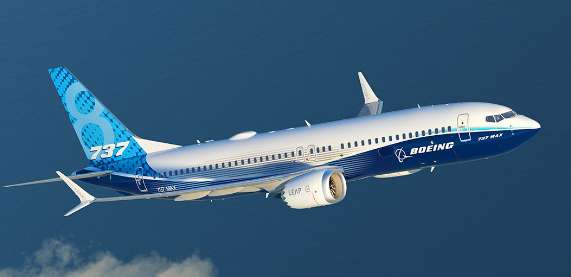
The lifting of the flying ban undeniably provides relief for Alaska Airlines and United Airlines, since both companies use the MAX 9 and have been forced to cancel thousands of flights.
Currently, Boeing is trying to increase the production volume of its best-selling single-aisle 737 MAX series to meet demand and to narrow the gap with Europe's Airbus in the jet plane market.
Analysts fear that after the door issue of the 737 MAX 9, additional inspections on Boeing's factories will affect the production growth of the smaller, wider-selling MAX 8. At present, MAX 8 is the main source of income for Boeing and many suppliers.
In a statement, FAA Administrator Mike Whitaker said, The quality assurance issues we have seen are unacceptable. He added that no MAX production expansions would be allowed until problems are resolved and that more personnel would be dispatched to closely review and monitor production and manufacturing activities.
Boeing responded that it will continue to cooperate fully and transparently with the FAA, and in accordance with the organization's instructions, will take actions to enhance safety and quality.
Last year in October, Boeing CEO Dave Calhoun expressed that the company plans to reach a production volume of 38 MAX airplanes per month by the end of 2023. Reports from December last year stated that Boeing's most recent 737 master plan sets a production speed for suppliers to increase volume to 42 per month in February, 47.2 in August, 52.5 by February 2025, and 57.7 by October 2025.
However, the FAA inspections may potentially cause Boeing's own production pace to lag behind the suppliers' master schedules.
Calhoun faced questioning from senators about the Alaska Airlines incident in a series of meetings on Capitol Hill on Wednesday. Senate Commerce Committee Chairwoman Maria Cantwell stated that she will convene a hearing to investigate the root cause of Boeing's safety lapses.
Cantwell said: The American flying public and Boeing line workers deserve a culture of leadership at Boeing that puts safety ahead of profits.
Calhoun stressed that Boeing will restore public confidence in its airplanes.





Comentarios
Aún no hay comentarios