
BNB ETF: Grayscale and VanEck's Strategic Delaware Registrations Signal a New Wave of Crypto Institutionalization
The launch of Binance Coin (BNB) exchange-traded funds (ETFs) by Grayscale and VanEck marks a pivotal moment in the institutionalization of niche crypto assets. By registering statutory trusts in Delaware-a common precursor to SEC filings-both firms are positioning BNBBNB-- as a legitimate, regulated investment vehicle for institutional and retail investors. This strategic move reflects broader trends in crypto adoption, regulatory progress, and the growing demand for diversified digital asset exposure.
The Delaware Play: A Regulatory Springboard
VanEck filed for a Delaware trust to support its BNB ETF on March 31, 2025, under the proposed ticker VBNB. This filing, which outlines a structure where the ETF will hold BNB directly and potentially stake it through Coinbase, is a critical step toward SEC approval. Similarly, Grayscale has registered trusts for Cardano (ADA) and Hedera (HBAR) in Delaware, signaling its intent to expand altcoin ETF offerings. These Delaware registrations are not mere formalities; they provide the legal framework required for SEC-registered ETFs, enabling firms to navigate the regulatory landscape with greater clarity.
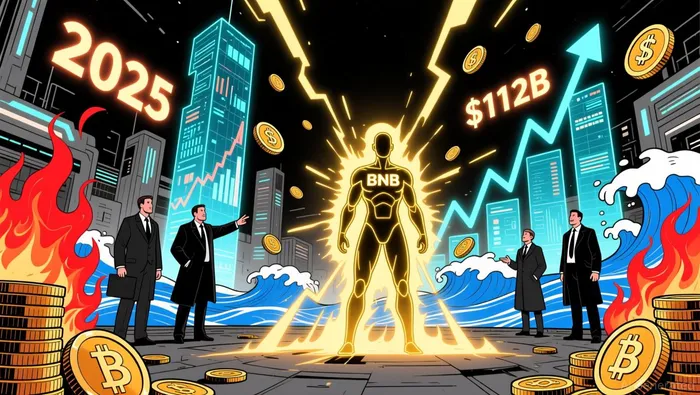
The Delaware strategy underscores a shift in institutional investor behavior. As of October 2025, BNB's market capitalization reached $112 billion, making it the third-largest cryptocurrency. This milestone, coupled with its utility in decentralized applications and token burns that reduce supply, has transformed BNB into a blue-chip asset. Institutional adoption is further reinforced by corporate treasuries: over $1.2 billion in potential buying pressure from publicly traded companies now includes BNB as a reserve asset.
Grayscale's approach to institutional adoption is twofold. First, it is leveraging regulatory tailwinds, such as the SEC's recent approval of in-kind redemption for spot BitcoinBTC-- and EthereumETH-- ETFs, to advocate for a rules-based framework for altcoins. Second, the firm is preparing for broader legislative changes, including the anticipated 2026 crypto market structure bill, which could standardize ETF approvals and accelerate institutional adoption. Grayscale's Digital Large Cap Fund (GDLC), approved in September 2025, already tracks multiple cryptocurrencies, including BNB, and serves as a blueprint for future products.
VanEck, meanwhile, is prioritizing execution. Its proposed BNB ETF includes a 0.30% management fee and a staking feature that could generate yield for investors. This product-first strategy aligns with the firm's history of rapid ETF launches, such as its Bitcoin and Ethereum offerings. By focusing on immediate market demand, VanEck is capitalizing on the growing appetite for crypto exposure among institutional investors who seek regulated, diversified options.
The regulatory environment in 2025 has become increasingly favorable for crypto ETFs. The SEC's streamlined approval process, exemplified by the GDLC's rapid approval, has reduced barriers for new entrants. Additionally, the passage of the GENIUS Act in July 2025 and ongoing congressional discussions about market structure legislation have provided a legislative tailwind. These developments are critical for BNB, which lacks the regulatory clarity of Bitcoin but offers unique utility in decentralized finance (DeFi) and blockchain infrastructure.
For institutional investors, the appeal of BNB ETFs lies in their ability to combine exposure to a high-utility asset with the safeguards of traditional finance. BNB's role in powering the BNB Chain-home to over 1,300 decentralized applications-and its permanent token burns enhance its scarcity and real-world value. This contrasts with speculative altcoins, making BNB a more attractive candidate for institutional portfolios.
The Bigger Picture: Crypto's Institutional Inflection PointThe BNB ETF race is emblematic of a larger inflection point in crypto adoption. By 2026, Grayscale projects that crypto ETPs and digital asset treasuries (DATs) could account for 15–20% of institutional holdings. This shift is driven by three factors:1. Regulatory Progress: The SEC's evolving stance and bipartisan legislative efforts are reducing uncertainty.2. Corporate Demand: Companies are increasingly allocating capital to crypto, treating it as a strategic asset.3. Product Innovation: Staking features, in-kind redemptions, and diversified funds are bridging the gap between crypto and traditional finance.
VanEck's and Grayscale's Delaware filings are not just about BNB-they represent a broader institutionalization of crypto assets. As these ETFs gain traction, they will likely catalyze further innovation, from stablecoin ETPs to tokenized real-world assets, solidifying crypto's place in the institutional investment universe.
Conclusion
The strategic registrations of BNB ETFs by Grayscale and VanEck highlight the convergence of regulatory progress, institutional demand, and product innovation. While challenges like market volatility and regulatory scrutiny remain, the momentum behind BNB and other altcoins suggests that crypto's institutional era is accelerating. For investors, the key takeaway is clear: the next wave of crypto adoption will be defined by regulated, utility-driven assets like BNB-and the ETFs that make them accessible.





Comentarios
Aún no hay comentarios