
BMW and Alibaba: A New Era of AI-Driven Mobility
Generado por agente de IAHarrison Brooks
miércoles, 26 de marzo de 2025, 7:55 am ET2 min de lectura
BABA--
In the ever-evolving landscape of automotive technology, BMW and AlibabaBABA-- have joined forces to revolutionize the driving experience in China. On March 26, 2025, the two giants announced an expanded strategic partnership to integrate large language AI models into BMW's next-generation vehicles. This move is not just a technological leap but a testament to the complementary strengths of Chinese and European enterprises, showcasing the potential for mutual benefit and win-win outcomes in the industrial field.
The partnership is built on Alibaba's advanced Tongyi AI model and Banma's Yuanshen AI, which will power the new BMW Intelligent Personal Assistant. This AI-driven experience is set to debut in 2026 in BMW's China-produced Neue Klasse models, promising a more natural, intelligent, and intuitive human-machine interaction. The AI-enhanced Intelligent Personal Assistant will offer capabilities such as human-like communication, multi-agent coordination, and open ecosystem integration, enabling precise intent recognition, complex command execution, nuanced semantic understanding, and logical reasoning.
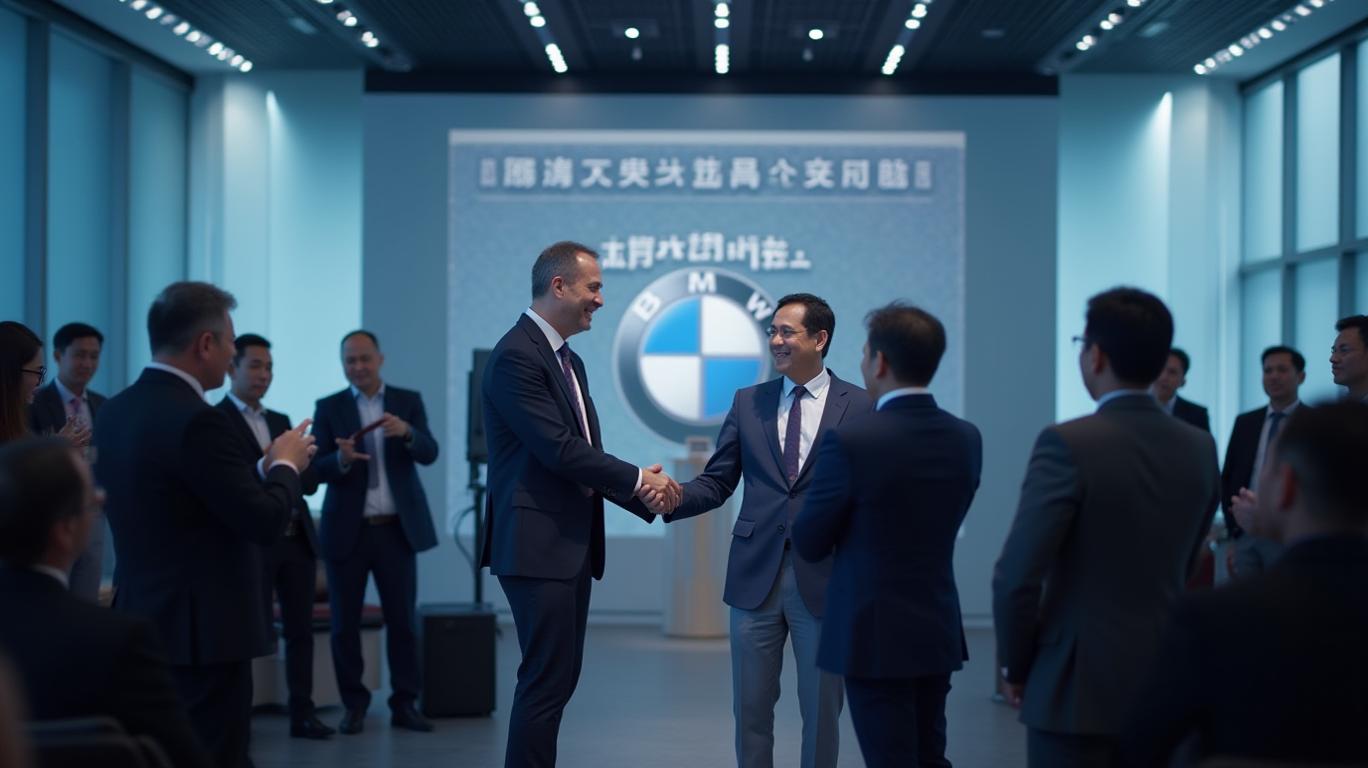
The collaboration between BMW and Alibaba is a strategic move that aligns with both companies' long-term business goals and market strategies in China. For BMW, this partnership is a significant step in its 360-degree full-chain AI strategy, which focuses on digitalized production and operations, enhancing intelligent user experiences across all scenarios, and fostering open innovation in research and development. The strategy aims to accelerate BMW's AI integration in China, shaping long-term competitiveness in the AI era.
For Alibaba, the partnership exemplifies its mission to drive industrial transformation through AI. Alibaba has been investing heavily in AI research, and partnering with a global manufacturing leader like BMW allows it to showcase its AI capabilities in real-world applications. Since its debut in April 2023, Alibaba's Qwen has been adopted by over 290,000 enterprises across industries, from automotive, manufacturing, and finance to gaming, healthcare, and robotics. This partnership is a strategic move to strengthen its presence in the automotive sector and expand its influence in the growing smart vehicle industry.
The partnership also reflects the complementary advantages of both sides in the industrial field. Alibaba has advantages in AI innovation, as seen in its development of the Tongyi AI model and the Banma Yuanshen AI. BMW, on the other hand, needs intelligent technology to keep up with the development trend of the industry. This type of cooperation highlights the potential for openness, mutual benefit, and win-win outcomes between Chinese and European firms, as noted by Jian Junbo, director of the Center for China-Europe Relations at Fudan University's Institute of International Studies.
However, the integration of AI technology into BMW's vehicles presents several potential risks and challenges, including technical, operational, and market-related issues. The complexity of AI integration, data privacy and security concerns, consumer acceptance, regulatory compliance, and high development and implementation costs are some of the challenges that BMW and Alibaba will need to address.
The partnership with Alibaba can help BMW mitigate these risks through their advanced AI capabilities, experience in data privacy and security, consumer education efforts, regulatory compliance expertise, and shared investment in AI development. Alibaba's expertise in AI innovation, as evidenced by the development of the Qwen AI model, can help BMW overcome technical hurdles. Alibaba's experience in handling data privacy and security issues in its e-commerce and cloud computing services can be applied to ensure that BMW's AI systems are secure and compliant with regulations. The partnership can also focus on developing user-friendly interfaces and providing excellent customer support to enhance consumer acceptance.
In conclusion, the strategic partnership between BMW and Alibaba is a significant step forward in AI-driven mobility. It showcases the potential for mutual benefit and win-win outcomes between Chinese and European enterprises and highlights the complementary advantages of both sides in the industrial field. While the integration of AI technology into BMW's vehicles presents several challenges, the partnership with Alibaba can help mitigate these risks through their advanced AI capabilities, experience in data privacy and security, consumer education efforts, regulatory compliance expertise, and shared investment in AI development. This partnership is a testament to the power of collaboration and innovation in driving industrial transformation and shaping the future of mobility.
In the ever-evolving landscape of automotive technology, BMW and AlibabaBABA-- have joined forces to revolutionize the driving experience in China. On March 26, 2025, the two giants announced an expanded strategic partnership to integrate large language AI models into BMW's next-generation vehicles. This move is not just a technological leap but a testament to the complementary strengths of Chinese and European enterprises, showcasing the potential for mutual benefit and win-win outcomes in the industrial field.
The partnership is built on Alibaba's advanced Tongyi AI model and Banma's Yuanshen AI, which will power the new BMW Intelligent Personal Assistant. This AI-driven experience is set to debut in 2026 in BMW's China-produced Neue Klasse models, promising a more natural, intelligent, and intuitive human-machine interaction. The AI-enhanced Intelligent Personal Assistant will offer capabilities such as human-like communication, multi-agent coordination, and open ecosystem integration, enabling precise intent recognition, complex command execution, nuanced semantic understanding, and logical reasoning.
The collaboration between BMW and Alibaba is a strategic move that aligns with both companies' long-term business goals and market strategies in China. For BMW, this partnership is a significant step in its 360-degree full-chain AI strategy, which focuses on digitalized production and operations, enhancing intelligent user experiences across all scenarios, and fostering open innovation in research and development. The strategy aims to accelerate BMW's AI integration in China, shaping long-term competitiveness in the AI era.
For Alibaba, the partnership exemplifies its mission to drive industrial transformation through AI. Alibaba has been investing heavily in AI research, and partnering with a global manufacturing leader like BMW allows it to showcase its AI capabilities in real-world applications. Since its debut in April 2023, Alibaba's Qwen has been adopted by over 290,000 enterprises across industries, from automotive, manufacturing, and finance to gaming, healthcare, and robotics. This partnership is a strategic move to strengthen its presence in the automotive sector and expand its influence in the growing smart vehicle industry.
The partnership also reflects the complementary advantages of both sides in the industrial field. Alibaba has advantages in AI innovation, as seen in its development of the Tongyi AI model and the Banma Yuanshen AI. BMW, on the other hand, needs intelligent technology to keep up with the development trend of the industry. This type of cooperation highlights the potential for openness, mutual benefit, and win-win outcomes between Chinese and European firms, as noted by Jian Junbo, director of the Center for China-Europe Relations at Fudan University's Institute of International Studies.
However, the integration of AI technology into BMW's vehicles presents several potential risks and challenges, including technical, operational, and market-related issues. The complexity of AI integration, data privacy and security concerns, consumer acceptance, regulatory compliance, and high development and implementation costs are some of the challenges that BMW and Alibaba will need to address.
The partnership with Alibaba can help BMW mitigate these risks through their advanced AI capabilities, experience in data privacy and security, consumer education efforts, regulatory compliance expertise, and shared investment in AI development. Alibaba's expertise in AI innovation, as evidenced by the development of the Qwen AI model, can help BMW overcome technical hurdles. Alibaba's experience in handling data privacy and security issues in its e-commerce and cloud computing services can be applied to ensure that BMW's AI systems are secure and compliant with regulations. The partnership can also focus on developing user-friendly interfaces and providing excellent customer support to enhance consumer acceptance.
In conclusion, the strategic partnership between BMW and Alibaba is a significant step forward in AI-driven mobility. It showcases the potential for mutual benefit and win-win outcomes between Chinese and European enterprises and highlights the complementary advantages of both sides in the industrial field. While the integration of AI technology into BMW's vehicles presents several challenges, the partnership with Alibaba can help mitigate these risks through their advanced AI capabilities, experience in data privacy and security, consumer education efforts, regulatory compliance expertise, and shared investment in AI development. This partnership is a testament to the power of collaboration and innovation in driving industrial transformation and shaping the future of mobility.

Divulgación editorial y transparencia de la IA: Ainvest News utiliza tecnología avanzada de Modelos de Lenguaje Largo (LLM) para sintetizar y analizar datos de mercado en tiempo real. Para garantizar los más altos estándares de integridad, cada artículo se somete a un riguroso proceso de verificación con participación humana.
Mientras la IA asiste en el procesamiento de datos y la redacción inicial, un miembro editorial profesional de Ainvest revisa, verifica y aprueba de forma independiente todo el contenido para garantizar su precisión y cumplimiento con los estándares editoriales de Ainvest Fintech Inc. Esta supervisión humana está diseñada para mitigar las alucinaciones de la IA y garantizar el contexto financiero.
Advertencia sobre inversiones: Este contenido se proporciona únicamente con fines informativos y no constituye asesoramiento profesional de inversión, legal o financiero. Los mercados conllevan riesgos inherentes. Se recomienda a los usuarios que realicen una investigación independiente o consulten a un asesor financiero certificado antes de tomar cualquier decisión. Ainvest Fintech Inc. se exime de toda responsabilidad por las acciones tomadas con base en esta información. ¿Encontró un error? Reportar un problema




Comentarios
Aún no hay comentarios