
"Bloomberg's Warning: RFK Jr. as HHS Secretary Could 'Kill Americans'"
Generado por agente de IAEli Grant
martes, 3 de diciembre de 2024, 3:57 pm ET2 min de lectura
F--
Mike Bloomberg, the billionaire and former New York City mayor, has sounded the alarm on President-elect Donald Trump's nomination of Robert F. Kennedy Jr. as the next Secretary of Health and Human Services (HHS). Bloomberg warns that Kennedy's anti-vaccine stance and disregard for scientific evidence could have dangerous consequences for public health. If confirmed, Kennedy would oversee the Centers for Disease Control and Prevention (CDC) and the Food and Drug Administration (FDA), giving him significant influence over health policies and regulations.
Kennedy, an environmental lawyer and son of the late Senator Robert F. Kennedy, has a long history of promoting misinformation about vaccines. He has suggested that vaccines cause autism and other health issues, despite overwhelming scientific evidence to the contrary. His advocacy for alternative medicine and opposition to vaccine mandates have raised concerns among public health experts and scientists.
Bloomberg, a staunch supporter of public health initiatives, has criticized Kennedy's nomination as a dangerous choice for leading the nation's top health agency. In a speech at the Bloomberg American Health Summit, Bloomberg warned that Kennedy's appointment could lead to delays in vaccine approvals and recommendations, decreased vaccination rates, and increased disease prevalence. He argued that Kennedy's actions could "kill Americans" and urged the Senate to reject his nomination.
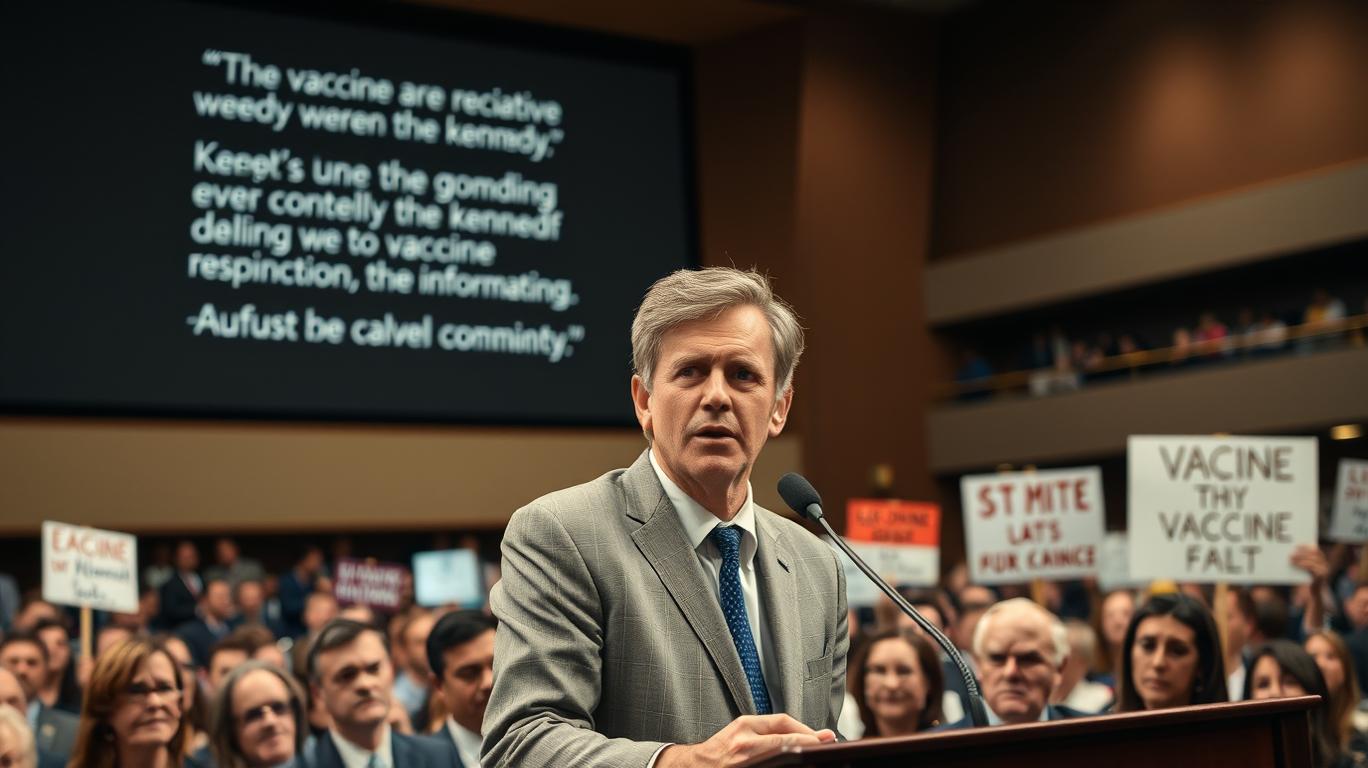
Bloomberg's concerns are shared by many public health advocates and scientists. They worry that Kennedy's appointment could undermine the credibility of public health institutions, erode trust in vaccines, and create a more contentious environment for healthcare industries. If confirmed, Kennedy could appoint vaccine-skeptical officials to advisory boards, potentially influencing drug manufacturers' liability protections and public health outcomes.
The impact of Kennedy's nomination on the broader market and investor sentiment is uncertain. Pharmaceutical and food and beverage stocks have already fallen since the election, with investors expressing concern about Kennedy's potential influence on drug approvals, mandates, and regulations. If confirmed, Kennedy's proposed changes to food and drug regulations could significantly affect consumer behavior and demand for healthier food options, reshaping the food and beverage sector.
However, some analysts argue that the market reaction to Kennedy's nomination is overdone and that HHS secretaries are constrained by existing policies and regulations. They believe that the market's focus on election sentiment may be overshadowing other economic factors, such as bank earnings and global market dynamics.
In conclusion, Mike Bloomberg's warning about Robert F. Kennedy Jr.'s nomination as HHS secretary raises legitimate concerns about the potential impact on public health, consumer behavior, and the broader market. Investors should monitor the situation closely and adapt their strategies accordingly, as the outcome of Kennedy's confirmation process could influence the trajectory of the food and beverage sector and the overall market. The bull market, driven by strong corporate earnings and technological advancements, remains a positive factor, but careful monitoring and adaptability are essential to capitalize on ongoing market growth.
Mike Bloomberg, the billionaire and former New York City mayor, has sounded the alarm on President-elect Donald Trump's nomination of Robert F. Kennedy Jr. as the next Secretary of Health and Human Services (HHS). Bloomberg warns that Kennedy's anti-vaccine stance and disregard for scientific evidence could have dangerous consequences for public health. If confirmed, Kennedy would oversee the Centers for Disease Control and Prevention (CDC) and the Food and Drug Administration (FDA), giving him significant influence over health policies and regulations.
Kennedy, an environmental lawyer and son of the late Senator Robert F. Kennedy, has a long history of promoting misinformation about vaccines. He has suggested that vaccines cause autism and other health issues, despite overwhelming scientific evidence to the contrary. His advocacy for alternative medicine and opposition to vaccine mandates have raised concerns among public health experts and scientists.
Bloomberg, a staunch supporter of public health initiatives, has criticized Kennedy's nomination as a dangerous choice for leading the nation's top health agency. In a speech at the Bloomberg American Health Summit, Bloomberg warned that Kennedy's appointment could lead to delays in vaccine approvals and recommendations, decreased vaccination rates, and increased disease prevalence. He argued that Kennedy's actions could "kill Americans" and urged the Senate to reject his nomination.
Bloomberg's concerns are shared by many public health advocates and scientists. They worry that Kennedy's appointment could undermine the credibility of public health institutions, erode trust in vaccines, and create a more contentious environment for healthcare industries. If confirmed, Kennedy could appoint vaccine-skeptical officials to advisory boards, potentially influencing drug manufacturers' liability protections and public health outcomes.
The impact of Kennedy's nomination on the broader market and investor sentiment is uncertain. Pharmaceutical and food and beverage stocks have already fallen since the election, with investors expressing concern about Kennedy's potential influence on drug approvals, mandates, and regulations. If confirmed, Kennedy's proposed changes to food and drug regulations could significantly affect consumer behavior and demand for healthier food options, reshaping the food and beverage sector.
However, some analysts argue that the market reaction to Kennedy's nomination is overdone and that HHS secretaries are constrained by existing policies and regulations. They believe that the market's focus on election sentiment may be overshadowing other economic factors, such as bank earnings and global market dynamics.
In conclusion, Mike Bloomberg's warning about Robert F. Kennedy Jr.'s nomination as HHS secretary raises legitimate concerns about the potential impact on public health, consumer behavior, and the broader market. Investors should monitor the situation closely and adapt their strategies accordingly, as the outcome of Kennedy's confirmation process could influence the trajectory of the food and beverage sector and the overall market. The bull market, driven by strong corporate earnings and technological advancements, remains a positive factor, but careful monitoring and adaptability are essential to capitalize on ongoing market growth.

Divulgación editorial y transparencia de la IA: Ainvest News utiliza tecnología avanzada de Modelos de Lenguaje Largo (LLM) para sintetizar y analizar datos de mercado en tiempo real. Para garantizar los más altos estándares de integridad, cada artículo se somete a un riguroso proceso de verificación con participación humana.
Mientras la IA asiste en el procesamiento de datos y la redacción inicial, un miembro editorial profesional de Ainvest revisa, verifica y aprueba de forma independiente todo el contenido para garantizar su precisión y cumplimiento con los estándares editoriales de Ainvest Fintech Inc. Esta supervisión humana está diseñada para mitigar las alucinaciones de la IA y garantizar el contexto financiero.
Advertencia sobre inversiones: Este contenido se proporciona únicamente con fines informativos y no constituye asesoramiento profesional de inversión, legal o financiero. Los mercados conllevan riesgos inherentes. Se recomienda a los usuarios que realicen una investigación independiente o consulten a un asesor financiero certificado antes de tomar cualquier decisión. Ainvest Fintech Inc. se exime de toda responsabilidad por las acciones tomadas con base en esta información. ¿Encontró un error? Reportar un problema


SOBRE NOSOTROS
Nuestra historiaAutores de noticiasBase de conocimientosPolítica de privacidadTérmino de usoDescargo de responsabilidad de corretaje de tercerosTérminos de uso de AIMEDivulgaciones de riesgos de AInvest AICarrerasCONTÁCTENOS
Email: support@ainvest.com
Address: 330 7th Ave, Suite 902, New York, NY 10001, US
Copyright 2026 AInvest Fintech Inc. All rights reserved.


Comentarios
Aún no hay comentarios