
BlockDAG: A 2025 High-Conviction Play with 2,660% ROI Potential
In the rapidly evolving 2025 crypto landscape, projects that combine technical innovation with real-world adoption are capturing investor attention. Among them, BlockDAG (BDAG) stands out as a high-conviction opportunity, leveraging a $383 million presale, a hybrid DAG+PoW architecture, and a rapidly scaling ecosystem to position itself as a top-tier early-stage investment. With a current presale price of $0.0276 and a projected listing price of $0.05, the project offers a compelling risk-reward profile, especially when compared to slower-moving peers like Remittix (RTX).
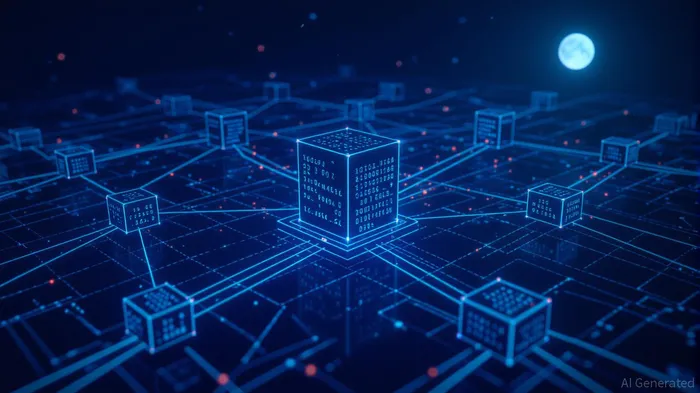
Scaling Infrastructure: A Technical Edge
BlockDAG's hybrid architecture merges Directed Acyclic Graph (DAG) with Proof-of-Work (PoW), enabling a throughput of 15,000 transactions per second (TPS)—a figure that rivals or exceeds many Layer-1 competitors. This design ensures scalability without compromising security, a critical differentiator in an era where networks like SolanaSOL-- face periodic congestion. The project's infrastructure is further validated by Halborn and CertiK audits, addressing common investor concerns about smart contract vulnerabilities.
Ecosystem Momentum: From Miners to Mainstream Adoption
BlockDAG's ecosystem is a testament to its execution-driven strategy. Over 2.5 million users are actively mining via the X1 mobile app, while 19,350+ ASIC miners have been sold, decentralizing the network and ensuring long-term security. Strategic partnerships with global sports franchises—such as Inter Milan, UFC, and Seattle Seawolves—have expanded BDAG's reach to a 2.5 billion-person audience, integrating blockchain into fan engagement through NFTs, voting rights, and exclusive content.
The project's tokenomics also prioritize sustainability: 70% of the 50 billion BDAG tokens are allocated to community incentives, miners, and ecosystem development. This includes 28 billion for miners, 5.25 billion for community building, and 1.75 billion for liquidity pools, ensuring real-world utility and long-term value retention.
Presale Execution: A $383M Vote of Confidence
BlockDAG's presale has raised $383 million across 29 batches, with the current Batch 29 price at $0.0276. Early investors in Batch 1 have already realized a 2,660% return, and analysts project a 30x upside if the token reaches $1 by 2027. This exponential ROI is underpinned by the project's 20+ confirmed exchange listings, including MEXC, BitMart, and LBank, with discussions underway for Coinbase and Gemini.
A Superior Play in a Competitive Market
While projects like Remittix (RTX) focus on niche markets (e.g., cross-border payments), BlockDAG's hybrid model offers broader scalability and institutional credibility. Remittix's $20.9 million presale, though promising, lacks the infrastructure and user base of BlockDAG. For instance, Remittix's beta wallet, while innovative, serves a specific use case, whereas BlockDAG's ecosystem includes 300+ dApps, 4,500 developers, and 200,000 token holders, creating a more diversified value proposition.
Investment Urgency: Enter at $0.0276
With only 35% of the $600 million hard cap remaining, the urgency to act is clear. The presale's structured pricing model—where each batch increases in price—means current buyers are securing tokens at a discount to future listings. Additionally, the project's mainnet launch within six months and exchange listings will likely drive demand, making now the optimal entry point.
Conclusion: A High-Conviction Bet for 2025
BlockDAG's combination of technical innovation, ecosystem growth, and presale execution positions it as a standout in the 2025 crypto cycle. For investors seeking a project with both scalable infrastructure and real-world utility, BDAG offers a rare opportunity to capitalize on a hybrid blockchain-DAG model with a proven track record. With a current presale price of $0.0276 and a projected 30x upside, the window to enter at this price point is narrowing—making this a high-conviction play for those aligned with the future of decentralized infrastructure.






Comentarios
Aún no hay comentarios