
Blockchain Infrastructure Resilience: Cybersecurity-Driven Value Creation in Crypto Data Platforms
In 2025, blockchain technology has emerged as a cornerstone of cybersecurity and infrastructure resilience, particularly in crypto data platforms. As cyber threats evolve in complexity and scale, blockchain's decentralized architecture, cryptographic security, and immutableIMX-- ledgers are proving indispensable for safeguarding digital assets and driving value creation. This analysis explores how blockchain is reshaping cybersecurity paradigms, supported by real-world case studies and market trends.
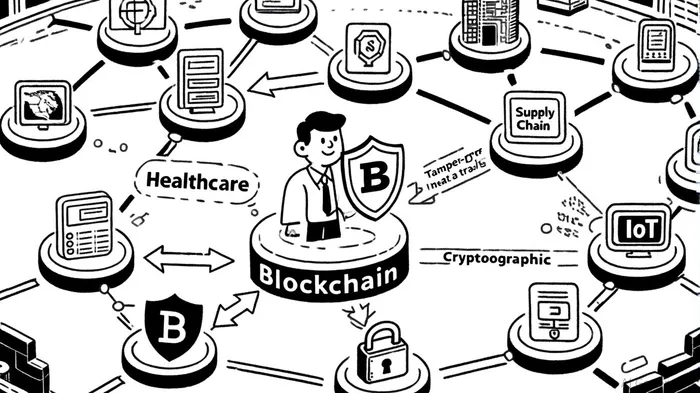
Blockchain as a Cybersecurity Catalyst
Blockchain's inherent properties-decentralization, immutability, and cryptographic validation-address critical vulnerabilities in traditional systems. For instance, Estonia's KSI blockchain technology, deployed since 2008, secures government data, including healthcare and judicial records, by creating tamper-resistant audit trails. This system has reduced data breach risks and saved approximately 800 years of manual auditing annually, according to Cybersecurity News. Similarly, Lockheed Martin's integration of blockchain into its supply chain risk management highlights its potential in high-stakes sectors like defense, where secure software development and real-time threat detection are paramount, as described in an MDPI article.
In healthcare, blockchain-based systems have achieved 99.9% uptime and a 40% reduction in data breach incidents by enabling HIPAA-compliant, decentralized patient data transactions, per a 2025 ACSMI analysis. These examples underscore blockchain's ability to transform cybersecurity from a reactive to a proactive discipline, ensuring data integrity and trust in decentralized ecosystems.
Value Creation Through Decentralized Infrastructure
Crypto data platforms are leveraging blockchain to create value by enhancing transparency, efficiency, and trust. For example, Trust Your Supplier, an open-source blockchain platform, reduced supplier onboarding time by 70% and cut verification costs by 50% by enabling third-party validation of supplier data, a Marketing Scoop case study. Hitachi's Hyperledger Fabric-based procurement system further illustrates this, streamlining contract management for 3,500 companies while minimizing fraud risks, per Aimultiple research.
In the energy sector, blockchain is optimizing grid management by coordinating distributed energy resources in real time. This has increased renewable energy integration by 20% and reduced peak load by 12%, demonstrating blockchain's role in enabling sustainable infrastructure, according to a GlobeNewswire market outlook. Meanwhile, platforms like Ford's cobalt traceability system (built on IBM's blockchain) ensure ethical sourcing, enhancing consumer trust and compliance in supply chains, as reported by Cybersecurity News.
Technical Advantages and Emerging Trends
Blockchain's technical strengths are being amplified by innovations like zero-knowledge proofs (ZKPs) and quantum-resistant cryptography. ZKPs, which allow data verification without exposing sensitive information, are gaining traction in privacy-preserving authentication, aligning with GDPR and HIPAA compliance requirements, notes AngelHack DevLabs. Quantum-resistant algorithms are also being integrated into blockchain protocols to future-proof against emerging threats, a critical step as quantum computing advances, says Analytics Insight.
AI-driven threat detection is another frontier. Smart contracts enhanced with machine learning capabilities now enable real-time fraud prevention and automated transaction security, reducing human error and response times, per AI Blog Forge. For instance, Javvy's blockchain-based wallet uses AI to detect fraudulent activity, while Cisco's IoT security initiatives leverage blockchain to create tamper-proof device identities, Cybersecurity News reports.
Challenges and Mitigation Strategies
Despite its promise, blockchain faces hurdles such as scalability, interoperability, and endpoint vulnerabilities. High computational costs and network latency remain challenges for widespread adoption, particularly in legacy system integrations, per a ResearchGate paper. To address this, hybrid governance models are emerging, balancing decentralization with centralized efficiency to optimize performance, as explored by Business Model Analyst.
Endpoint risks, such as weak wallet security and third-party compromises, persist. However, multi-party computation (MPC) wallets have surged to 89% adoption in 2025, with zero reported breaches in this cohort, reports the Blockchain Council. Regulatory frameworks like the EU's Digital Operational Resilience Act (DORA) are also compelling projects to adopt layered security measures, including formal smart contract verification and secure key management, a Cybernod blog post notes.
Market Projections and Investment Potential
The blockchain security market is projected to reach $6.2 billion by 2025, driven by demand for decentralized identity management, immutable audit trails, and AI-enhanced threat detection, per Veritis. Platforms like EthereumETH--, SolanaSOL--, and Hyperledger Fabric are leading the charge, with Ethereum's Proof-of-Stake transition improving energy efficiency and scalability, notes ChainScore.
Conclusion
Blockchain infrastructure is no longer a speculative asset but a foundational component of cybersecurity and value creation in crypto data platforms. By addressing vulnerabilities in centralized systems and enabling trustless collaboration, blockchain is redefining industries from healthcare to supply chain management. While challenges remain, the convergence of blockchain with AI, quantum-resistant cryptography, and regulatory frameworks positions it as a critical investment opportunity for 2025 and beyond.





Comentarios
Aún no hay comentarios