
Blockchain-Driven Disruption in the Travel Sector: Strategic Positioning and Investment Potential in Fintech Innovators Like American Express
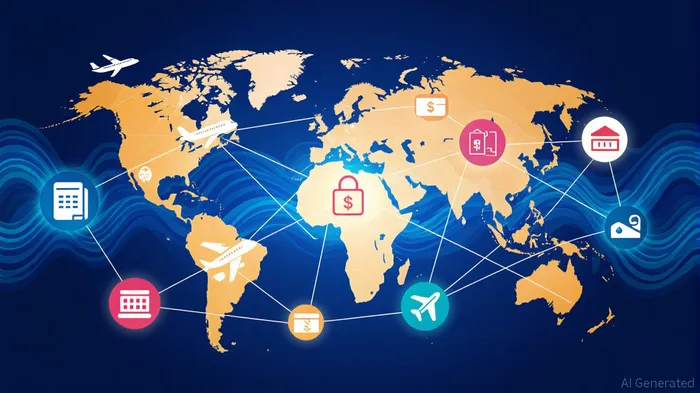
The travel sector, long plagued by fragmented systems, opaque pricing, and intermediated processes, is on the brink of a blockchain-powered renaissance. By 2025, the technology's ability to create immutable records, enable real-time data synchronization, and eliminate intermediaries is reshaping how we book trips, manage loyalty programs, and verify identities [1]. For investors, this disruption presents a golden opportunity to capitalize on fintech innovators like American ExpressAXP--, which are strategically positioning themselves at the intersection of blockchain and global finance.
Blockchain's Transformative Potential in Travel
Blockchain's core strengths—transparency, security, and decentralization—are particularly well-suited to the travel industry. Traditional booking systems rely on centralized databases, which are vulnerable to fraud and inefficiencies. Blockchain, however, allows for peer-to-peer transactions between travelers and service providers, cutting out middlemen and reducing costs [2]. For example, tokenized assets can streamline real-time settlements for hotel bookings or flight tickets, bypassing the delays inherent in legacy banking systems [3].
Stablecoins, blockchain-native versions of fiat currencies, further amplify this potential. They enable near-instant, low-cost cross-border payments—a critical feature for international travelers. In markets with limited banking access, stablecoins allow users to store and transact digital assets securely, democratizing travel finance [3]. This aligns with broader trends in financial inclusion, where blockchain bridges gaps in traditional infrastructure.
American Express: A Fintech Pioneer in Blockchain Innovation
While American Express has not yet announced travel-specific blockchain projects, its broader fintech initiatives signal a clear strategic alignment with the technology's disruptive potential. The company has invested heavily in blockchain-based solutions to streamline cross-border payments, reduce transaction costs, and enhance transparency [3]. These efforts mirror the needs of the travel sector, where seamless, secure, and fast transactions are paramount.
For instance, Amex's work in digitizing financial systems through blockchain mirrors the travel industry's push for decentralized identity verification. By leveraging blockchain's immutable ledger, AmexAXP-- could help travelers securely share verified credentials with airlines or hotels without exposing sensitive data to third parties [3]. This not only improves user experience but also mitigates risks like identity theft.
Strategic Positioning for Long-Term Growth
American Express's early adoption of blockchain positions it as a key player in the next phase of travel innovation. The company's focus on reducing friction in global payments—via blockchain-enabled solutions—directly addresses pain points in the travel sector. As blockchain adoption accelerates, Amex's infrastructure could become a backbone for decentralized travel platforms, offering a competitive edge over traditional intermediaries.
Moreover, the rise of asset tokenization opens new revenue streams. By enabling fractional ownership of travel assets (e.g., vacation homes or private jets), Amex could tap into a market where liquidity and accessibility are growing demands [3]. This aligns with the company's broader strategy to digitize financial systems, creating a flywheel effect between fintech and travel.
Investment Potential: Why Fintech Innovators Like Amex Matter
For investors, the convergence of blockchain and travel represents a high-conviction opportunity. Fintech firms that integrate blockchain into their core operations are poised to dominate a sector projected to grow significantly in the coming years. American Express, with its established brand and technical expertise, is uniquely positioned to lead this transition.
Consider the numbers: By 2025, the global blockchain market is expected to surpass $30 billion, with travel and hospitality accounting for a substantial share [1]. Amex's early investments in blockchain infrastructure could translate into market leadership, driving both revenue growth and shareholder value.
Conclusion
Blockchain is not just a buzzword—it's a foundational technology reshaping industries. In travel, it promises to eliminate intermediaries, enhance security, and democratize access to global services. Fintech innovators like American Express, with their strategic investments in blockchain, are well-positioned to capitalize on this shift. For investors, the message is clear: the future of travel finance is decentralized, and the winners will be those who build the infrastructure to support it.





Comentarios
Aún no hay comentarios