
Block's Bullish Run: Nvidia's Bearish Turn
Generado por agente de IATheodore Quinn
viernes, 4 de abril de 2025, 9:59 am ET2 min de lectura
HSBC--
In the ever-evolving landscape of Wall Street, analyst calls can often serve as a barometer for market sentiment. This week, two significant calls have captured the attention of investors: the upgrade of BlockXYZ-- by Morgan StanleyMS-- and the downgrade of NvidiaNVDA-- by HSBCHSBC--. These moves reflect broader trends in the tech and semiconductor sectors, offering valuable insights into where the market might be headed.
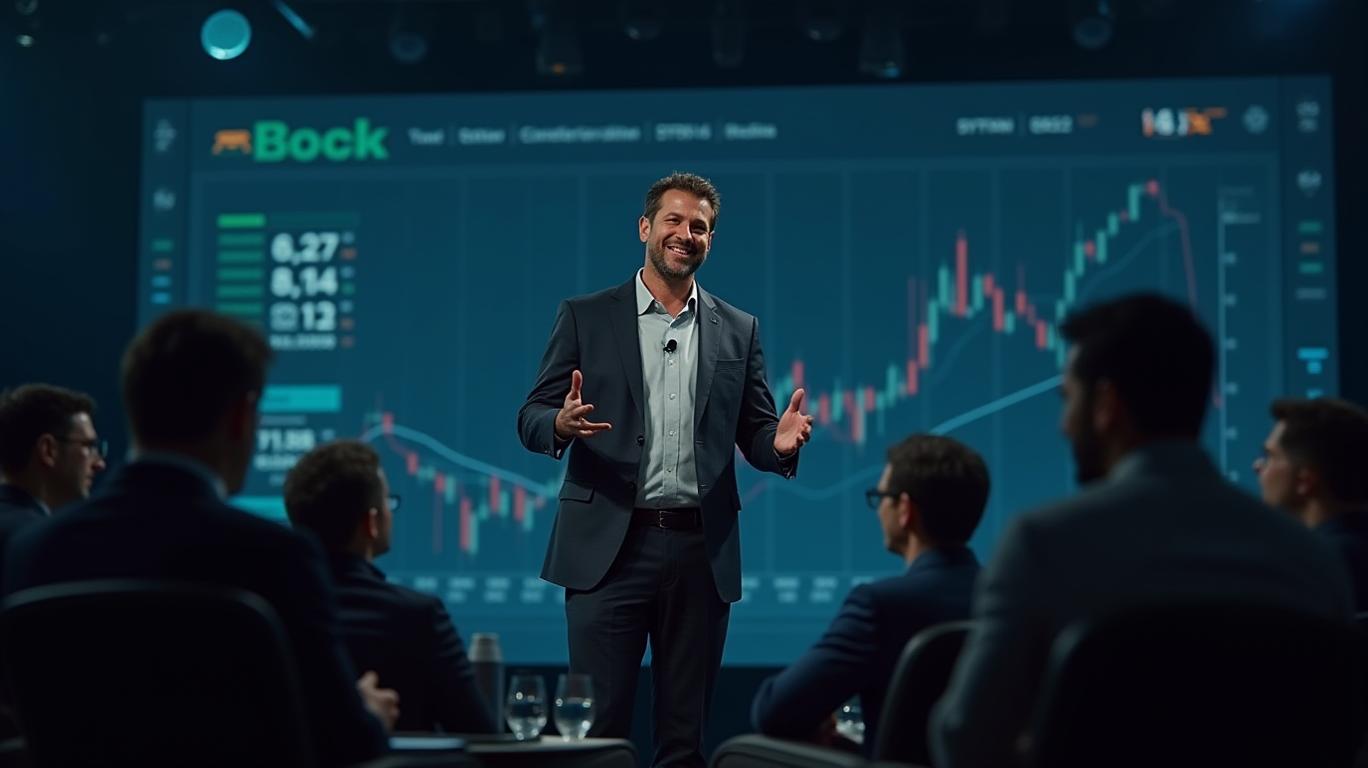
Block's Bullish Run
Morgan Stanley's decision to upgrade Block from Equal Weight to Overweight, with a price target of $67, is a clear vote of confidence in the company's future prospects. The firm cites a compelling valuation at current share levels and low expectations for reaccelerated Square Seller growth as key factors driving this upgrade. This aligns with Block's long-term growth strategy, which focuses on creating ecosystems for distinct customer audiences through its Square and Cash App segments.
The Square segment enables businesses to accept card payments and provides a suite of products and services to help sellers start, run, and grow their businesses. The Cash App segment, on the other hand, offers an ecosystem of financial products and services to help consumers manage their money. Additionally, Block's involvement in the bitcoin ecosystem, including its TIDAL platform and Spiral team, further supports its long-term growth prospects.
Nvidia's Bearish Turn
In contrast, HSBC's downgrade of Nvidia from Buy to Hold, with a price target reduction from $175 to $120, reflects a shift in market sentiment towards the semiconductor industry. HSBC's decision is based on the observation that Nvidia's share price has declined by 26% since its peak in January, indicating a loss of confidence in the company's near-term prospects. This sentiment is further supported by HSBC's view that Nvidia's GPU pricing power is limited, which caps its earnings upside potential until new opportunities in robotics, autos, and AI markets evolve.
The implications for other tech stocks are significant. The semiconductor industry is a critical component of the tech sector, and a downturn in this industry can have a ripple effect on other tech stocks. For instance, companies that rely heavily on semiconductors for their products, such as those in the AI and automotive sectors, may face challenges if the demand for semiconductors decreases. Additionally, the downgrade of Nvidia, a leading player in the semiconductor industry, could signal a broader market correction in the tech sector, as investors become more risk-averse and reduce their exposure to high-growth tech stocks.
Broader Market Implications
The contrasting calls on Block and Nvidia highlight the dichotomy in the tech sector. While Block's focus on financial services and bitcoin ecosystem positions it well for long-term growth, Nvidia's reliance on semiconductor demand makes it more vulnerable to market fluctuations. This dichotomy underscores the importance of diversification in a tech portfolio, as different segments of the sector can experience varying levels of growth and volatility.
For investors, the key takeaway is to stay informed and adaptable. The tech sector is dynamic, and what works today may not work tomorrow. By keeping a close eye on analyst calls and market trends, investors can position themselves to capitalize on opportunities and mitigate risks. Whether it's Block's bullish run or Nvidia's bearish turn, the market is always full of surprises—and opportunities.
MS--
NVDA--
In the ever-evolving landscape of Wall Street, analyst calls can often serve as a barometer for market sentiment. This week, two significant calls have captured the attention of investors: the upgrade of BlockXYZ-- by Morgan StanleyMS-- and the downgrade of NvidiaNVDA-- by HSBCHSBC--. These moves reflect broader trends in the tech and semiconductor sectors, offering valuable insights into where the market might be headed.
Block's Bullish Run
Morgan Stanley's decision to upgrade Block from Equal Weight to Overweight, with a price target of $67, is a clear vote of confidence in the company's future prospects. The firm cites a compelling valuation at current share levels and low expectations for reaccelerated Square Seller growth as key factors driving this upgrade. This aligns with Block's long-term growth strategy, which focuses on creating ecosystems for distinct customer audiences through its Square and Cash App segments.
The Square segment enables businesses to accept card payments and provides a suite of products and services to help sellers start, run, and grow their businesses. The Cash App segment, on the other hand, offers an ecosystem of financial products and services to help consumers manage their money. Additionally, Block's involvement in the bitcoin ecosystem, including its TIDAL platform and Spiral team, further supports its long-term growth prospects.
Nvidia's Bearish Turn
In contrast, HSBC's downgrade of Nvidia from Buy to Hold, with a price target reduction from $175 to $120, reflects a shift in market sentiment towards the semiconductor industry. HSBC's decision is based on the observation that Nvidia's share price has declined by 26% since its peak in January, indicating a loss of confidence in the company's near-term prospects. This sentiment is further supported by HSBC's view that Nvidia's GPU pricing power is limited, which caps its earnings upside potential until new opportunities in robotics, autos, and AI markets evolve.
The implications for other tech stocks are significant. The semiconductor industry is a critical component of the tech sector, and a downturn in this industry can have a ripple effect on other tech stocks. For instance, companies that rely heavily on semiconductors for their products, such as those in the AI and automotive sectors, may face challenges if the demand for semiconductors decreases. Additionally, the downgrade of Nvidia, a leading player in the semiconductor industry, could signal a broader market correction in the tech sector, as investors become more risk-averse and reduce their exposure to high-growth tech stocks.
Broader Market Implications
The contrasting calls on Block and Nvidia highlight the dichotomy in the tech sector. While Block's focus on financial services and bitcoin ecosystem positions it well for long-term growth, Nvidia's reliance on semiconductor demand makes it more vulnerable to market fluctuations. This dichotomy underscores the importance of diversification in a tech portfolio, as different segments of the sector can experience varying levels of growth and volatility.
For investors, the key takeaway is to stay informed and adaptable. The tech sector is dynamic, and what works today may not work tomorrow. By keeping a close eye on analyst calls and market trends, investors can position themselves to capitalize on opportunities and mitigate risks. Whether it's Block's bullish run or Nvidia's bearish turn, the market is always full of surprises—and opportunities.

Divulgación editorial y transparencia de la IA: Ainvest News utiliza tecnología avanzada de Modelos de Lenguaje Largo (LLM) para sintetizar y analizar datos de mercado en tiempo real. Para garantizar los más altos estándares de integridad, cada artículo se somete a un riguroso proceso de verificación con participación humana.
Mientras la IA asiste en el procesamiento de datos y la redacción inicial, un miembro editorial profesional de Ainvest revisa, verifica y aprueba de forma independiente todo el contenido para garantizar su precisión y cumplimiento con los estándares editoriales de Ainvest Fintech Inc. Esta supervisión humana está diseñada para mitigar las alucinaciones de la IA y garantizar el contexto financiero.
Advertencia sobre inversiones: Este contenido se proporciona únicamente con fines informativos y no constituye asesoramiento profesional de inversión, legal o financiero. Los mercados conllevan riesgos inherentes. Se recomienda a los usuarios que realicen una investigación independiente o consulten a un asesor financiero certificado antes de tomar cualquier decisión. Ainvest Fintech Inc. se exime de toda responsabilidad por las acciones tomadas con base en esta información. ¿Encontró un error? Reportar un problema




Comentarios
Aún no hay comentarios