
Blackstone's Spanish Rental Portfolio: A Cautionary Tale of Operational Risks and Brand Reputation
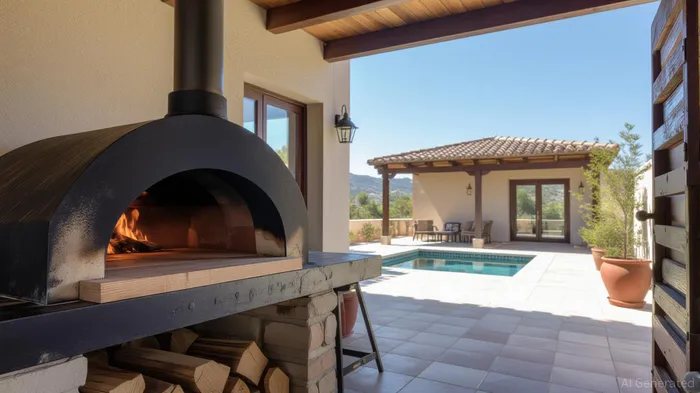
In the realm of investment analysis, few companies exemplify the interplay between product quality, customer service, and operational consistency as vividly as BlackstoneBX--. The firm's recent contemplation of divesting its $1.4 billion Spanish rental portfolio invites scrutiny through the lens of its historical struggles with consumer goods, particularly its pizza ovens. This analysis explores how recurring quality issues and customer service interventions in Blackstone's product lines may signal broader operational risks in its real estate ventures, raising critical questions for investors.
A Legacy of Product Quality Challenges
Blackstone's consumer goods division, notably its pizza ovens, has long grappled with structural and functional defects. Users have consistently reported bent tray shafts causing rotating platters to rub against oven bases, malfunctioning ignition systems, and compromised gas valves that risk safety hazards [1]. Early models faced such severe quality issues—cracked stones, misaligned components, and subpar materials—that they were reportedly removed from major retailers due to high return rates [2]. While newer iterations, like the Blackstone II, demonstrate improved build quality and customer service responsiveness (e.g., free replacements), these improvements have come at a higher price point and with lingering skepticism about durability [3].
Customer Service as a Mitigation Strategy
Blackstone's response to these product flaws has been a double-edged sword. On one hand, the company has earned praise for proactive customer service, offering free replacements or repairs without requiring returns [1]. On the other, the frequency of such interventions underscores systemic quality control gaps. For instance, users have described needing to manually adjust bent stems or modify components to ensure functionality [4]. This pattern of reactive fixes, while temporarily satisfying, raises concerns about long-term brand reputation and operational efficiency.
Operational Inconsistencies and Real Estate Parallels
The parallels between Blackstone's consumer goods history and its real estate operations are striking. In Spain, tenant complaints about property quality and maintenance issues mirror the product defects seen in pizza ovens. Forum discussions, though indirect, suggest recurring problems with structural integrity and safety risks—issues that could erode tenant satisfaction and inflate operational costs [5]. If Blackstone's approach to product quality reflects a broader operational philosophy, its rental portfolio may face similar challenges: high maintenance demands, inconsistent service delivery, and a reliance on reactive rather than preventive measures.
Strategic Implications of Divestiture
The potential divestiture of the Spanish portfolio must be evaluated against these operational risks. For investors, the decision to sell could signal either a strategic pivot away from markets with high maintenance burdens or an acknowledgment of systemic inefficiencies. Historical data on Blackstone's consumer goods indicates a pattern of addressing quality issues through incremental improvements rather than root-cause solutions. If applied to real estate, this approach might lead to cyclical costs and reputational damage, undermining long-term value.
Conclusion: Balancing Risk and Resilience
Blackstone's history with consumer goods offers a cautionary framework for assessing its real estate ventures. While the firm's customer service efforts have mitigated some reputational damage, the recurrence of quality issues suggests deeper operational inconsistencies. For the Spanish portfolio, these risks could translate into elevated maintenance costs, tenant turnover, and regulatory scrutiny. Investors must weigh whether divestiture is a prudent risk-mitigation strategy or a symptom of broader operational fragility. In either case, the lessons from Blackstone's product challenges underscore the importance of aligning operational practices with long-term strategic goals.





Comentarios
Aún no hay comentarios