
BlackRock's Silent $11.6T Pivot: Ditching ESG, Winning Back Republicans, and Raking in Billions
Generado por agente de IAHarrison Brooks
jueves, 20 de marzo de 2025, 3:21 pm ET2 min de lectura
LMUB--
In the high-stakes world of finance, BlackRockLMUB--, the world's largest asset manager, has quietly made a monumental shift. With $11.6 trillion in assets under management (AUM), the firm has transitioned from ESG (Environmental, Social, and Governance) investing to "transition investing." This pivot is not just a strategic move; it's a calculated maneuver to win back Republican support and rake in billions. Let's dive into the details and implications of this silent revolution.
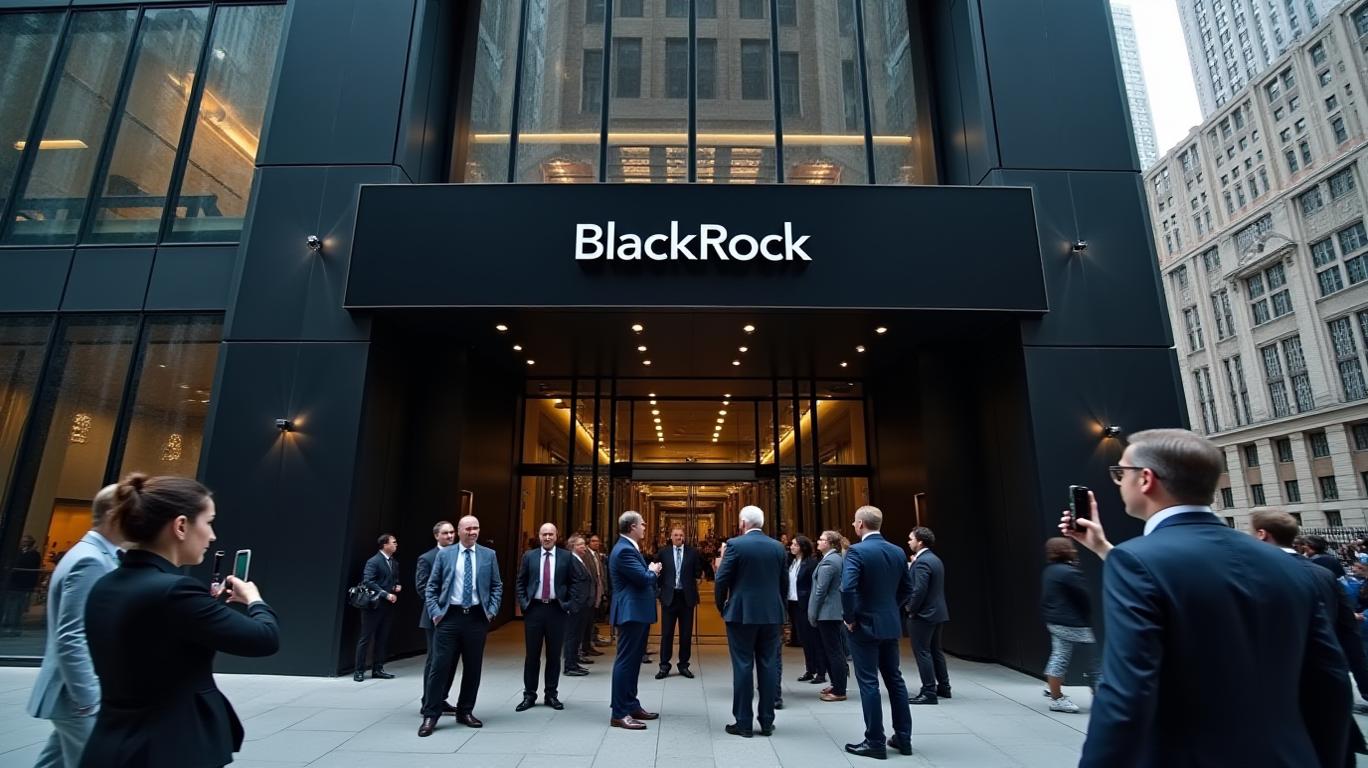
The Shift from ESG to Transition Investing
BlackRock's shift from ESG to transition investing is a strategic response to the growing criticism and political backlash it has faced. ESG investing, once hailed as the future of responsible investing, has come under fire for its broad scope and lack of measurable impact. BlackRock's new approach focuses on engaging with companies that are actively transitioning to a low-carbon economy, rather than just rewarding those with good ESG scores. This move is a nod to the growing understanding that financial institutionsFISI-- need to play a more active role in promoting sustainability and holding companies accountable.
Winning Back Republicans
The political landscape has been increasingly hostile towards ESG investing, with Republican lawmakers accusing BlackRock of pushing a social agenda rather than focusing on financial returns. Florida Governor Ron DeSantis, for instance, has been vocal about his anti-ESG stance, barring fund managers for state pension funds from incorporating ESG factors in the investment process and pulling $2 billion from BlackRock over its use of ESG factors. By refocusing on transition investing, BlackRock aims to mitigate this political backlash and present its investments in a way that emphasizes financial returns and the transition to a low-carbon economy.
Financial and Reputational Implications
BlackRock's pivot to transition investing has significant financial and reputational implications. On the financial side, this move may require BlackRock to invest in companies that are in the process of transitioning to sustainability, which may come with higher risks and lower returns in the short term. However, the long-term benefits of investing in a low-carbon economy could outweigh these risks. On the reputational side, BlackRock may face backlash from environmental groups and other stakeholders who view transition investing as a watered-down version of ESG investing. Despite these challenges, BlackRock's shift aligns with its broader strategic goals and market positioning, allowing it to address criticisms of its ESG practices and deliver for its clients.
The Regulatory Environment
The rebranding of ESG efforts to transition investing could also lead to a more favorable regulatory environment. Republican lawmakers have been increasingly scrutinizing ESG investing, with some states pulling public money from BlackRock's funds. By refocusing on transition investing, BlackRock may reduce the likelihood of further regulatory scrutiny or restrictions. The new guidelines by the European Securities and Markets Authority (ESMA) for the use of ESG and sustainability-related terms in investment fund names could be seen as a positive step towards clearer and more transparent investment strategies, which BlackRock is already aligning with.
The Future of BlackRock
BlackRock's shift from ESG to transition investing is a strategic move that aligns with its broader goals and market positioning. By focusing on proactive engagement with companies transitioning to sustainability, addressing criticisms of its ESG practices, and delivering for its clients, BlackRock aims to maintain its position as the world's largest asset manager and attract new clients who are interested in socially responsible investing. However, this pivot also comes with potential financial and reputational risks that BlackRock will need to navigate carefully.
In conclusion, BlackRock's silent $11.6 trillion pivot from ESG to transition investing is a strategic move that aims to win back Republican support and rake in billions. While this shift comes with its own set of challenges, it aligns with BlackRock's broader goals and market positioning, allowing it to address criticisms of its ESG practices and deliver for its clients. The future of BlackRock, and the broader financial industry, will be shaped by how well it navigates these challenges and continues to promote sustainability and responsible investing.
In the high-stakes world of finance, BlackRockLMUB--, the world's largest asset manager, has quietly made a monumental shift. With $11.6 trillion in assets under management (AUM), the firm has transitioned from ESG (Environmental, Social, and Governance) investing to "transition investing." This pivot is not just a strategic move; it's a calculated maneuver to win back Republican support and rake in billions. Let's dive into the details and implications of this silent revolution.
The Shift from ESG to Transition Investing
BlackRock's shift from ESG to transition investing is a strategic response to the growing criticism and political backlash it has faced. ESG investing, once hailed as the future of responsible investing, has come under fire for its broad scope and lack of measurable impact. BlackRock's new approach focuses on engaging with companies that are actively transitioning to a low-carbon economy, rather than just rewarding those with good ESG scores. This move is a nod to the growing understanding that financial institutionsFISI-- need to play a more active role in promoting sustainability and holding companies accountable.
Winning Back Republicans
The political landscape has been increasingly hostile towards ESG investing, with Republican lawmakers accusing BlackRock of pushing a social agenda rather than focusing on financial returns. Florida Governor Ron DeSantis, for instance, has been vocal about his anti-ESG stance, barring fund managers for state pension funds from incorporating ESG factors in the investment process and pulling $2 billion from BlackRock over its use of ESG factors. By refocusing on transition investing, BlackRock aims to mitigate this political backlash and present its investments in a way that emphasizes financial returns and the transition to a low-carbon economy.
Financial and Reputational Implications
BlackRock's pivot to transition investing has significant financial and reputational implications. On the financial side, this move may require BlackRock to invest in companies that are in the process of transitioning to sustainability, which may come with higher risks and lower returns in the short term. However, the long-term benefits of investing in a low-carbon economy could outweigh these risks. On the reputational side, BlackRock may face backlash from environmental groups and other stakeholders who view transition investing as a watered-down version of ESG investing. Despite these challenges, BlackRock's shift aligns with its broader strategic goals and market positioning, allowing it to address criticisms of its ESG practices and deliver for its clients.
The Regulatory Environment
The rebranding of ESG efforts to transition investing could also lead to a more favorable regulatory environment. Republican lawmakers have been increasingly scrutinizing ESG investing, with some states pulling public money from BlackRock's funds. By refocusing on transition investing, BlackRock may reduce the likelihood of further regulatory scrutiny or restrictions. The new guidelines by the European Securities and Markets Authority (ESMA) for the use of ESG and sustainability-related terms in investment fund names could be seen as a positive step towards clearer and more transparent investment strategies, which BlackRock is already aligning with.
The Future of BlackRock
BlackRock's shift from ESG to transition investing is a strategic move that aligns with its broader goals and market positioning. By focusing on proactive engagement with companies transitioning to sustainability, addressing criticisms of its ESG practices, and delivering for its clients, BlackRock aims to maintain its position as the world's largest asset manager and attract new clients who are interested in socially responsible investing. However, this pivot also comes with potential financial and reputational risks that BlackRock will need to navigate carefully.
In conclusion, BlackRock's silent $11.6 trillion pivot from ESG to transition investing is a strategic move that aims to win back Republican support and rake in billions. While this shift comes with its own set of challenges, it aligns with BlackRock's broader goals and market positioning, allowing it to address criticisms of its ESG practices and deliver for its clients. The future of BlackRock, and the broader financial industry, will be shaped by how well it navigates these challenges and continues to promote sustainability and responsible investing.

Divulgación editorial y transparencia de la IA: Ainvest News utiliza tecnología avanzada de Modelos de Lenguaje Largo (LLM) para sintetizar y analizar datos de mercado en tiempo real. Para garantizar los más altos estándares de integridad, cada artículo se somete a un riguroso proceso de verificación con participación humana.
Mientras la IA asiste en el procesamiento de datos y la redacción inicial, un miembro editorial profesional de Ainvest revisa, verifica y aprueba de forma independiente todo el contenido para garantizar su precisión y cumplimiento con los estándares editoriales de Ainvest Fintech Inc. Esta supervisión humana está diseñada para mitigar las alucinaciones de la IA y garantizar el contexto financiero.
Advertencia sobre inversiones: Este contenido se proporciona únicamente con fines informativos y no constituye asesoramiento profesional de inversión, legal o financiero. Los mercados conllevan riesgos inherentes. Se recomienda a los usuarios que realicen una investigación independiente o consulten a un asesor financiero certificado antes de tomar cualquier decisión. Ainvest Fintech Inc. se exime de toda responsabilidad por las acciones tomadas con base en esta información. ¿Encontró un error? Reportar un problema


SOBRE NOSOTROS
Nuestra historiaAutores de noticiasBase de conocimientosPolítica de privacidadTérmino de usoDescargo de responsabilidad de corretaje de tercerosTérminos de uso de AIMEDivulgaciones de riesgos de AInvest AICarrerasCONTÁCTENOS
Email: support@ainvest.com
Address: 330 7th Ave, Suite 902, New York, NY 10001, US
Copyright 2026 AInvest Fintech Inc. All rights reserved.


Comentarios
Aún no hay comentarios