
BlackRock's Saudi Aramco Stake: A Crossroads for Energy Infrastructure Strategy
The potential sale of BlackRock's 49% stake in Saudi Aramco's gas pipelines marks a pivotal moment for energy infrastructure investors. Amid fluctuating oil prices, rising corporate debt, and regional consolidation trends, this move underscores a broader re-evaluation of strategic priorities in the Middle East's energy sector. For investors, the decision could signal both risks and opportunities in a landscape where traditional fossil fuel assets face scrutiny while renewable infrastructure gains traction.
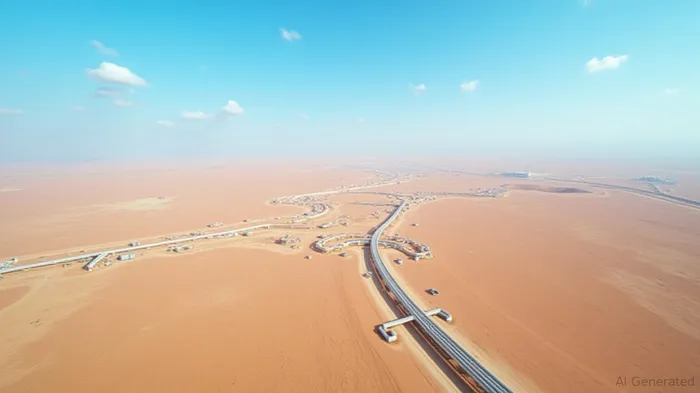
Strategic Shift: From Divestment to Reconsolidation
The original 2021 deal, where BlackRock-led consortium paid $15.5 billion for a 20-year lease on Aramco's gas pipelines, was part of a broader strategy to monetize non-core assets. Aramco sought to reduce debt and fund growth, while investors like BlackRockBLK-- targeted stable, long-duration infrastructure cash flows. Fast-forward to 2025, and the tables have turned: Aramco now appears eager to reclaim control of its pipelines. This reversal reflects two critical dynamics:
- Rising Debt Pressures: Aramco's debt has surged to its highest in nearly three years, driven by capital-intensive projects and OPEC+ supply policy volatility. Reclaiming strategic assets could free up liquidity or reduce reliance on external financing.
- Regional Sovereign Consolidation: Neighboring Abu Dhabi's Lunate firm recently repurchased stakes in ADNOC's pipelines from BlackRock and KKR—a trend suggesting sovereign-backed entities are prioritizing control over critical energy infrastructure.
The implications are clear: institutional investors like BlackRock may face a wave of similar requests to exit infrastructure leases as regional players pivot toward self-sufficiency.
Oil's volatility—driven by geopolitical shifts and supply management—adds uncertainty to the long-term value of fossil fuel infrastructure.
Debt, Oil Prices, and the Fragility of Traditional Infrastructure
Aramco's rising debt and declining oil prices (now hovering near $70/bbl, down from 2022 peaks) amplify the urgency to restructure assets. For BlackRock, the calculus is equally complex:
- ESG Tensions: Gas pipelines, while framed as “transitional fuels,” remain fossil fuel assets. BlackRock's 2023 ESG report emphasized aligning investments with net-zero goals, yet it has defended gas infrastructure as a bridge to renewables.
- Financial Performance: The pipeline stake's $13.4 billion bridge loan was refinanced in 2025 via a $3 billion bond issuance, extending debt maturities. However, if oil prices remain depressed, Aramco's ability to honor lease payments could weaken.
Investors must weigh stable, albeit fossil-fuel-linked, returns against the risk of stranded assets as global energy transitions accelerate.
Regional Consolidation: A New Playbook for Infrastructure Ownership
The Abu Dhabi precedent—where Lunate repurchased stakes from global firms—hints at a broader Middle Eastern strategy. Sovereign wealth funds are increasingly prioritizing control over critical energy assets to:
1. Secure National Energy Security: Pipelines are vital for both export and domestic distribution.
2. Reduce External Leverage: By repurchasing stakes, states avoid reliance on foreign capital during economic downturns.
For global investors, this signals a narrowing window to profit from Middle Eastern infrastructure. The BlackRock-Aramco talks may foreshadow a wave of similar exits, pushing capital toward newer opportunities.
Investment Implications: Where to Reallocate?
The potential sale presents three strategic pathways for investors:
- Shift to Renewable Infrastructure: The Middle East's renewable energy boom—Saudi Arabia's Vision 2030 targets 50% renewable energy by 2030—offers lower ESG risk and alignment with global decarbonization trends.
- Focus on Diversified Energy Plays: Companies like NextEra EnergyNEE-- (NEE) or Brookfield RenewableBEP-- (BEPC), which blend traditional and green assets, may offer stability.
- Leverage Debt-Financed Opportunities: Infrastructure firms with strong balance sheets, such as Macquarie Infrastructure Corporation (MIC), could capitalize on regional consolidation by acquiring undervalued assets.
BlackRock's stock has underperformed the S&P 500 in 2024, reflecting broader market skepticism about its fossil fuel exposures.
Conclusion: Navigating the Crossroads
BlackRock's potential exit from Aramco's pipelines is more than a single transaction—it's a microcosm of the energy sector's evolution. Investors must assess whether traditional infrastructure stakes, despite stable cash flows, are worth the ESG and geopolitical risks.
Recommendation:
- Reduce exposure to fossil fuel-dependent infrastructure in the Middle East, as sovereign consolidation and ESG pressures intensify.
- Reallocate capital to renewable energy projects in the region, such as solar farms or green hydrogen initiatives.
- Monitor BLK's portfolio shifts: If BlackRock pivots toward renewables, its stock could rebound—but only if it convincingly aligns with evolving investor preferences.
The energy infrastructure landscape is at a crossroads. For investors, the path forward demands a balance of pragmatism and foresight.
Renewables now attract over $1 trillion annually, dwarfing fossil fuel infrastructure investment—a trend that will define the next decade.





Comentarios
Aún no hay comentarios