
BlackRock CEO Larry Fink: U.S. Economy Already in Recession
Generado por agente de IATheodore Quinn
jueves, 10 de abril de 2025, 12:46 am ET2 min de lectura
GIND--
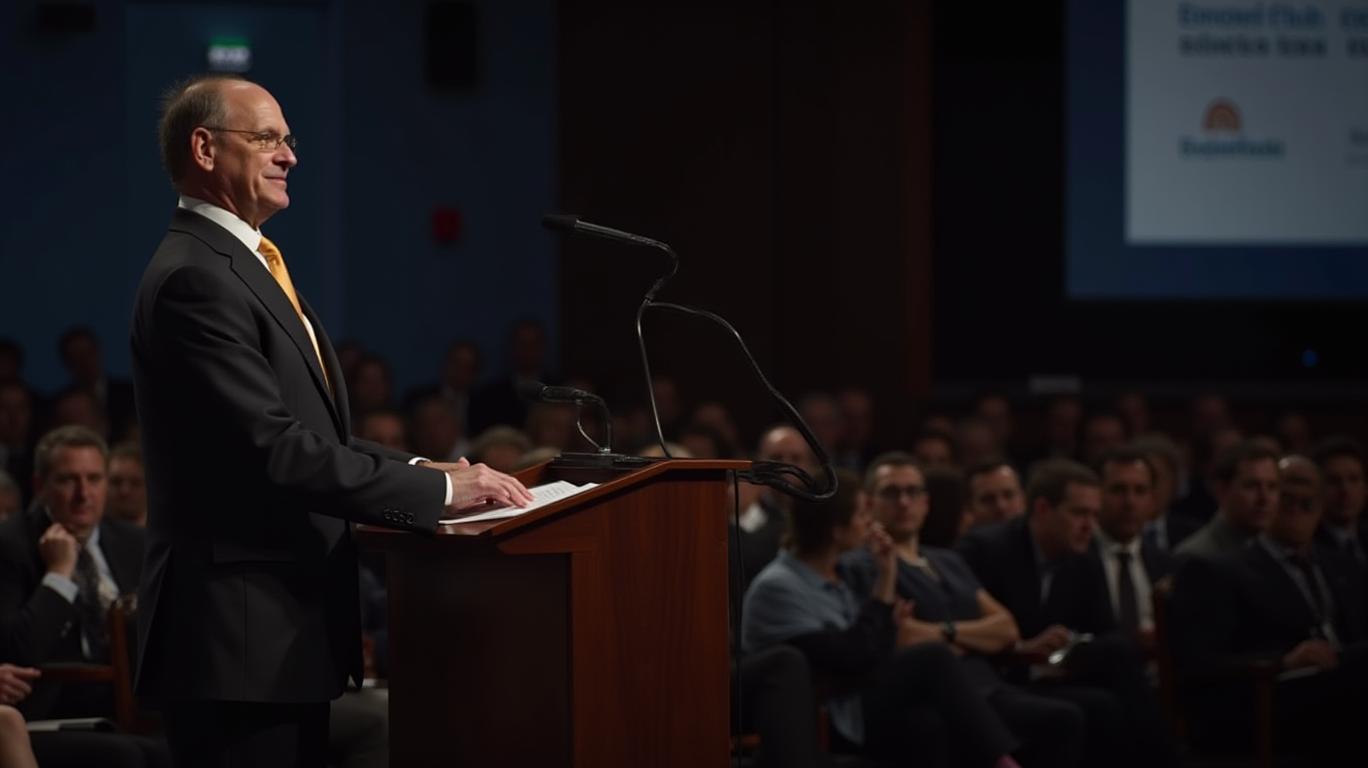
Larry Fink, the CEO of BlackRockWSML--, the world's largest asset manager, has sounded the alarm on the U.S. economy, stating that many business leaders believe the country is already in a recession. Speaking at an event for the Economic Club of New York on April 7, 2025, Fink's comments come at a time when the Trump administration's tariff policies have sent markets into a tailspin, with the Nasdaq plunging into bear market territory for the first time in over two years.
Fink's assessment aligns with the broader consensus among financial experts, who are increasingly concerned about the potential for a recession. Goldman SachsGIND-- economists have raised the odds of a near-term recession from 35% to 45%, while JPMorganJPEM-- puts the odds at 60%. The recent market volatility, inflationary pressures, and economic weakening are all indicators that the economy is under significant strain.
One of the key factors driving this concern is the Trump administration's tariff policies, which have been a focal point of the president's campaign. The tariffs, announced on April 2, 2025, have sent shockwaves through the markets, with investors worried about the potential for an all-out trade war. This could not only drive the cost of goods upward but also lead to widespread unemployment, prompting consumers to conserve funds and spend less. Such a broad decline in spending could push the economy into recession territory.
Fink also highlighted the impact of tariffs on inflation, stating that they could potentially drive inflation levels upward, making it difficult for the Federal Reserve to cut interest rates as it commonly does during a recession. "This notion that the Federal Reserve is going to ease four times this year, I see zero chance of that. I’m much more worried that we could have elevated inflation that’s going to bring rates up much higher than they are today," Fink said.
The Federal Reserve is committed to reaching its 2% inflation target, but the most recent Consumer Price Index (CPI) measured annual inflation at 2.8%. If tariffs drive consumer prices up even more, the Fed will be less likely to offer consumers relief in the form of lower interest rates. On the other hand, there's now more pressure on the Fed to lower rates to offset the impact of a slowing economy because of tariffs. An uptick in unemployment could push the Fed toward rate cuts. However, by the time that happens, much of the economic damage will already have been done.
Fink's comments underscore the growing alarm among top executives after Trump’s sweeping announcement of new tariffs last week triggered panic across global markets, sending the S&P 500 down 10% in just two trading sessions. The magnitude of the market reaction reflects widespread investor anxiety and confusion over the future direction of U.S. trade policy.
Despite the turmoil in the market, Fink said that weakness does create a buying opportunity over the long run despite the potential for further declines. "I would say in the long run, this is more of a buying opportunity than it is a selling opportunity. That doesn't mean we can't fall another 20% from here, too," Fink said.
Fink's warnings come as the U.S. economy faces a multitude of challenges, including a slowing housing market, rising unemployment, and a potential trade war. The combination of these factors could push the economy into a recession, with widespread implications for consumers, businesses, and investors alike.
In conclusion, Larry Fink's assessment of the current economic situation is a stark reminder of the challenges facing the U.S. economy. While the tariff policies may have been a campaign promise, their implementation has sent shockwaves through the markets and raised concerns about the potential for a recession. As the economy continues to face headwinds, investors will need to remain vigilant and adapt to the changing landscape.
JPEM--
WSML--
Larry Fink, the CEO of BlackRockWSML--, the world's largest asset manager, has sounded the alarm on the U.S. economy, stating that many business leaders believe the country is already in a recession. Speaking at an event for the Economic Club of New York on April 7, 2025, Fink's comments come at a time when the Trump administration's tariff policies have sent markets into a tailspin, with the Nasdaq plunging into bear market territory for the first time in over two years.
Fink's assessment aligns with the broader consensus among financial experts, who are increasingly concerned about the potential for a recession. Goldman SachsGIND-- economists have raised the odds of a near-term recession from 35% to 45%, while JPMorganJPEM-- puts the odds at 60%. The recent market volatility, inflationary pressures, and economic weakening are all indicators that the economy is under significant strain.
One of the key factors driving this concern is the Trump administration's tariff policies, which have been a focal point of the president's campaign. The tariffs, announced on April 2, 2025, have sent shockwaves through the markets, with investors worried about the potential for an all-out trade war. This could not only drive the cost of goods upward but also lead to widespread unemployment, prompting consumers to conserve funds and spend less. Such a broad decline in spending could push the economy into recession territory.
Fink also highlighted the impact of tariffs on inflation, stating that they could potentially drive inflation levels upward, making it difficult for the Federal Reserve to cut interest rates as it commonly does during a recession. "This notion that the Federal Reserve is going to ease four times this year, I see zero chance of that. I’m much more worried that we could have elevated inflation that’s going to bring rates up much higher than they are today," Fink said.
The Federal Reserve is committed to reaching its 2% inflation target, but the most recent Consumer Price Index (CPI) measured annual inflation at 2.8%. If tariffs drive consumer prices up even more, the Fed will be less likely to offer consumers relief in the form of lower interest rates. On the other hand, there's now more pressure on the Fed to lower rates to offset the impact of a slowing economy because of tariffs. An uptick in unemployment could push the Fed toward rate cuts. However, by the time that happens, much of the economic damage will already have been done.
Fink's comments underscore the growing alarm among top executives after Trump’s sweeping announcement of new tariffs last week triggered panic across global markets, sending the S&P 500 down 10% in just two trading sessions. The magnitude of the market reaction reflects widespread investor anxiety and confusion over the future direction of U.S. trade policy.
Despite the turmoil in the market, Fink said that weakness does create a buying opportunity over the long run despite the potential for further declines. "I would say in the long run, this is more of a buying opportunity than it is a selling opportunity. That doesn't mean we can't fall another 20% from here, too," Fink said.
Fink's warnings come as the U.S. economy faces a multitude of challenges, including a slowing housing market, rising unemployment, and a potential trade war. The combination of these factors could push the economy into a recession, with widespread implications for consumers, businesses, and investors alike.
In conclusion, Larry Fink's assessment of the current economic situation is a stark reminder of the challenges facing the U.S. economy. While the tariff policies may have been a campaign promise, their implementation has sent shockwaves through the markets and raised concerns about the potential for a recession. As the economy continues to face headwinds, investors will need to remain vigilant and adapt to the changing landscape.

Divulgación editorial y transparencia de la IA: Ainvest News utiliza tecnología avanzada de Modelos de Lenguaje Largo (LLM) para sintetizar y analizar datos de mercado en tiempo real. Para garantizar los más altos estándares de integridad, cada artículo se somete a un riguroso proceso de verificación con participación humana.
Mientras la IA asiste en el procesamiento de datos y la redacción inicial, un miembro editorial profesional de Ainvest revisa, verifica y aprueba de forma independiente todo el contenido para garantizar su precisión y cumplimiento con los estándares editoriales de Ainvest Fintech Inc. Esta supervisión humana está diseñada para mitigar las alucinaciones de la IA y garantizar el contexto financiero.
Advertencia sobre inversiones: Este contenido se proporciona únicamente con fines informativos y no constituye asesoramiento profesional de inversión, legal o financiero. Los mercados conllevan riesgos inherentes. Se recomienda a los usuarios que realicen una investigación independiente o consulten a un asesor financiero certificado antes de tomar cualquier decisión. Ainvest Fintech Inc. se exime de toda responsabilidad por las acciones tomadas con base en esta información. ¿Encontró un error? Reportar un problema


SOBRE NOSOTROS
Nuestra historiaAutores de noticiasBase de conocimientosPolítica de privacidadTérmino de usoDescargo de responsabilidad de corretaje de tercerosTérminos de uso de AIMEDivulgaciones de riesgos de AInvest AICarrerasCONTÁCTENOS
Email: support@ainvest.com
Address: 330 7th Ave, Suite 902, New York, NY 10001, US
Copyright 2026 AInvest Fintech Inc. All rights reserved.


Comentarios
Aún no hay comentarios